April 14, 2026

Month: July 2025

Unveiling the world of top branding agencies, this comprehensive guide provides a deep dive into their strategies, services, and overall impact on businesses. From understanding their core functions to evaluating their capabilities, we’ll explore the critical factors that distinguish exceptional branding agencies.

Navigating the complexities of the branding agency landscape can be challenging. This guide demystifies the process, offering practical insights and actionable strategies for identifying, evaluating, and leveraging the expertise of top branding agencies.

Introduction to Branding Agencies

A branding agency is a specialized firm dedicated to developing and managing a company’s brand identity. They act as strategic partners, helping businesses establish a strong, recognizable presence in the market. This involves much more than just a logo; it encompasses a holistic approach to crafting a unique brand experience.Branding agencies play a crucial role in today’s competitive landscape.

They provide businesses with the expertise and resources to effectively communicate their brand message, fostering brand loyalty and driving business growth. This strategic approach goes beyond superficial aesthetics, aiming to create a deeper connection with consumers.

Core Functions and Services

Branding agencies offer a wide range of services that contribute to a company’s overall brand strategy. These services extend beyond mere design and encompass critical aspects of building a strong brand.

  • Brand Strategy Development: Agencies help define a company’s brand values, target audience, and unique selling proposition (USP). This forms the foundation for all subsequent brand initiatives.
  • Brand Identity Design: This involves creating the visual elements that represent the brand, including logos, color palettes, typography, and imagery. This ensures consistency across all platforms.
  • Brand Messaging & Communication: Agencies craft compelling narratives and messaging that resonate with the target audience. This encompasses all communication channels, including website copy, social media posts, and marketing materials.
  • Market Research & Analysis: Understanding the market landscape is critical. Agencies conduct thorough research to identify competitive advantages, consumer trends, and emerging opportunities.
  • Brand Management & Monitoring: Agencies help maintain brand consistency and adapt to evolving market conditions. This includes ongoing monitoring of brand perception and reputation.

Value Proposition to Businesses

A branding agency brings significant value to businesses by providing specialized expertise and resources.

  • Strategic Advantage: Agencies bring a fresh perspective and market insights to help businesses achieve strategic goals. This can involve innovative solutions for growth and competitive positioning.
  • Cost-Effectiveness: While there are costs associated with hiring a branding agency, it often proves more cost-effective in the long run. This is due to the expertise and efficiency they bring to projects.
  • Reduced Time to Market: Agencies can accelerate the process of developing and implementing brand strategies. This translates to a quicker time to market for new products or services.
  • Improved Brand Recognition: A strong brand identity leads to improved brand recognition and customer loyalty, ultimately boosting sales and profitability.

Types of Branding Agencies

Branding agencies come in various forms, catering to different business needs.

Agency Type Focus Typical Services
Full-Service Broad range Branding, design, marketing, PR, and potentially digital marketing, web development, social media management, etc.
Specialized Specific area Focus on specific areas like graphic design, social media marketing, or brand consulting.

Full-service agencies provide comprehensive support, while specialized agencies focus on a particular area, often offering deeper expertise in that niche. The choice depends on the specific needs and resources of the business.

Identifying Top Branding Agencies

Choosing the right branding agency is crucial for a company’s success. A top-tier agency possesses a blend of creative talent, strategic thinking, and proven track record. This selection process requires careful evaluation and consideration of various factors beyond a simple glance at a portfolio.Evaluating a branding agency goes beyond aesthetics. A truly effective agency understands the nuances of the client’s market, competitors, and target audience.

This understanding fuels innovative strategies that resonate with the desired demographic and establish a lasting brand presence.

Criteria for Identifying Top Branding Agencies

Several key criteria define a top branding agency. These extend beyond just impressive portfolios. Experience, expertise, and proven results are vital.

  • Industry Expertise: A strong understanding of the client’s industry is paramount. Agencies with a deep understanding of the sector’s trends, challenges, and competitive landscape are better equipped to craft effective branding strategies. This is crucial for a nuanced and relevant brand identity.
  • Creative Prowess: A top-tier agency showcases a track record of generating innovative and compelling creative concepts. This includes visual design, messaging, and overall brand storytelling. This translates to a distinct brand personality and a unique voice in the market.
  • Strategic Acumen: The agency should possess a solid understanding of strategic branding principles. They should develop and execute branding strategies aligned with the client’s business objectives and market position. This involves a strong understanding of marketing, sales, and business development.
  • Client Testimonials and Reviews: Testimonials and reviews provide valuable insights into an agency’s performance and client satisfaction. Positive feedback from previous clients can offer a glimpse into the agency’s approach and effectiveness.

Factors to Consider When Evaluating a Branding Agency

Beyond the general criteria, specific factors further refine the selection process.

  • Portfolio Analysis: A robust portfolio showcasing successful projects is a significant indicator of the agency’s capabilities. Reviewing case studies and client work provides insights into the agency’s creative process, design approach, and strategic execution. Analyzing projects with diverse industries and challenges helps evaluate adaptability.
  • Awards and Recognition: Industry awards and recognition can serve as a testament to an agency’s quality and creativity. These awards reflect the agency’s standing within the industry and highlight their ability to deliver exceptional work. However, awards should be viewed as a supplementary metric, not the sole determining factor.
  • Client Case Studies: In-depth case studies offer a more detailed perspective on the agency’s work. These documents usually elaborate on the challenges, strategies, and results achieved in previous projects. This deep dive into specific projects provides invaluable insights into the agency’s problem-solving skills and creative solutions.

Comparing Metrics for Agency Success

Evaluating agency success involves examining various metrics.

  • Client Testimonials vs. Awards: While both client testimonials and awards are valuable indicators, they represent different aspects of agency success. Client testimonials often reflect the agency’s ability to meet client needs and deliver on promises. Awards, on the other hand, highlight recognition within the industry for creative excellence.
  • Importance of Client Case Studies: Client case studies are invaluable because they provide a more comprehensive picture of the agency’s work. They illustrate how the agency addressed specific challenges and achieved measurable results for previous clients. Case studies allow a deeper understanding of the agency’s strategic thinking and creative problem-solving abilities.

Examples of Top Branding Agencies

The following table provides examples of recognized top branding agencies and their specializations.

Agency Name Specialization Key Clients
Agency A Luxury Goods High-end brands like Chanel, Dior
Agency B Tech Startups Emerging tech companies like Google, Apple
Agency C Financial Services Banks, investment firms

Understanding Agency Strengths and Weaknesses

Choosing the right branding agency is crucial for any business’s success. Understanding the strengths and weaknesses of potential partners is vital for a successful collaboration. This section delves into the key characteristics that define a top branding agency, highlighting their potential strengths, common weaknesses, and strategies for mitigating them.A successful branding agency needs to effectively understand the client’s business, target audience, and competitive landscape.

This involves more than just creating visually appealing logos and taglines; it’s about crafting a comprehensive brand strategy that resonates with the intended market and drives tangible results.

Potential Strengths of a Top Branding Agency

Top branding agencies possess a range of strengths that contribute to their effectiveness. These include in-depth market research capabilities, a deep understanding of consumer behavior, and a proven track record of delivering successful brand strategies. A strong portfolio showcasing successful campaigns across various industries further validates their capabilities.

  • Exceptional Research & Insights: Leading agencies employ robust methodologies to understand target audiences, competitors, and market trends. This deep dive into consumer psychology and market dynamics allows them to craft brand strategies that resonate authentically.
  • Strategic Thinking & Planning: Top-tier agencies excel at developing comprehensive brand strategies, encompassing all aspects from brand positioning to messaging and execution. They approach projects with a long-term vision, focusing on sustained brand growth.
  • Creative & Innovative Solutions: These agencies foster a culture of creativity and innovation, consistently producing unique and compelling brand identities that stand out in a crowded marketplace. They often have a diverse team with various skill sets to ensure a holistic approach.
  • Strong Execution & Management: Successful agencies demonstrate strong project management skills, ensuring timely delivery of high-quality work. Their ability to efficiently manage resources and timelines is essential for achieving desired outcomes.

Common Weaknesses of Branding Agencies

While top branding agencies possess significant strengths, certain weaknesses can emerge. These weaknesses often stem from the inherent complexity of branding projects, demanding significant resources and time.

  • Over-reliance on Trends: Some agencies might prioritize fleeting trends over a deep understanding of their client’s long-term brand vision. This short-sightedness can lead to brand identities that feel superficial and inauthentic.
  • Lack of Transparency & Communication: Misunderstandings and communication gaps can hinder the agency-client relationship. Effective communication, clarity, and a transparent process are vital for project success.
  • Inflexibility & Resistance to Change: Some agencies may be inflexible in their approach, resisting adjustments needed to adapt to market changes or client feedback. This rigidity can impede the evolution of a brand strategy.
  • Project Management Challenges: Large-scale projects, involving multiple stakeholders and tight deadlines, can pose significant project management challenges. Delays or missed deadlines can negatively impact the brand’s development and overall marketing strategy.

Mitigating Weaknesses in Top Branding Agencies

Agencies can mitigate these weaknesses by adopting proactive strategies. This involves prioritizing long-term brand strategy, fostering open communication, embracing flexibility, and establishing robust project management systems.

  • Prioritize Client Collaboration: Establishing clear communication channels and actively soliciting client feedback is crucial. This iterative process ensures the brand aligns with the client’s long-term vision and evolves organically.
  • Foster Adaptability: Adaptability to changing market conditions is key. Agencies should remain flexible and adjust their strategies to remain competitive and relevant.
  • Implement Robust Project Management Systems: Utilizing project management tools and clear communication protocols allows agencies to streamline workflows, anticipate potential challenges, and proactively address them.
  • Cultivate Transparency: Maintaining transparent communication throughout the project ensures that the client is well-informed about progress, challenges, and solutions.

Importance of a Well-Defined Brand Strategy

A well-defined brand strategy is fundamental for long-term success. It serves as a roadmap, guiding all branding efforts and ensuring consistency across various touchpoints. A clear brand strategy establishes a strong foundation for future growth and development.

Examples of Successful Brand Strategies

Numerous top branding agencies have developed successful brand strategies. These include creating distinct brand identities, adapting to market trends, and consistently communicating the brand’s value proposition. Examples of successful strategies include Nike’s focus on athleticism and empowerment, Apple’s emphasis on innovation and design, and Coca-Cola’s consistent messaging of happiness and community.

Exploring Branding Agency Services

Branding agencies don’t just create logos; they craft entire brand experiences. This involves a deep understanding of the client’s business, target audience, and competitive landscape. A comprehensive approach, from initial research to final guidelines, is crucial for building a strong and consistent brand.A successful brand identity is built upon a foundation of careful planning and execution. This process encompasses everything from defining the brand’s core values and personality to creating a visual language and communication strategy that resonates with the intended audience.

This process is a strategic collaboration between the agency and the client, ensuring that the brand accurately reflects the company’s mission and aspirations.

Developing a Brand Identity

Developing a brand identity is a multifaceted process. It starts with understanding the client’s business goals and objectives. Through in-depth discussions and analysis, the agency pinpoints the target audience, their needs, and motivations. This understanding fuels the development of a brand platform that articulates the brand’s essence and purpose. Crucially, this stage emphasizes creating a unique value proposition that distinguishes the brand in the marketplace.

Market Research in Branding

Thorough market research is vital in branding. It provides insights into the competitive landscape, consumer preferences, and emerging trends. This research allows agencies to tailor brand strategies to meet the specific needs and desires of the target audience. Analyzing competitor offerings and consumer behavior provides valuable data that shapes effective brand messaging and positioning. Examples include surveys, focus groups, and competitor analysis, which yield invaluable data for the entire process.

Brand Messaging Development

Crafting effective brand messaging is paramount. This involves defining the key messages that communicate the brand’s value proposition and resonate with the target audience. A compelling brand story, reflecting the brand’s history, mission, and values, is central to this process. This story should be conveyed through consistent and engaging communication channels. Agencies employ various methods, such as analyzing existing marketing materials, conducting interviews, and creating a messaging framework.

This ensures the brand’s message is clear, concise, and memorable.

Brand Guidelines Creation

Brand guidelines serve as a crucial tool for maintaining brand consistency. They encompass all aspects of the brand’s visual identity, including logo usage, color palettes, typography, and imagery. These guidelines are essential for ensuring that all brand communications, from marketing materials to social media posts, adhere to the established brand identity. Consistent application of these guidelines strengthens brand recognition and reinforces the brand’s message across all platforms.

The guidelines document should be a comprehensive reference point for internal teams and external partners.

Stages of a Brand Development Project

Stage Description Deliverables
Research Comprehensive market analysis, identifying target audience needs, and understanding competitive landscape. This stage involves primary and secondary research, including surveys, interviews, and competitor analysis. Detailed reports, market insights, and audience profiles, along with a summary of competitive analysis.
Strategy Defining the brand’s core values, mission, and vision. Developing a brand platform that articulates the brand’s unique value proposition and positioning in the market. Establishing key messaging and communication strategies. Brand platform document, brand guidelines, and detailed communication strategies.

Evaluating Agency Capabilities

Choosing the right branding agency is crucial for a successful brand strategy. Evaluating an agency’s capabilities beyond its impressive portfolio is essential. This involves assessing their creative prowess, strategic thinking, industry knowledge, and collaborative spirit. A well-rounded agency will not only deliver creative campaigns but also understand the nuances of your business and industry to craft a truly effective strategy.Evaluating an agency’s capabilities requires a multifaceted approach.

A thorough investigation into their past work, their understanding of your industry, and their collaborative process will give you a clearer picture of their potential. By assessing their strengths and weaknesses, you can make an informed decision that aligns with your brand’s goals.

Assessing Creative Capabilities

A strong branding agency demonstrates a capacity for innovative thinking. Examine their past work for originality, ingenuity, and a fresh perspective. Look for campaigns that have generated buzz, driven engagement, or achieved measurable results. Don’t just focus on visually appealing designs; consider the underlying concepts and how effectively they communicate the brand message. Agencies that can consistently generate fresh, creative solutions are more likely to help your brand stand out in a crowded market.

Evaluating Strategic Thinking

Beyond creative flair, a great branding agency possesses strong strategic thinking. Inquire about their process for understanding client needs and developing tailored solutions. A well-defined strategic approach considers not only the immediate goals but also the long-term vision of the brand. Look for evidence of market research, competitor analysis, and a clear understanding of the target audience.

A strategic approach helps ensure that the creative work aligns with the overall business objectives.

Evaluating Industry Understanding

A truly effective branding agency demonstrates a deep understanding of the client’s industry. This goes beyond surface-level knowledge; it involves a nuanced grasp of the market dynamics, competitive landscape, and consumer behavior within that particular sector. Agencies that have a strong understanding of your industry can offer insights and recommendations that are directly relevant to your business needs.

Ask about their experience working with similar companies and how they have adapted their strategies to achieve success in the industry.

Importance of Communication and Collaboration

Effective communication and collaboration are key to a successful agency partnership. A responsive and communicative agency will proactively share updates, seek feedback, and address concerns. A collaborative environment fosters open dialogue and ensures that all parties are aligned throughout the project. Look for an agency that prioritizes clear communication channels and a transparent process.

Key Qualities of a Great Branding Agency

Quality Description Examples
Creativity Innovative ideas and approaches that go beyond the ordinary. They demonstrate a proactive approach to problem-solving and a willingness to think outside the box. Developing unique campaigns, generating fresh perspectives, and showcasing original design solutions.
Strategic Thinking Ability to understand the client’s business objectives and develop a comprehensive strategy that aligns with those goals. They demonstrate a proactive approach to identifying opportunities and challenges. Demonstrating a clear understanding of the market, competitors, and target audience. Developing tailored solutions that meet specific business needs.
Industry Knowledge Deep understanding of the specific industry and its nuances, including market trends, competitor strategies, and consumer behavior. Offering insights based on in-depth industry research and analysis, demonstrating familiarity with industry best practices.
Communication & Collaboration Maintaining open communication channels, proactively sharing updates, and actively seeking feedback from the client. A willingness to collaborate effectively and efficiently. Establishing clear communication protocols, providing regular updates, and actively engaging in feedback sessions.

Client Testimonials and Reviews

Client testimonials and reviews offer invaluable insights into a branding agency’s performance. They provide direct feedback from clients, showcasing the agency’s strengths and areas for improvement. Understanding and interpreting this feedback is crucial for evaluating agency effectiveness and refining strategies.Effective utilization of client testimonials enables a deeper understanding of client experiences. This, in turn, allows for proactive measures to enhance the agency’s service offerings and build stronger client relationships.

Examples of Positive Client Testimonials

Positive testimonials often highlight the agency’s ability to understand client needs, develop creative solutions, and deliver impactful results. For example, a testimonial might mention the agency’s insightful approach to market research, leading to a targeted and effective campaign. Another example might praise the agency’s proactive communication and responsiveness, keeping the client informed throughout the project. A third example could focus on the measurable results achieved, such as increased brand awareness or sales growth.

Interpreting Client Feedback

Analyzing client feedback requires a careful consideration of both the positive and negative comments. Positive feedback should be acknowledged and celebrated, while negative feedback should be viewed as an opportunity for improvement. It’s essential to identify recurring themes in the feedback to pinpoint areas where the agency excels and areas that need attention.

Using Testimonials to Evaluate Agency Performance

Testimonials provide a direct measure of client satisfaction. A high volume of positive testimonials, coupled with specific examples of successful projects, suggests strong agency performance. Conversely, a lack of positive feedback or the presence of recurring negative themes can signal areas needing improvement. Quantitative analysis of testimonials (e.g., sentiment analysis) can further enhance the evaluation process.

Gathering and Analyzing Client Reviews

Gathering client reviews is crucial for comprehensive performance evaluation. This can be achieved through various methods, including online surveys, direct feedback requests, and client interviews. The data gathered should be meticulously analyzed to identify trends and patterns. Review platforms, such as Google Reviews and Clutch, can be valuable resources for gathering and analyzing client feedback. Furthermore, regularly requesting feedback from clients throughout the project lifecycle allows for timely adjustments and proactive problem-solving.

Key Takeaways from Client Reviews

The table below summarizes key takeaways from client reviews, illustrating the connection between review excerpts, identified takeaways, and actionable insights.

Review Excerpt Key Takeaway Actionable Insights
“Excellent work! The team at [Agency Name] truly understood our brand and delivered a campaign that exceeded expectations.” Positive client experience and exceeding expectations Strong understanding of client brand, effective campaign execution, maintain exceptional quality of work
“The communication was excellent; we were kept informed throughout the entire process.” Excellent communication Maintain clear and consistent communication channels, proactive updates to clients
“We saw a significant increase in brand awareness after working with [Agency Name].” Measurable results Focus on quantifiable results and track key metrics, demonstrate the impact of the agency’s services
“The team was very responsive and helpful.” Excellent service Prioritize client responsiveness and ensure timely solutions to client queries

Case Studies of Top Branding Agencies

A crucial element in evaluating a branding agency is examining its track record. Case studies offer tangible evidence of the agency’s capabilities, highlighting successful projects, problem-solving approaches, and the tangible results achieved. These case studies demonstrate how the agency has helped clients achieve their objectives.Understanding the methodologies, results, and client impact showcased in these case studies provides valuable insight into the agency’s effectiveness and potential for future success.

This allows potential clients to gauge the agency’s strategic thinking, creative execution, and overall value proposition.

Successful Project Examples

Several successful branding projects showcase a branding agency’s ability to craft compelling brand narratives and deliver tangible results. Consider a project where a struggling e-commerce startup sought to establish a strong brand identity. The agency conducted in-depth market research to understand the competitive landscape and identified a unique selling proposition that differentiated the startup. They then developed a comprehensive brand strategy that encompassed visual identity, messaging, and customer experience.

The result was a significant increase in brand awareness, website traffic, and ultimately, sales.

Methodologies Used in Case Studies

The methodologies employed by top branding agencies often include a combination of qualitative and quantitative research. Qualitative research, such as focus groups and interviews, helps understand customer needs and perceptions. Quantitative research, like surveys and data analysis, provides measurable insights into market trends and competitive landscapes. Furthermore, a comprehensive understanding of the client’s business objectives and target audience is critical in the development of effective brand strategies.

The agency often uses a structured process, encompassing research, strategy development, design, implementation, and measurement, to ensure the project’s alignment with the client’s goals.

Tangible Results from Projects

Quantifiable results are crucial indicators of a branding agency’s effectiveness. In a case study involving a software company, the agency helped improve brand perception, which led to a 25% increase in lead generation and a 15% rise in sales. This success demonstrates the direct correlation between improved brand recognition and tangible business outcomes. Additional tangible results could include increased market share, improved brand equity, and higher customer satisfaction ratings.

Problem-Solving Approach of the Agency

A strong branding agency addresses client challenges with a comprehensive problem-solving approach. This involves understanding the client’s specific needs, identifying potential roadblocks, and developing innovative solutions. In one instance, a client facing a crisis in public perception was assisted by the agency. The agency developed a crisis communication strategy, addressing the concerns of the stakeholders. This proactive approach not only mitigated negative impact but also enhanced the client’s reputation.

Role of the Agency in Achieving Client Goals

The branding agency acts as a strategic partner, actively contributing to the achievement of the client’s business objectives. The agency takes a proactive role in understanding the client’s vision and transforming that vision into a concrete and actionable brand strategy. By aligning the brand with the client’s target audience and market position, the agency enables the client to achieve its business goals.

The agency is not just a service provider but a collaborator in the client’s journey towards success.

Market Trends in Branding Agencies

The branding agency landscape is constantly evolving, driven by technological advancements and shifting consumer expectations. Understanding these trends is crucial for agencies to remain competitive and deliver impactful results for their clients. This section explores current and emerging trends shaping the industry.The branding agency industry is experiencing a dynamic shift, moving beyond traditional methods to incorporate innovative strategies and technologies.

Agencies are adapting to the changing needs of clients and consumers, recognizing that effective branding requires a multifaceted approach.

Current Trends in the Branding Agency Industry

Agencies are increasingly focusing on data-driven strategies, leveraging analytics to understand consumer behavior and tailor campaigns more effectively. This approach allows for more targeted messaging and optimized ROI for clients.

Emerging Technologies Impacting Branding

Artificial intelligence (AI) is playing an increasingly important role in branding. AI-powered tools can analyze vast amounts of data to identify emerging trends and personalize marketing campaigns. Machine learning algorithms are also being used to generate creative content, such as images and videos, automating certain aspects of the design process.

New Approaches to Branding

A growing trend is the emphasis on building authentic and transparent brand narratives. Consumers are increasingly drawn to brands that demonstrate values and a clear sense of purpose. Agencies are supporting this trend by focusing on building brand stories that resonate with core values, fostering a sense of community and engagement.

Importance of Staying Updated

Staying abreast of the latest trends in branding is paramount for success. Agencies must adapt to the changing landscape by investing in continuous learning, training, and research to ensure they remain at the forefront of innovation. This includes understanding emerging technologies, evolving consumer behavior, and the impact of changing market dynamics.

Future Trends in Branding

The future of branding is likely to be increasingly personalized and interactive. Brands will need to create more engaging and immersive experiences for consumers. This may include virtual and augmented reality applications, interactive websites, and personalized experiences tailored to individual consumer preferences. Brands that effectively leverage technology and focus on authentic storytelling will thrive in this dynamic market.

Outcome Summary

In conclusion, selecting a top branding agency is a strategic investment that can significantly impact a business’s success. By understanding the agency’s strengths, weaknesses, and services, along with considering client testimonials and case studies, businesses can make informed decisions. This guide provides the tools and insights to navigate this critical process.

Detailed FAQs

What are the key differences between full-service and specialized branding agencies?

Full-service agencies offer a broad range of services, encompassing branding, design, marketing, and PR. Specialized agencies, conversely, focus on a specific area, like graphic design or social media management.

How can I evaluate an agency’s strategic thinking?

Look for agencies that demonstrate a deep understanding of the client’s industry and can formulate a well-defined brand strategy. Examine their past work and case studies for evidence of strategic thinking, including their approach to problem-solving.

What are some common weaknesses of branding agencies?

Some agencies might lack experience in specific industries or struggle with consistent communication. Others might not have the resources to handle large-scale projects or lack the creativity to generate truly innovative solutions.

How do I interpret client feedback when evaluating an agency?

Pay close attention to recurring themes in testimonials and reviews. Look for consistency in positive feedback about specific services or agency qualities. Negative feedback should also be analyzed for areas for improvement.

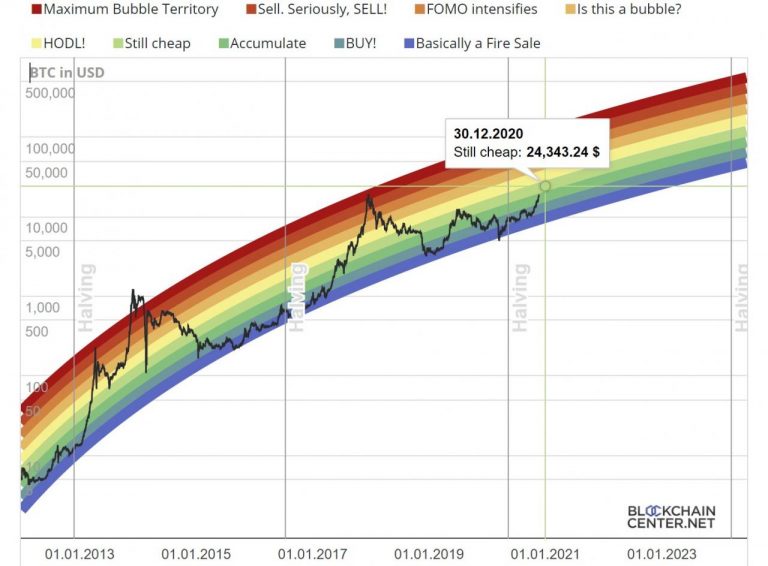
Bitcoin price usd stock is a topic that continues to generate significant interest among investors and analysts alike. As the world of cryptocurrency evolves, understanding the factors that drive Bitcoin’s value in USD becomes crucial for anyone looking to navigate this volatile market.

From historical trends to future predictions, the dynamics of Bitcoin pricing are influenced by a variety of factors, including economic indicators, regulatory changes, and media coverage. This overview aims to provide a comprehensive look at these elements, helping readers grasp the complexities of Bitcoin’s pricing landscape.

Overview of Bitcoin Pricing in USD

The price of Bitcoin in USD has been subject to significant fluctuations since its inception in 2009. Understanding the historical trends can provide valuable insights into the cryptocurrency market. In this section, we will explore key events that have influenced Bitcoin pricing and share statistics related to its fluctuations over the past decade.

Historical Trends of Bitcoin Price in USD

Bitcoin’s journey in the USD market is marked by notable highs and lows. Initially priced at just a few cents, Bitcoin reached its first significant milestone by crossing the $1 mark in 2011. The following years saw tremendous growth, with the price hitting $1,000 in late 2013. A notable peak occurred in December 2017 when Bitcoin surged to nearly $20,000, only to fall sharply in 2018.

The price exhibited recovery in 2020, breaking past previous records and reaching new heights in 2021, where it hit approximately $64,000. However, the price has continued to demonstrate volatility, impacted by various factors including market sentiment and regulatory developments.

Key Events Influencing Bitcoin Pricing

Several key events have influenced Bitcoin pricing significantly. Here is a timeline detailing some of these pivotal moments:

  • 2010: Bitcoin was first traded for $0.0008.
  • 2011: Price reached $1 for the first time.
  • 2013: Bitcoin surged to over $1,000 for the first time, driven by increased adoption.
  • 2017: The peak of nearly $20,000 marked the height of the initial cryptocurrency boom.
  • 2020: Institutional investors began entering the market, contributing to a price increase.
  • 2021: Bitcoin reached an all-time high of approximately $64,000 in April.

Statistics on Bitcoin Price Fluctuations

Over the last decade, Bitcoin’s price has shown remarkable volatility, with annual returns often exceeding traditional asset classes. For instance, during its peak in 2021, Bitcoin demonstrated an increase of over 500% compared to 2020. Additionally, cryptocurrency markets have often experienced corrections, with significant drops following price surges, underscoring the speculative nature of Bitcoin trading.

Factors Influencing Bitcoin Price

Numerous factors contribute to the fluctuation of Bitcoin prices. This section delves into the key economic factors, regulatory changes, and comparisons with traditional stock market trends.

Economic Factors Affecting Bitcoin Prices

Several economic factors play a crucial role in Bitcoin pricing, including:

  • Supply and Demand: The fixed supply of Bitcoin at 21 million coins creates scarcity, influencing its price.
  • Market Sentiment: Positive news can drive demand, while negative news can lead to sell-offs.
  • Economic Indicators: Inflation rates and economic stability can impact the attractiveness of Bitcoin as a hedge.

Impact of Regulatory Changes

Regulatory changes have a substantial impact on Bitcoin pricing. For example, when countries announce favorable regulations or legal recognition of cryptocurrencies, such as accepting Bitcoin as a legal tender, prices tend to rise. In contrast, crackdowns or bans, particularly in major markets, often lead to price declines.

Comparison with Traditional Stock Market Trends

Bitcoin’s price movements often diverge from traditional stock market trends. While stocks can be influenced by earnings reports and economic data, Bitcoin’s price is more susceptible to market sentiment and speculative trading. For instance, during economic downturns, Bitcoin may serve as a refuge for investors, contrasting with traditional stocks that may decline.

Bitcoin Price Predictions

The future of Bitcoin pricing is often the subject of speculation. This section will explore methodologies for predicting Bitcoin prices and insights from industry experts.

Methodologies for Predicting Bitcoin Prices

Various methodologies exist for predicting Bitcoin prices, including:

  • Fundamental Analysis: Involves evaluating market demand, macroeconomic factors, and overall cryptocurrency adoption.
  • Technical Analysis: Analyzes past price movements and trading volumes to forecast future price action.
  • Sentiment Analysis: Gauges public sentiment through social media and news to anticipate price movements.

Expert Insights on Future Trends

Experts in the field have varied opinions on Bitcoin’s future price trajectory. Some predict continued growth driven by institutional adoption, while others caution about potential regulations that could hinder growth. Noteworthy predictions from analysts suggest Bitcoin could reach new highs based on current trends and market dynamics.

Role of Technical Analysis

Technical analysis plays a crucial role in predicting Bitcoin prices. Traders use various indicators such as moving averages, Relative Strength Index (RSI), and Fibonacci retracement levels to inform their trading strategies. These tools help traders identify patterns and potential breakout points in Bitcoin’s price movements.

Bitcoin vs. Traditional Stocks

When comparing Bitcoin to traditional stocks, several key differences emerge regarding volatility, investment advantages, and performance metrics.

Volatility Comparison

Bitcoin is significantly more volatile than traditional stocks. Major stock indices like the S&P 500 typically show annual fluctuations of around 10-15%, while Bitcoin can experience daily swings exceeding 10%. This inherent volatility is a key characteristic that attracts traders but can also pose risks.

Advantages and Disadvantages of Investing

Investing in Bitcoin comes with its own set of advantages and disadvantages compared to traditional stocks.

  • Advantages:
    • Potential for high returns due to rapid price increases.
    • Decentralization offers freedom from traditional financial systems.
  • Disadvantages:
    • High volatility can lead to substantial losses.
    • Lack of regulatory protections compared to traditional markets.

Performance Comparison Table

The following table compares Bitcoin’s performance with selected stock assets over specific periods:

Asset 1-Year Return 5-Year Return
Bitcoin 200% 600%
S&P 500 Index 15% 100%
Apple Inc. (AAPL) 25% 250%

Psychological Factors in Bitcoin Trading

Investor sentiment plays a significant role in Bitcoin trading. This section will explore behavioral finance principles and emotional factors that drive trading decisions.

Behavioral Finance Principles

The principles of behavioral finance illustrate how psychological influences affect investor behavior in the Bitcoin market. Investors often exhibit herd mentality, leading to rapid price changes based on collective sentiment rather than fundamental analysis.

Emotional Factors Driving Decisions

Emotions such as fear and greed significantly influence trading decisions in the Bitcoin market. During price surges, greed can lead to FOMO (Fear of Missing Out), resulting in increased buying pressure. Conversely, during downturns, fear can trigger mass sell-offs, exacerbating price declines.

Case Studies of Investor Reactions

Notable case studies highlight how investors have reacted to significant changes in Bitcoin prices. For example, during the 2017 price surge, many first-time investors entered the market, driven by media hype. In contrast, the sharp decline in early 2018 saw many panic sell, demonstrating how emotions can override rational decision-making.

Case Studies of Significant Price Movements

This section will detail significant price surges and declines in Bitcoin’s history, including their causes and investor responses.

Significant Price Surges and Declines

Key price movements in Bitcoin history have often been influenced by external factors. For instance, the 2017 surge was fueled by media coverage and institutional interest, while the subsequent crash was exacerbated by regulatory scrutiny.

Investor Response Analysis

Investor responses during price spikes and crashes often illustrate the psychological impact of market dynamics. During rapid surges, many investors display exuberance, while crashes can result in panic and significant sell-offs.

Timeline Table of Important Events

The following table illustrates significant events and their corresponding price movements:

Date Event Price Movement
December 2017 Bitcoin reaches $20,000 +1,000%
January 2018 Major correction begins -65%
October 2020 Institutional interest grows +150%

Future Trends in Bitcoin Pricing

Potential advancements and institutional investments are poised to influence Bitcoin’s future pricing. This section discusses these trends and various analyst predictions.

Technological Advancements Impacting Pricing

Technological advancements, such as the development of more efficient blockchain technologies and improvements in transaction speeds, could positively impact Bitcoin pricing. The integration of Bitcoin into financial systems may also enhance its scalability and usability.

Implications of Institutional Investments

The growing interest from institutional investors is likely to have profound implications on Bitcoin pricing. As more institutions allocate funds into Bitcoin, demand could increase, potentially driving prices higher.

Analyst Predictions for the Next Five Years

Financial analysts present varied predictions for Bitcoin’s price trajectory over the next five years. While some forecast a bullish outlook with prices reaching $100,000, others caution that regulatory challenges and market corrections could inhibit growth. These predictions reflect a complex interplay of market dynamics and investor sentiment.

The Role of Media in Bitcoin Pricing

Media coverage plays a crucial role in Bitcoin price volatility. This section analyzes its impact and provides examples of major news events influencing Bitcoin prices.

Media Coverage Impact on Volatility

Media reports can trigger rapid changes in Bitcoin pricing, either positively or negatively. Positive coverage often leads to increased interest and buying activity, while negative coverage can instigate panic selling.

Examples of Major News Events

Historical examples illustrate how significant news events have led to drastic changes in Bitcoin prices. For instance, news regarding the acceptance of Bitcoin by major retailers often coincided with price increases, while announcements of regulatory crackdowns have typically resulted in price declines.

Social Media Sentiment Influence

Social media sentiment has increasingly become a significant factor in Bitcoin trading activities. Platforms like Twitter and Reddit can amplify market movements through viral trends and discussions, impacting investor behavior and, consequently, pricing dynamics.

Last Recap

In summary, the journey through the world of bitcoin price usd stock reveals not only its past fluctuations but also the myriad factors that could shape its future. As investors continue to watch this space, understanding these influences can provide valuable insights for making informed decisions in the cryptocurrency market.

FAQ Guide

What is Bitcoin?

Bitcoin is a decentralized digital currency that allows peer-to-peer transactions without the need for a central authority or intermediary.

How does Bitcoin price fluctuate?

Bitcoin prices fluctuate due to various factors, including market demand, investor sentiment, regulatory news, and macroeconomic trends.

What influences Bitcoin’s price?

Factors such as technological advancements, institutional investments, market speculation, and media coverage significantly influence Bitcoin’s price movements.

Is Bitcoin a good investment?

Whether Bitcoin is a good investment depends on individual risk tolerance and investment goals, as it can be highly volatile but also offers potential for high returns.

How do I buy Bitcoin?

You can buy Bitcoin through cryptocurrency exchanges, peer-to-peer platforms, or Bitcoin ATMs using fiat currency or other cryptocurrencies.

Bitcoin price breakout is a fascinating phenomenon in the cryptocurrency market that draws the attention of both seasoned traders and newcomers alike. As prices surge past established resistance levels, these breakouts can signal significant profit opportunities and shifting market sentiment.

This exploration of Bitcoin price breakouts delves into the mechanics behind these movements, highlighting historical examples, key indicators, and the various factors that contribute to such dramatic changes in value. Understanding these trends is crucial for anyone looking to navigate the volatile waters of Bitcoin trading.

Understanding Bitcoin Price Breakouts

Bitcoin price breakouts refer to moments when the price of Bitcoin surpasses a significant resistance level or dips below a key support level, leading to substantial movements in the market. Recognizing these moments can help traders make informed decisions about when to buy or sell. The volatility of Bitcoin often means that these breakouts can lead to rapid gains or losses, making it essential for traders to be vigilant and informed.Price breakouts in Bitcoin often occur after extended periods of consolidation, where the price trades within a narrow range.

Historical examples include the breakout in late 2017 when Bitcoin surged from around $5,000 to nearly $20,000 in just a few months. Similarly, another notable breakout occurred in 2020, where Bitcoin’s price climbed from approximately $10,000 in September to over $40,000 by January 2021. Both instances highlight how breakouts can lead to significant price movements, although they can also result in subsequent corrections.

Indicators for Identifying Potential Breakouts

Traders utilize various indicators to identify potential breakouts in the Bitcoin market. These indicators can help forecast price movements and increase the likelihood of making profitable trades. Understanding these tools is crucial for anyone looking to engage with Bitcoin trading effectively.Common indicators include:

  • Volume Analysis: A significant increase in trading volume often accompanies a breakout, suggesting strong market interest and momentum.
  • Moving Averages: Traders look at short-term moving averages crossing above long-term moving averages as a sign of a bullish breakout.
  • Bollinger Bands: When the price approaches the upper band in a period of low volatility, it can signal that a breakout is imminent.
  • Relative Strength Index (RSI): An RSI reading above 70 may indicate that Bitcoin is overbought, while a reading below 30 can suggest it is oversold, both of which can precede breakouts.
  • Chart Patterns: Technical patterns like triangles, flags, or head and shoulders can indicate potential breakout points when the price breaks out of these formations.

Utilizing these indicators can enhance a trader’s ability to anticipate future price movements in Bitcoin. Recognizing the right conditions for a breakout can provide a critical advantage in the fast-paced cryptocurrency market.

Factors Influencing Bitcoin Price Breakouts

The dynamics of Bitcoin price movements are driven by a multitude of factors that stem from economic, political, and social contexts. Understanding these factors is crucial for investors aiming to anticipate when a breakout might occur. An analysis of these influential elements can provide clarity on the volatility and potential profitability associated with Bitcoin trading.Economic conditions play a significant role in shaping Bitcoin price breakouts.

Factors such as inflation rates, interest rates, and overall market stability can either bolster or hinder Bitcoin’s value. In times of economic uncertainty, such as during a financial crisis, Bitcoin often emerges as a preferable asset for investors seeking a hedge against currency devaluation. This was evident during the COVID-19 pandemic, where Bitcoin saw a surge in demand as a safe haven asset.

Market Sentiment and Its Influence

Market sentiment is a powerful driver of Bitcoin’s price movements. The collective feelings and attitudes of investors can lead to significant price fluctuations. A positive sentiment, often driven by favorable news or advancements in blockchain technology, can trigger a buying frenzy, resulting in a breakout. Conversely, negative news, such as regulatory crackdowns or security breaches, can instill fear, leading to sell-offs and price drops.Key aspects influencing market sentiment include:

  • News Coverage: Headlines regarding Bitcoin can sway public perception rapidly. Positive reports about institutional adoption or technological advancements can encourage buying.
  • Social Media Trends: Platforms like Twitter and Reddit often reflect and amplify market sentiment. A viral tweet can lead to widespread buying or selling among retail investors.
  • Analyst Predictions: Forecasts from financial analysts and crypto experts can shape investor opinions, with bullish predictions often leading to increased buying activity.

Institutional vs. Retail Investments

The roles of institutional and retail investors differ significantly regarding their impact on Bitcoin price breakouts. Institutional investors, such as hedge funds and publicly traded companies, typically invest larger amounts of capital, which can lead to more substantial price movements. Their investment decisions are often based on extensive research and strategic financial models, resulting in more calculated, long-term impacts on the market.Retail investors, on the other hand, tend to react more impulsively to market trends and news.

This can sometimes lead to exaggerated price movements, as their buying and selling decisions are often driven by emotions rather than fundamental analysis. The interplay between these two types of investors can create volatility and opportunities for breakouts, especially when institutional investments increase.The comparison of their influences can be summarized as follows:

  • Price Manipulation Capacity: Institutional investors can sway the market more effectively due to the volume of their trades, leading to pronounced breakouts.
  • Market Stability Contributions: Institutional investments often lead to a stabilizing effect on prices, as they are less likely to engage in panic selling.
  • Trend Amplification: Retail investors can amplify trends quickly, making them a critical factor in rapid price fluctuations.

Technical Analysis for Breakout Predictions

Technical analysis plays a crucial role in predicting Bitcoin price breakouts. By employing various tools and chart patterns, traders can identify potential breakout points and increase their chances of making profitable trades. This segment explores key technical analysis tools that aid in predicting Bitcoin breakouts, including chart patterns and moving averages.

Key Technical Analysis Tools for Breakout Predictions

Traders commonly utilize several technical analysis tools to identify breakout patterns. These tools help in analyzing price movements, volume, and other market factors. Some of the most effective tools include:

  • Support and Resistance Levels: Understanding where prices historically find support or resistance can help traders anticipate breakouts. A breakout occurs when the price moves above resistance or below support.
  • Volume Analysis: An increase in trading volume often accompanies price breakouts, indicating strong momentum. Trading volume serves as a confirmation signal for the sustainability of the breakout.
  • Chart Patterns: Various chart patterns, like triangles and flags, can signal potential breakouts. Recognizing these patterns can provide traders with entry and exit points.
  • Moving Averages: Moving averages smooth out price data to help identify trends over time. They can serve as dynamic support or resistance and signal potential breakouts when the price crosses these averages.

Chart Patterns and Historical Breakout Success Rates

Chart patterns are vital for predicting potential breakouts. Below is a table showcasing various chart patterns along with their historical breakout success rates. This data helps traders gauge the reliability of patterns in their analysis.

Chart Pattern Success Rate (%)
Head and Shoulders 85
Double Top 75
Ascending Triangle 70
Descending Triangle 65
Flag Pattern 80

Moving Averages as Breakout Signals

Moving averages are essential tools in technical analysis, often used to identify potential breakout points. When the price crosses above a moving average, it may indicate a bullish trend, suggesting a breakout opportunity. Conversely, the price crossing below a moving average can signal a bearish trend.

“The 50-day moving average crossing above the 200-day moving average is often referred to as a ‘golden cross,’ which is a strong indication of a potential bullish breakout.”

Traders often look for these crossover points in conjunction with other indicators to confirm breakout signals. For example, if a price approaches a significant resistance level while simultaneously crossing above a short-term moving average, this could amplify the likelihood of a breakout occurring. Employing these technical analysis tools and understanding their implications can significantly enhance a trader’s ability to predict Bitcoin price breakouts effectively.

Trading Strategies During Breakouts

In the dynamic world of cryptocurrency trading, breakout strategies are critical for capitalizing on price movements. When Bitcoin breaks through key resistance or support levels, the potential for profit increases significantly. Understanding and implementing effective trading strategies during these breakout moments can enhance trading success.Successful breakout trading requires a combination of anticipation, precision, and risk management. Below are key strategies that traders can utilize during breakout scenarios to maximize their opportunities while minimizing potential losses.

Trading Strategies for Breakout Situations

When trading breakouts, it’s essential to follow specific strategies that can help in executing trades effectively. Here is a list of strategies tailored for breakout situations:

  • Momentum Trading: This strategy focuses on entering the market when the price breaks through a resistance level with strong volume, suggesting the trend will continue upwards.
  • Pullback Entry: After a breakout occurs, traders may wait for a slight pullback to the breakout level before entering, allowing for a better risk-to-reward ratio.
  • Using Stop Orders: Placing buy stop orders just above the breakout level ensures that trades are executed automatically once the price moves in the desired direction.
  • Volume Confirmation: Traders should analyze volume spikes accompanying breakouts to confirm the strength of the move; higher volume indicates stronger momentum.
  • Chart Patterns: Identifying chart patterns like triangles, flags, or pennants helps in anticipating potential breakout points and defining entry strategies.

Step-by-Step Procedure for Executing Trades During a Breakout

Executing trades during a breakout involves a systematic approach. Here’s a step-by-step procedure to follow:

1. Identify Key Levels

Start by marking significant support and resistance levels on your chart to recognize where breakouts may occur.

2. Watch for Breakouts

Monitor the price action closely as it approaches these key levels, looking for strong movement beyond the identified resistance.

3. Confirm with Volume

Ensure that the breakout is accompanied by increased trading volume, which supports the likelihood of a sustained move.

4. Set Entry Points

Place buy orders slightly above the breakout level to capture the momentum. Alternatively, consider waiting for a pullback to enter the trade.

5. Define Stop-Loss Levels

Establish stop-loss orders to limit potential losses. It’s common to set these just below the breakout level or within a recent support zone.

6. Determine Profit Targets

Set profit targets based on previous highs, resistance levels, or a defined risk-to-reward ratio to guide exit strategies effectively.

7. Monitor and Adjust

Continuously monitor the trade and adjust stop-loss levels to lock in profits as the price moves favorably.

Risk Management Techniques When Trading Breakouts

Implementing solid risk management is crucial for long-term success when trading breakouts. Here are effective techniques to consider:

  • Position Sizing: Determine the size of each trade based on your overall capital and risk tolerance. A common rule is to risk no more than 1-2% of your trading account on a single trade.
  • Stop-Loss Orders: Always use stop-loss orders to limit losses in case the market moves against your position, ensuring protection against unexpected volatility.
  • Diversification: Avoid putting all your capital into a single trade or asset. Diversifying across different cryptocurrencies can help mitigate risks.
  • Regularly Review Trades: Keep a trading journal to analyze past trades, learning from both successes and failures. This reflection can inform future decisions.
  • Stay Informed: Always keep abreast of market news and developments that could impact Bitcoin and the broader cryptocurrency market, allowing for better-informed trading decisions.

Post-Breakout Scenarios

After a breakout occurs, the resultant price action can lead to significant volatility and opportunities for traders. Understanding the typical behaviors following a breakout is essential for effective trading strategies. Price movements may exhibit strong bullish trends, retracements, or even false breakouts, each requiring different approaches for capitalizing on the new market dynamics.Post-breakout price action usually manifests in a few distinct patterns.

Initially, one might observe a surge in buying momentum, driving prices higher as new traders enter the market, motivated by bullish sentiment. This is often referred to as “momentum trading.” However, it’s crucial to note that price can also experience pullbacks or consolidation as traders secure profits or reassess market conditions. Recognizing these patterns allows traders to devise strategies that align with the prevailing market sentiment and price behavior.

Strategies for Capitalizing on Post-Breakout Trends

To effectively navigate the post-breakout landscape, traders can employ several strategies that take advantage of emerging trends. Firstly, utilizing trend-following techniques can enhance entry points during bullish movements.

  • Enter on Retests: After a breakout, prices often come back to test the breakout level. Entering trades during this retracement can yield better risk-reward ratios.
  • Trailing Stops: Implementing trailing stops allows traders to lock in profits as the price continues to rise while still giving it room to move upward.
  • Scaling In: Gradually increasing positions on confirmations of strong bullish momentum can reduce risk and enhance potential rewards.

Recognizing the importance of risk management is vital. Setting stop-loss orders just below key support levels established during the breakout can protect against sudden reversals.

Potential Pitfalls After a Breakout

Traders often face several challenges after a breakout, which can lead to losses if not managed properly. Overtrading is a common pitfall, as the excitement of breakout opportunities can lead to rash decisions.

  • False Breakouts: These occur when the price appears to break out but quickly reverses. Traders should wait for confirmation through volume or additional price action before entering trades.
  • Ignoring Market Sentiment: Failing to assess broader market conditions may result in missed signals. Traders should remain aware of cryptocurrencies’ overall market trends and news influences.
  • Emotional Trading: Chasing prices or reacting impulsively can derail a trading plan. Maintaining discipline and following a predefined strategy is essential for success.

Employing a disciplined approach and adhering to a well-structured trading plan can help mitigate these risks and enhance the probability of capitalizing on post-breakout scenarios. By understanding the common price actions and implementing robust strategies, traders can navigate the complexities of breakouts with greater confidence.

Case Studies of Notable Bitcoin Breakouts

Bitcoin has experienced several significant price breakouts throughout its history, often leading to substantial market movements and investor interest. These breakouts are typically characterized by rapid increases in price, driven by various market conditions, investor sentiment, and external events. Understanding these case studies provides valuable insights into the dynamics of Bitcoin trading and market behavior.One notable aspect of Bitcoin price breakouts is how they can be influenced by both external factors, such as regulatory news and technological advancements, and internal market conditions, including trading volume and market sentiment.

The following sections detail key case studies of significant Bitcoin price breakouts, along with the surrounding market conditions and aftermath.

Case Studies Overview

The following table summarizes several notable Bitcoin breakouts, highlighting the key dates, price movements, market conditions, and aftermath. This comparison allows for a clearer understanding of different breakout scenarios and their effects on the market.

Date Price Movement Market Conditions Aftermath
December 2017 Price surged from $10,000 to nearly $20,000 Increased media coverage and retail investor interest Subsequent correction to around $6,000 by early 2018
April 2020 Price increased from $4,000 to $10,000 Halving event and institutional investment interest Continued upward trend leading to new all-time highs in late 2020
October 2020 Price jumped from $10,500 to $13,500 Growing institutional adoption and positive regulatory news Followed by a rally to $40,000 in early 2021
November 2021 Price reached an all-time high of $69,000 High retail participation and media hype Significant corrections followed, with sharp declines in early 2022

“All markets operate on the principles of supply and demand, and Bitcoin is no exception. Its price behavior during breakouts often reflects broader market sentiment and external influences.”

This table illustrates the volatility and dynamics of Bitcoin’s market behavior during key breakout events. Each breakout not only serves as a lesson in price movement but also highlights the influence of market conditions and investor psychology on the cryptocurrency landscape.

Conclusive Thoughts

In summary, Bitcoin price breakouts present both exciting opportunities and inherent risks for traders. By equipping yourself with knowledge of market indicators, trading strategies, and post-breakout scenarios, you can better position yourself to capitalize on these pivotal moments. The cryptocurrency landscape is ever-evolving, making it essential to stay informed and prepared for the next breakout.

FAQ Resource

What is a Bitcoin price breakout?

A Bitcoin price breakout occurs when the price moves beyond a defined resistance level, often leading to significant price movements.

How can traders identify a potential breakout?

Traders often use technical indicators such as moving averages, volume spikes, and chart patterns to identify potential breakouts.

What factors influence Bitcoin price breakouts?

Economic conditions, market sentiment, and major news events can all influence Bitcoin price movements and potential breakouts.

What should I do after a breakout happens?

After a breakout, traders should analyze market conditions, consider potential profit-taking strategies, and remain cautious of possible reversals.

Are all breakouts reliable?

No, not all breakouts lead to sustained price increases; it’s important to assess the market context and employ risk management strategies.

In the rapidly evolving landscape of cryptocurrencies, the bitcoin xrp chart serves as a vital tool for investors and enthusiasts alike. With Bitcoin often hailed as the pioneer of digital currencies and XRP making waves with its innovative approach to payments, understanding their price movements and market dynamics is crucial. This piece delves deep into the historical significance of both cryptocurrencies, their charting intricacies, and the factors that influence their market trajectories.

From dissecting the components of cryptocurrency charts to exploring technical analysis techniques, we aim to equip you with the insights needed to navigate the complexities of Bitcoin and XRP trading. Get ready to unravel the patterns and trends that define these two digital assets!

Overview of Bitcoin and XRP

Bitcoin and XRP stand as two prominent figures in the cryptocurrency landscape, each playing a crucial role in shaping the market. As the first decentralized digital currency, Bitcoin has paved the way for countless innovations in the blockchain space, while XRP aims to revolutionize cross-border transactions with its unique consensus algorithm. Understanding their significance requires a look into their historical origins and current market dynamics.Bitcoin, launched in 2009 by an anonymous entity known as Satoshi Nakamoto, introduced the world to blockchain technology and decentralized finance.

It was created as a response to the financial crisis, aiming to provide a peer-to-peer electronic cash system without the need for intermediaries. Over the years, Bitcoin has gained acceptance from various sectors, becoming a store of value often referred to as “digital gold.” Conversely, XRP was introduced in 2012 by Ripple Labs as a digital asset designed for facilitating real-time, cross-border payments.

With a focus on speed and low transaction costs, XRP has garnered the attention of financial institutions seeking to enhance their payment systems.

Market Capitalization and Trading Volume

When analyzing the market capitalization and trading volume of Bitcoin and XRP, it’s essential to acknowledge their respective positions within the cryptocurrency ecosystem. Bitcoin remains the largest cryptocurrency by market capitalization, often exceeding hundreds of billions of dollars, while XRP consistently ranks among the top digital assets, though its market cap is significantly lower than Bitcoin’s.The following points highlight the differences and similarities in their market dynamics:

  • Market Capitalization: Bitcoin typically holds over 40% of the total cryptocurrency market capitalization, reflecting its dominance and widespread adoption.
  • Trading Volume: Bitcoin often experiences daily trading volumes in the billions, which serves as a testament to its liquidity and investor interest.
  • XRP’s Position: XRP, while being lower in market cap compared to Bitcoin, has witnessed substantial trading volume during periods of heightened interest, particularly when partnerships with financial institutions are announced.
  • Price Volatility: Bitcoin’s price tends to be more volatile, experiencing dramatic swings that attract speculative trading, whereas XRP’s price stability is often influenced by its utility in payment solutions.

In summary, both Bitcoin and XRP serve distinct purposes within the cryptocurrency market, with Bitcoin focusing on decentralization and store of value, while XRP targets the efficiency of financial transactions across borders. Their respective historical journeys contribute to their current standings, making them crucial to any analysis of the digital currency landscape.

Understanding the Bitcoin and XRP Chart

To effectively navigate the world of cryptocurrency trading, understanding the Bitcoin and XRP chart is essential. These charts provide a visual representation of price movements, trading volume, and historical trends over various time frames, enabling traders to make informed decisions.Cryptocurrency charts typically consist of several key components: the price, volume, and time frame. The price is depicted on the vertical axis, while the time frame is represented on the horizontal axis.

Volume, which indicates the amount of cryptocurrency traded over a specific period, is often displayed as a series of bars beneath the price chart. Analyzing these elements together can help identify patterns and potential trading opportunities.

Components of a Cryptocurrency Chart

Understanding the components of a cryptocurrency chart is crucial for making sense of market dynamics. The following elements are fundamental to interpreting Bitcoin and XRP charts:

Price

This is the value of the cryptocurrency, typically displayed as a line or candlestick chart. It shows how the price has fluctuated over time.

Volume

Volume represents the total amount of the cryptocurrency traded during a specific period. High volume can indicate strong investor interest and potential price movements.

Time Frame

Charts can be viewed in various time frames, such as minutes, hours, days, or weeks. Different time frames can reveal different trends and patterns.The relationship between these components is vital for interpreting price movements. A price spike accompanied by high volume often signals strong market sentiment, while a price increase on low volume may suggest a lack of conviction.

Illustration of a Typical Bitcoin and XRP Chart Structure

To further illustrate the structure of a Bitcoin and XRP chart, consider the following detailed representation using HTML table tags. This example Artikels the key components and their arrangement on a typical chart.

Component Description
Price Axis Vertical line displaying the range of cryptocurrency prices.
Time Axis Horizontal line indicating the time intervals (e.g., minutes, hours, days).
Price Data Points Candlestick or line representation showing price movements over time.
Volume Bars Bars below the price chart indicating the trading volume for each time period.
Trend Lines Lines drawn to indicate upward, downward, or sideways trends.
Indicators Technical analysis tools (e.g., moving averages, RSI) used for deeper analysis.

Understanding this structure allows traders to analyze and interpret the data effectively. By examining price trends, volume changes, and the overall chart pattern, traders can make more informed decisions on their buying or selling strategies.

Key Factors Influencing Bitcoin and XRP Prices

The prices of Bitcoin and XRP are not solely determined by market supply and demand; they are significantly influenced by various economic, political, and social factors. Understanding these dynamics is crucial for investors and enthusiasts who seek to navigate the complexities of the cryptocurrency markets.Economic and political factors play a substantial role in shaping the value of Bitcoin and XRP.

Global economic conditions, inflation rates, and monetary policies can lead to fluctuations in cryptocurrency prices. For instance, during periods of economic uncertainty, investors may turn to Bitcoin as a “digital gold,” driving its price up. Conversely, XRP’s value can be influenced by its adoption in cross-border payments and partnerships with financial institutions.

Economic and Political Influences

Several key economic and political factors impact the prices of Bitcoin and XRP:

  • Inflation and Currency Devaluation: High inflation rates can lead to increased interest in cryptocurrencies as a hedge against traditional fiat currencies losing value. Bitcoin, in particular, has been viewed as a safe haven during such times.
  • Geopolitical Tensions: Events such as trade wars or political unrest can create uncertainty in traditional markets, often pushing investors toward cryptocurrencies for perceived stability.
  • Central Bank Policies: Decisions made by central banks regarding interest rates and quantitative easing can influence market sentiment, affecting cryptocurrency prices. For example, low-interest rates may encourage more investments in riskier assets like Bitcoin.
  • Adoption by Institutions: The growing acceptance of Bitcoin and XRP by large financial institutions can greatly impact their values, as institutional investments tend to drive prices higher due to increased legitimacy and market confidence.

Market sentiment and investor behavior are pivotal in the price dynamics of cryptocurrencies. The emotional state of the market can lead to significant price swings, often detached from underlying fundamentals.

Market Sentiment and Investor Behavior

The influence of market sentiment on cryptocurrency prices is profound and can lead to volatile trading environments. Factors influencing sentiment include:

  • Media Coverage: Positive or negative news stories can sway public perception and investor confidence, leading to rapid price changes. For instance, a favorable regulatory decision can spark buying frenzies.
  • Social Media Influence: Conversations on platforms like Twitter and Reddit can create trends that impact trading behavior. Memes and viral posts can lead to sudden surges in activity for Bitcoin or XRP.
  • Herd Behavior: Investors often follow the crowd, leading to irrational buying or selling. This can amplify price movements, as seen during market bubbles and crashes.

Regulatory changes are another major factor that profoundly affects the value of Bitcoin and XRP. The cryptocurrency market operates in a complex regulatory environment that varies widely across different jurisdictions.

Impact of Regulatory Changes

Regulatory frameworks can either bolster or hinder the growth of cryptocurrencies, affecting market confidence and investment. Key impacts include:

  • Legal Frameworks: Clear and supportive regulations can enhance investor confidence, potentially leading to increased prices. Changes in laws that favor cryptocurrency use can result in positive market reactions.
  • Government Bans: Conversely, announcements of potential bans or restrictions on cryptocurrency trading can lead to panic selling, as seen when China imposed strict regulations on cryptocurrency exchanges.
  • Tax Regulations: How governments tax cryptocurrency transactions can influence trading behavior. Favorable tax treatments may encourage more investors to enter the market, boosting prices.

Comparative Price Analysis

In the world of cryptocurrencies, Bitcoin and XRP are two of the most significant players, each exhibiting unique price trends and market behaviors. Understanding their recent price trajectories can provide valuable insights for investors looking to navigate the volatile crypto landscape. This section dives into a comparative analysis of Bitcoin and XRP’s price movements, highlighting their divergences and what they could mean for future trading strategies.To effectively analyze the price trends of Bitcoin and XRP, historical data serves as a critical reference point.

The following table summarizes the recent price movements for both cryptocurrencies, showcasing key statistics over the past month.

Date Bitcoin (BTC) Price (USD) XRP Price (USD)
September 1, 2023 $26,000 $0.55
September 15, 2023 $27,500 $0.60
September 30, 2023 $28,200 $0.65
October 15, 2023 $29,000 $0.70
October 31, 2023 $30,500 $0.75

The comparative price analysis reveals discernible trends that are crucial for understanding potential market movements. Notably, Bitcoin has shown a consistent upward trajectory over the last couple of months, with a steady increase in its price from $26,000 to $30,500. In contrast, XRP, while also experiencing growth, has shown slower price appreciation, moving from $0.55 to $0.75 within the same timeframe.

Implications of Price Divergences

The price divergence between Bitcoin and XRP carries significant implications for traders and investors. Bitcoin, often regarded as the market leader, has historically influenced the performance of altcoins, including XRP. A few key observations regarding the implications of these price trends include:

Market Sentiment

As Bitcoin’s price rises, it generally instills confidence in the broader cryptocurrency market, leading to increased investments across various altcoins, including XRP. However, if Bitcoin’s growth is significantly outpacing XRP, it could result in a shift where investors prioritize Bitcoin over altcoins, impacting XRP’s liquidity and trading volume.

Risk Management

Investors monitoring these divergences may adjust their portfolios accordingly. If Bitcoin continues to rise while XRP stagnates, investors may consider reallocating funds from XRP to Bitcoin to capitalize on higher potential returns, thereby amplifying XRP’s price volatility.

Correlation Analysis

Observing the correlation between Bitcoin and XRP prices can help in developing trading strategies. A weakening correlation might indicate that XRP is becoming less dependent on Bitcoin’s price trends. This could open opportunities for XRP to establish its own market identity and dynamics, particularly if it gains traction through technological advancements or regulatory clarity.Overall, the comparative price analysis of Bitcoin and XRP underscores the importance of monitoring price trends and divergences, as these factors can significantly impact trading strategies and investment decisions in the ever-evolving cryptocurrency landscape.

Technical Analysis Techniques

In the realm of trading cryptocurrencies like Bitcoin and XRP, technical analysis serves as a crucial tool for investors and traders alike. By evaluating price movements and trading volumes, analysts can make informed decisions about future price directions. This section delves into various technical indicators that are popular among traders for analyzing Bitcoin and XRP charts, along with a guide to applying them for future predictions.

Popular Technical Indicators

Technical indicators are essential tools in analyzing price trends and market sentiment. A robust understanding of these indicators can enhance traders’ ability to predict future price movements accurately. Here are some of the most widely used indicators:

  • Moving Averages (MA): Moving averages smooth out price data to identify trends over a specified period. Traders often use the Simple Moving Average (SMA) and the Exponential Moving Average (EMA) to gauge market momentum.
  • Relative Strength Index (RSI): This momentum oscillator measures the speed and change of price movements. It ranges from 0 to 100, typically indicating overbought conditions above 70 and oversold conditions below 30.
  • Bollinger Bands: These bands consist of a middle band (SMA) and two outer bands (standard deviations). The distance between the bands signifies market volatility, with price movements often following a bounce off the bands.
  • MACD (Moving Average Convergence Divergence): This indicator helps traders understand the relationship between two moving averages of a security’s price. It provides insights into potential buy or sell signals through its crossovers.
  • Volume: Volume indicates the total number of coins traded over a specific timeframe. High volume can signify strong market interest, making it a vital indicator for confirming trends.

Applying Indicators for Future Price Predictions

Understanding how to apply technical indicators is vital for effective trading strategies. The application of these indicators involves analyzing their signals in relation to price action. Here’s a basic guide:

  • Moving Averages: Crossovers between short-term and long-term moving averages can signal potential entry or exit points. For example, if a short-term MA crosses above a long-term MA, it may suggest a buy signal.
  • RSI Interpretation: Traders look for RSI divergences, where the price makes a new high or low, but the RSI does not. This can indicate a possible reversal in price direction.
  • Bollinger Bands Usage: When price touches or exceeds the upper band, it may indicate a possible pullback. Conversely, a drop to the lower band may indicate a price reversal opportunity.
  • MACD Signals: A bullish signal occurs when the MACD line crosses above the signal line, while a bearish signal happens when it crosses below. Traders can use these crossovers to enter or exit trades.
  • Volume Confirmation: High trading volume during a price increase supports the continuation of a trend, while low volume can signal a potential reversal.

Patterns in Bitcoin and XRP Price Movements

Recognizing specific patterns can provide valuable insights into potential future price movements. Here are some common patterns to watch in Bitcoin and XRP price movements:

  • Head and Shoulders: This reversal pattern indicates a potential change in trend direction. A classic head and shoulders formation appears at market tops, while an inverse pattern occurs at market bottoms.
  • Double Tops and Bottoms: These patterns suggest potential reversals. A double top occurs after an uptrend, signaling a bearish reversal, while a double bottom happens after a downtrend, indicating a bullish reversal.
  • Triangles: Ascending, descending, and symmetrical triangles signify consolidation patterns that often precede strong price movements. Breakouts from these patterns can lead to significant trends.
  • Flags and Pennants: Both patterns indicate continuation of the existing trend. Flags appear as rectangular shapes that slope against the prevailing trend, while pennants are small symmetrical triangles following a strong price movement.

“Technical analysis is not about predicting the future; it’s about understanding the past and how it can influence the present.”

Market Trends and Predictions

The cryptocurrency market is an ever-evolving landscape, and understanding the trends that shape Bitcoin and XRP is crucial for investors. With the rise of decentralized finance (DeFi) and an increasing interest in blockchain technology, both Bitcoin and XRP are poised to experience significant movements in the near future. Analyzing current data allows us to forecast potential future scenarios for these digital assets.Emerging trends indicate that institutional interest in cryptocurrencies has surged, with many companies and investment funds allocating portions of their portfolios to Bitcoin and XRP.

This shift has the potential to drive prices higher as demand increases. Additionally, regulatory clarity around cryptocurrencies is becoming more pronounced, impacting market dynamics and investor confidence.

Potential Future Price Scenarios

Several factors contribute to the future pricing of Bitcoin and XRP, including market sentiment, regulatory developments, and macroeconomic conditions. Based on current trends and expert analysis, here are some potential scenarios for the next year:

Bitcoin Price Scenario

Analysts predict Bitcoin could reach a price range between $70,000 to $100,000, depending largely on institutional adoption and market trends. The introduction of Bitcoin ETFs and growing acceptance by mainstream financial institutions could catalyze this growth.

XRP Price Scenario

XRP’s price may see fluctuations based on its ongoing legal battles and adoption within the financial sector. Predictions suggest a range of $1.50 to $3.00, influenced by the outcome of regulatory decisions and partnerships with banks.To summarize expert predictions for Bitcoin and XRP over the next year, the following table illustrates the expected price ranges:

Cryptocurrency Expert Prediction Price Range Key Influencing Factors
Bitcoin (BTC) $70,000 – $100,000 Institutional adoption, Bitcoin ETFs, market sentiment
XRP $1.50 – $3.00 Regulatory outcomes, bank partnerships, market dynamics

In conclusion, understanding these market trends and predictions can help investors navigate the complexities of the cryptocurrency market. By staying informed about potential price scenarios and the key factors that influence them, one can make better-informed investment decisions.

Investment Strategies

Investing in cryptocurrencies like Bitcoin and XRP requires a well-thought-out strategy to maximize returns while managing risks. As these digital assets can be highly volatile, having a clear plan is crucial for any investor looking to navigate the complexities of the market. This section covers effective investment strategies, risk management techniques, and a step-by-step procedure to set up a successful cryptocurrency trading portfolio.

Effective Investment Strategies for Bitcoin and XRP

Developing an effective investment strategy involves understanding market dynamics and recognizing opportunities for growth. Key strategies include dollar-cost averaging, diversification, and setting clear investment goals. Dollar-cost averaging involves investing a fixed amount of money at regular intervals, which helps mitigate the impact of market volatility. By purchasing Bitcoin and XRP consistently over time, investors can average out the purchase price, reducing the risk of buying at a peak.Diversification is essential in cryptocurrency investments.

Allocating funds across various assets, including Bitcoin, XRP, and other altcoins, can help spread risk. This strategy protects your portfolio from significant losses if one asset underperforms.Setting clear investment goals is also critical. Investors should determine their risk tolerance, time horizon, and desired returns. A well-defined goal guides decision-making and helps investors maintain focus during market fluctuations.

Risk Management Techniques

Effective risk management is paramount when investing in cryptocurrencies, as it helps to safeguard your capital. Key techniques include setting stop-loss orders, maintaining a balanced portfolio, and regularly reviewing investments.Stop-loss orders automatically sell your assets when they reach a predetermined price, minimizing potential losses. This strategy is particularly useful in the volatile cryptocurrency market, as it can help prevent emotional decision-making during downturns.Maintaining a balanced portfolio involves regularly assessing your asset allocation and making adjustments as needed.

By ensuring that no single investment represents an excessively large portion of your portfolio, you can reduce overall risk exposure.Regular reviews of your investments allow you to stay informed about market conditions and adjust your strategy accordingly. This practice ensures that your investment approach remains relevant and aligned with your goals.

Step-by-Step Procedure for Setting Up a Cryptocurrency Trading Portfolio

Creating a cryptocurrency trading portfolio involves several steps to ensure it aligns with your investment strategy and risk tolerance. Here’s a systematic approach:

1. Research and Choose a Reliable Exchange

Select a reputable cryptocurrency exchange that offers the assets you wish to trade. Look for factors such as security, fees, and user experience.

2. Create and Verify Your Account

Sign up for an account on the chosen exchange. Completing the verification process is essential to comply with regulatory requirements and enhance your account’s security.

3. Secure Your Investments

Consider using hardware wallets for long-term holdings. This step significantly reduces the risk of hacks and theft associated with online exchanges.

4. Develop Your Investment Strategy

Based on your research and risk tolerance, Artikel your investment strategy. Decide on the proportion of Bitcoin, XRP, and other assets you wish to include in your portfolio.

5. Start Investing

With your strategy in place, begin executing your trades according to the plan. Implement dollar-cost averaging or other strategies that suit your goals.

6. Monitor and Adjust Your Portfolio

Regularly review your portfolio’s performance and make adjustments as needed. Stay informed about market trends and news affecting Bitcoin and XRP prices.

7. Document Your Trades

Keep a detailed record of your trades, including dates, amounts, and prices. This documentation aids in tracking performance and tax reporting.By following these steps, investors can create a well-structured cryptocurrency trading portfolio that aligns with their financial goals while effectively managing risk.

Closure

In conclusion, the bitcoin xrp chart not only reflects the past but also provides a glimpse into the future of cryptocurrency investing. By understanding the historical context, current market trends, and potential investment strategies, traders can make informed decisions. As the crypto market continues to evolve, staying informed and adaptable will be key to success.

FAQ Insights

What is the significance of the bitcoin xrp chart?

The bitcoin xrp chart helps investors track price movements and understand market dynamics between these two cryptocurrencies.

How often should I check the bitcoin xrp chart?

It’s advisable to check the chart regularly, especially if you are actively trading or investing, to stay updated on price trends.

What indicators are best for analyzing the bitcoin xrp chart?

Common indicators include moving averages, RSI, and MACD, which help in predicting future price movements.

Can I use the bitcoin xrp chart for long-term investments?

Yes, the chart can provide insights for both short-term trading and long-term investment strategies.

What factors can cause price fluctuations in the bitcoin xrp chart?

Price fluctuations can be influenced by market sentiment, regulatory changes, and economic developments affecting the cryptocurrency landscape.

Kicking off with bitcoin in 2025, the landscape of cryptocurrency is poised for transformation. From advanced technologies to evolving regulatory frameworks, the next few years promise exciting developments for Bitcoin. As it integrates into the global economy, understanding these shifts will be crucial for investors, users, and businesses alike.

The rise of Bitcoin adoption among various demographics, its technological upgrades, and the ongoing discourse about security will shape its trajectory. With a closer look at potential challenges and opportunities, we can better navigate the future of Bitcoin in this ever-changing digital world.

Future Trends of Bitcoin in 2025

In the ever-evolving landscape of cryptocurrencies, Bitcoin continues to lead the charge as we move towards 2025. Several trends are emerging that will likely shape its trajectory, driven by technological advancements, economic factors, and regulatory changes. Understanding these elements is crucial for investors and enthusiasts who wish to navigate the future of Bitcoin effectively.Technological advancements will play a significant role in the future of Bitcoin.

With improvements in blockchain technology and increased scalability solutions, Bitcoin may become more efficient and user-friendly. Innovations like the Lightning Network aim to facilitate faster transactions, allowing Bitcoin to be used for everyday purchases, thereby increasing its adoption. These advancements are vital as they help lower transaction costs and improve the overall user experience, making Bitcoin a more attractive option for consumers and merchants alike.

Economic Factors Influencing Bitcoin’s Value

Several economic factors are anticipated to impact Bitcoin’s value over the next few years. Recognizing these aspects will provide insight into Bitcoin’s future market behavior.

Inflation Rates

As central banks around the world continue to implement monetary policies that may lead to inflation, Bitcoin is often viewed as a hedge against currency devaluation. Increased demand for Bitcoin as a store of value could drive up its price.

Institutional Adoption

The growing interest from institutional investors, such as hedge funds and publicly traded companies, is likely to bolster Bitcoin’s legitimacy. This trend has already been observed, with major corporations investing in Bitcoin, thus influencing its market dynamics.

Market Sentiment

Speculation and market trends heavily influence Bitcoin’s price. Positive news, such as major companies accepting Bitcoin, can drive prices up, while negative events, like security breaches or regulatory uncertainties, may lead to declines.

Regulatory Developments Expected by 2025

The regulatory landscape surrounding Bitcoin is continuously evolving, and anticipated changes will significantly affect its usage and value.

Global Regulation

Governments worldwide are working on frameworks to regulate cryptocurrencies. Stricter regulations may lead to greater market stability and increased trust among investors, while overly restrictive measures could hamper innovation and adoption.

Taxation Policies

Changes in taxation laws regarding cryptocurrency transactions are expected, influencing how investors approach Bitcoin. Clearer tax guidelines could lead to higher compliance and acceptance among users.

Consumer Protection Laws

Enhanced consumer protection measures may emerge, addressing issues like fraud and security. This will help protect investors while fostering a safer trading environment for Bitcoin.By monitoring these future trends, stakeholders can better position themselves in the Bitcoin market as it continues to evolve towards 2025.

Bitcoin Adoption Rates by 2025

As Bitcoin continues to mature, its adoption among businesses and individual users is shaping the financial landscape. By 2025, projections suggest a significant increase in the number of businesses integrating Bitcoin into their payment systems, reflecting a broader acceptance of cryptocurrency in everyday transactions. Understanding these trends provides insight into the growing relevance of Bitcoin.The adoption of Bitcoin by businesses is on a rapidly upward trajectory.

By 2025, it is estimated that over 20% of global businesses will accept Bitcoin as a legitimate form of payment. This shift is largely driven by the increasing demand for alternative payment methods, especially in sectors like e-commerce and technology. Additionally, major companies such as Microsoft and Tesla have already paved the way by integrating Bitcoin into their payment options, serving as powerful examples for smaller businesses.

Statistics on Bitcoin Adoption Among Businesses

The trend of businesses adopting Bitcoin is influenced by various factors, including ease of payment, lower transaction fees, and the potential for reaching a broader customer base. Here are some compelling statistics that highlight the growing adoption of Bitcoin among businesses:

  • Approximately 30% of small to medium-sized enterprises (SMEs) are expected to accept Bitcoin payments by 2025.
  • Over 50% of online retailers are projected to offer Bitcoin as a payment option within the next few years.
  • In a recent survey, around 40% of businesses indicated interest in integrating Bitcoin into their payment systems to attract tech-savvy customers.

The demographic trends of Bitcoin users further illustrate the expanding reach of cryptocurrency. Initially popular among tech enthusiasts and early adopters, Bitcoin’s user base is diversifying significantly. By 2025, it is anticipated that a more balanced demographic representation will emerge, including:

Demographic Trends of Bitcoin Users

The evolving demographic profile of Bitcoin users indicates a shift towards mainstream acceptance. Here are key insights into these trends:

  • Users aged 18 to 34 are expected to make up nearly 60% of Bitcoin holders, showcasing the interest of younger generations in digital currencies.
  • Women are projected to account for a growing percentage of Bitcoin users, with estimates suggesting their involvement will reach 30% by 2025.
  • Emerging markets, particularly in Southeast Asia and Africa, are seeing a surge in Bitcoin adoption, attributed to economic instability and the need for alternative financial solutions.

Global events have a significant impact on Bitcoin adoption. Economic crises, regulatory changes, and technological advancements often drive users towards cryptocurrency as a viable alternative to traditional finance. The COVID-19 pandemic, for example, accelerated digital transformation and increased interest in cryptocurrencies as people sought new ways to manage their finances.

Influence of Global Events on Bitcoin Adoption

The following points emphasize how global events shape Bitcoin adoption rates:

  • During economic downturns, such as the one prompted by the pandemic, Bitcoin often serves as a hedge against inflation, leading to increased interest and investment.
  • Regulatory shifts, such as more favorable stances from countries like El Salvador, which adopted Bitcoin as legal tender, encourage other nations to explore similar paths.
  • Technological advancements in blockchain and security features bolster user confidence, making Bitcoin more appealing amidst global uncertainties.

As Bitcoin continues to evolve, its adoption rates among businesses and users are expected to reflect the growing integration of digital currencies into everyday life. The convergence of demographic trends and global events will further solidify Bitcoin’s position as a mainstream financial asset.

Bitcoin’s Role in Global Economy in 2025

Bitcoin Price Usd 2025 Chart - Holly Du Faur

As we approach 2025, Bitcoin’s influence on the global economy is increasingly becoming evident. The integration of Bitcoin into traditional financial systems is paving the way for a dynamic shift in how transactions and value exchanges occur worldwide. With growing acceptance and regulatory frameworks being established, Bitcoin is positioned not merely as a digital asset but as a fundamental component of the global economic structure.The potential integration of Bitcoin into traditional financial systems is being facilitated by advancements in blockchain technology and growing interest from institutional investors.

Financial institutions are exploring ways to incorporate Bitcoin into their offerings, which includes creating Bitcoin-backed financial products, payment solutions, and even custody services. This deeper integration can lead to a more efficient transaction process and lower costs for businesses and consumers alike, ultimately enhancing Bitcoin’s credibility and usability as a currency.

Comparison of Bitcoin and Fiat Currencies in 2025

In 2025, the contrasting roles of Bitcoin and fiat currencies will be more pronounced as the former gains traction as a viable alternative. While fiat currencies continue to dominate day-to-day transactions, Bitcoin’s unique attributes foster an environment where it can coexist and compete effectively. Bitcoin is characterized by its decentralized nature, limited supply, and potential for appreciation, which contrasts sharply with fiat currencies that can be subject to inflation and government control.

As a result, many investors view Bitcoin as a hedge against economic instability. Here are some notable aspects of this comparison:

  • Decentralization: Bitcoin operates on a peer-to-peer network without central authority, allowing for transactions that are secure and transparent.
  • Inflation Resistance: With a capped supply of 21 million coins, Bitcoin inherently protects against inflation, unlike fiat currencies that can be printed at will.
  • Transaction Fees: Bitcoin transactions can be more cost-effective than traditional bank transfers, particularly for cross-border payments.
  • Access to Financial Services: Bitcoin enables unbanked populations to participate in the financial system, breaking barriers that fiat systems often maintain.

As Bitcoin continues to mature, its adoption rates are expected to increase significantly, leading to more individuals and businesses opting for Bitcoin transactions over traditional fiat currencies.

Leading Countries in Bitcoin Usage and Legislation

Several countries have emerged as frontrunners in the adoption and regulation of Bitcoin, creating environments conducive to its growth and innovation. These nations have recognized the potential of Bitcoin not just as a digital currency, but as a tool for economic advancement.Countries leading in Bitcoin usage and legislation include:

  • El Salvador: The first country to adopt Bitcoin as legal tender, allowing businesses to accept it alongside the US dollar.
  • Switzerland: Known for its crypto-friendly regulations, Switzerland offers a stable legal framework that encourages blockchain innovations.
  • Singapore: With a robust regulatory framework, Singapore has become a global hub for cryptocurrency exchanges and blockchain companies.
  • United States: The US is home to a significant number of Bitcoin users and exchanges, with varying state-level regulations that are evolving to accommodate digital currencies.

The legislative advancements and increased adoption in these countries illustrate the shifting landscape towards recognizing Bitcoin’s role in the global economy, suggesting a promising future for this digital asset.

Technological Innovations Impacting Bitcoin in 2025

As Bitcoin continues to evolve, its technological backbone is undergoing significant upgrades that could reshape the landscape of digital currency. By 2025, several innovations are expected to enhance the Bitcoin protocol, improve transaction efficiency, and integrate advanced technologies into trading practices, ensuring Bitcoin remains a dominant player in the cryptocurrency market.

Potential Upgrades to the Bitcoin Protocol

Enhancements to the Bitcoin protocol are crucial for addressing scalability issues and improving transaction speeds. Key upgrades anticipated include:

  • Taproot Implementation: This upgrade aims to enhance privacy, flexibility, and efficiency in Bitcoin transactions. By enabling more complex transactions to be executed off-chain, Taproot will significantly lower fees and increase transaction speeds.
  • Lightning Network Expansion: The Lightning Network allows for off-chain transactions, facilitating quicker, lower-cost payments. A broader implementation in 2025 could lead to increased transaction volumes and further mainstream adoption.
  • Improved Smart Contract Capabilities: With advancements in smart contract technology, Bitcoin may support more sophisticated decentralized applications (dApps), enhancing its functionality beyond mere currency transfer.

Impact of Blockchain Technology Advancements on Bitcoin

The progression of blockchain technology is set to have a profound impact on Bitcoin’s overall use and acceptance. Innovations in this realm are critical for improving security, interoperability, and transaction processing times. Notable advancements include:

  • Interoperability Solutions: Techniques such as cross-chain atomic swaps may emerge, allowing Bitcoin to interact seamlessly with other blockchain networks, broadening its utility.
  • Enhanced Security Protocols: The introduction of advanced cryptographic methods will bolster transaction security, making Bitcoin less susceptible to hacks and fraud.
  • Decentralized Finance (DeFi) Integration: As DeFi continues to expand, Bitcoin could be harnessed within various DeFi platforms, allowing users to earn interest, lend, or borrow using their Bitcoin holdings.

Role of Artificial Intelligence and Big Data in Bitcoin Trading

Artificial intelligence (AI) and big data are poised to transform Bitcoin trading strategies significantly. These technologies can provide traders with deeper insights and more effective decision-making tools. Key highlights include:

  • Predictive Analytics: AI algorithms can analyze vast amounts of data to predict market trends and price movements, allowing traders to make informed decisions based on data-driven insights.
  • Automated Trading Systems: With the rise of AI-powered trading bots, traders can execute trades automatically based on predefined criteria, improving efficiency and time management.
  • Sentiment Analysis: By leveraging big data, traders can gauge market sentiment from social media and news sources, informing them of potential market shifts before they occur.

“Technological advancements in Bitcoin are not just about improving speed and efficiency; they are about redefining the very experience of cryptocurrency trading.”

Security and Risk Factors for Bitcoin in 2025

As Bitcoin continues to evolve, the landscape of security threats and risk factors becomes increasingly complex. In 2025, numerous potential security threats will challenge Bitcoin users, which could impact their assets and the broader market. Understanding these risks and implementing effective security measures will be crucial for protecting investments and ensuring the stability of the Bitcoin ecosystem.Cyber attacks present a significant challenge to Bitcoin security, with various methods employed by malicious actors.

One of the primary threats includes phishing schemes, where attackers impersonate legitimate services to steal user credentials. Additionally, ransomware attacks have become more common, potentially leading to substantial financial losses for individuals and businesses alike. Furthermore, the rise of quantum computing poses a looming risk, as it could potentially break existing cryptographic algorithms that secure Bitcoin transactions.

Enhancing Bitcoin Security

To mitigate the risks associated with Bitcoin transactions, various measures can be taken to enhance security. Implementing robust security protocols is essential for safeguarding digital assets. The following strategies can significantly improve Bitcoin security for users:

  • Utilizing hardware wallets is crucial for securely storing private keys offline, reducing exposure to online threats.
  • Enabling two-factor authentication (2FA) adds an additional layer of security by requiring a second form of verification during transactions.
  • Regularly updating software and applications helps protect against vulnerabilities that could be exploited by attackers.
  • Educating users about phishing scams and recognizing suspicious activities can empower them to avoid falling victim to fraud.

In addition to these individual security measures, the entire Bitcoin ecosystem must prioritize security enhancements. This includes software developers continually upgrading the underlying protocols and infrastructure to stay ahead of emerging threats.

Implications of Cyber Attacks on Market Stability

The occurrence of cyber attacks can have profound implications for the stability of the Bitcoin market. Major breaches can erode user confidence, leading to panic selling and drastic price fluctuations. The market’s inherent volatility may be exacerbated by such incidents, as investors react to the perceived risks associated with their investments.For example, the 2021 Colonial Pipeline ransomware attack led to significant disruptions, highlighting how cyber threats can extend beyond individual users to impact entire markets.

If attackers successfully target major exchanges or wallets, the fallout could result in substantial financial ramifications, affecting liquidity and overall market health.Moreover, consistent threats may drive regulatory changes, as governments seek to impose stricter guidelines aimed at protecting consumers. While regulation can enhance security, it can also create uncertainty within the market, influencing investment behaviors and overall adoption rates.In conclusion, as the Bitcoin landscape evolves in 2025, addressing security and risk factors will be paramount.

By implementing effective strategies and acknowledging the broader implications of cyber threats, users and stakeholders can work together to foster a more secure and stable environment for Bitcoin.

Environmental Impact of Bitcoin Mining in 2025

The environmental impact of Bitcoin mining has been a hot topic of discussion as the cryptocurrency continues to gain traction globally. By 2025, advancements in sustainable mining practices, along with regulatory measures, have significantly altered the landscape of Bitcoin mining, raising awareness about its energy consumption and ecological footprint.Innovation in sustainable mining practices has emerged as a response to the growing concerns surrounding Bitcoin’s environmental impact.

Miners are increasingly adopting renewable energy sources, such as solar, wind, and hydroelectric power, to reduce their carbon footprint. The shift towards green energy not only helps minimize environmental degradation but also mitigates the volatility associated with energy prices. Major mining operations have started to set up their facilities near renewable energy plants, optimizing energy use and ensuring that their operations are eco-friendly.

Impact of Bitcoin Mining on Global Energy Consumption

The impact of Bitcoin mining on global energy consumption has become increasingly significant. As the demand for Bitcoin has surged, so has the energy required to mine it. In 2025, estimates suggest that Bitcoin mining consumes approximately 0.5% of the world’s total electricity, a staggering figure that highlights the resource intensity of this process. To provide context, here are key factors contributing to this energy demand:

  • Increased hash rates due to competition among miners, leading to higher energy inputs.
  • The geographical shift of mining operations to regions with cheaper electricity, often found in areas that rely heavily on fossil fuels.
  • The reliance on energy-intensive mining rigs and cooling systems, which exacerbate energy consumption.

The collective energy consumption of Bitcoin mining poses a challenge to global efforts aimed at reducing greenhouse gas emissions. Many environmental organizations emphasize the need for a balance between technological advancement and ecological responsibility.

Regulatory Measures Addressing Environmental Concerns in Mining

In response to the environmental issues associated with Bitcoin mining, governments and regulatory bodies worldwide are implementing measures to promote sustainability in the industry. These regulations are designed to encourage miners to adopt greener practices while holding them accountable for their energy consumption.Key regulatory measures include:

  • Imposition of carbon taxes on mining operations that rely on non-renewable energy sources.
  • Incentives for miners who utilize renewable energy, such as tax breaks or grants for sustainable innovations.
  • Implementation of energy efficiency standards that mining operations must adhere to in order to operate legally.

These measures reflect a growing acknowledgment of the environmental consequences of Bitcoin mining, pushing the industry toward a more sustainable future.

As the cryptocurrency landscape evolves, it is essential for Bitcoin mining to adapt to meet both economic and ecological demands.

Predictions for Bitcoin Price in 2025

The landscape of Bitcoin pricing is always evolving, influenced by a myriad of factors including market sentiment, regulatory changes, and technological advancements. As we look to 2025, expert predictions on Bitcoin’s price range from conservative estimates to wildly optimistic forecasts, indicating a potential for significant volatility and opportunity.Analysts have observed historical price movements to better gauge future trends. The pattern of Bitcoin’s price has shown a tendency for sharp increases followed by corrections, creating a cycle that investors have learned to navigate.

Comparing past bull and bear markets provides essential context for price forecasts as the market matures.

Expert Predictions and Market Influencers

Several influential market analysts and institutions have made predictions about Bitcoin’s price trajectory in 2025. These forecasts are shaped by various factors, including macroeconomic indicators, adoption rates, and technological developments.

Bullish Predictions

Some experts predict that Bitcoin could reach between $100,000 to $250,000 by 2025. This optimistic view is often supported by the increasing scarcity of Bitcoin due to its capped supply of 21 million coins and rising institutional adoption.

Conservative Estimates

Others suggest more moderate growth, estimating that Bitcoin might stabilize around $50,000 to $75,000. This perspective considers potential regulatory hurdles and competition from emerging cryptocurrencies.

Historical Trends

Looking back, Bitcoin has historically seen significant price jumps after major halving events. The next halving is expected in 2024, which could catalyze a price boom similar to past occurrences. The following influencers are particularly impactful in the Bitcoin market:

  • Institutional Investors: The increasing interest from hedge funds and publicly traded companies is creating upward pressure on Bitcoin prices.
  • Regulatory Bodies: Announcements or changes in laws can greatly affect market sentiment and price predictions.
  • Technological Innovations: Developments in blockchain technology and payment systems can enhance Bitcoin’s utility and adoption, influencing its market value.

“Bitcoin remains volatile, but its fundamentals suggest a promising outlook for the coming years.”

As we approach 2025, understanding the interplay between these factors will be crucial for investors and enthusiasts alike in navigating the Bitcoin market.

Final Review

In summary, the future of bitcoin in 2025 holds both promise and uncertainty. As we analyze potential advancements, risks, and the economic landscape, it becomes clear that Bitcoin’s integration into mainstream finance will be a game-changer. Keeping an eye on these developments will be essential for anyone looking to understand the cryptocurrency’s evolving role and its implications for the global economy.

Quick FAQs

What are the expected technological advancements for Bitcoin by 2025?

Technological advancements may include protocol upgrades, enhancements in blockchain efficiency, and the incorporation of artificial intelligence in trading strategies.

How will regulatory changes affect Bitcoin in 2025?

Anticipated regulatory measures could impact market stability and adoption rates, shaping how businesses interact with Bitcoin.

What is the projected adoption rate of Bitcoin among businesses by 2025?

Statistics suggest that a significant increase in business adoption is expected, particularly in tech-savvy and progressive economies.

What are the main security concerns for Bitcoin users in 2025?

Common security threats may include cyber attacks, phishing schemes, and vulnerabilities within trading platforms and wallets.

How might environmental concerns impact Bitcoin mining practices by 2025?

Advancements in sustainable mining technologies and regulatory measures aimed at reducing energy consumption will be key themes in the mining sector.

Bitcoin dominance plays a pivotal role in the cryptocurrency landscape, serving as a barometer for the health and direction of the market. This metric not only helps investors gauge Bitcoin’s market strength relative to other cryptocurrencies but also reflects broader market sentiment and trends.

As the original and most recognized cryptocurrency, Bitcoin often influences investor behavior and market dynamics, making understanding its dominance essential for anyone navigating the crypto space. By analyzing historical data and current trends, we can uncover insights into how Bitcoin maintains its position and what that means for altcoins and future market developments.

Overview of Bitcoin Dominance

Bitcoin dominance refers to the percentage of the total cryptocurrency market capitalization that is attributed to Bitcoin. This metric serves as a significant indicator of Bitcoin’s market strength relative to other cryptocurrencies, often reflecting investor sentiment and market trends. Higher dominance suggests that Bitcoin is leading the market, while lower dominance may indicate that altcoins are gaining traction.The calculation of Bitcoin dominance involves dividing Bitcoin’s market capitalization by the total market capitalization of all cryptocurrencies combined.

It is typically expressed as a percentage and is tracked over time through various financial platforms and analytical tools. Analysts and investors monitor changes in Bitcoin dominance to gauge market conditions and potential shifts in investment strategies.

Historical Trends of Bitcoin Dominance

Examining the historical trends of Bitcoin dominance reveals its volatile nature and the evolving landscape of the cryptocurrency market. Over the years, Bitcoin’s dominance has fluctuated, influenced by various factors including technological developments, regulatory changes, and the emergence of new cryptocurrencies.In its early days, Bitcoin enjoyed a significantly high dominance, often exceeding 90%. However, as the cryptocurrency market expanded with the introduction of altcoins such as Ethereum and Ripple, Bitcoin’s dominance began to decline.

  • In 2017, Bitcoin dominance fell to around 38% during the ICO boom, when numerous new projects attracted substantial investment.
  • By 2020, Bitcoin regained strength due to institutional interest and macroeconomic factors like inflation concerns, pushing dominance back above 60%.
  • As of late 2021, Bitcoin’s dominance hovered around 40-50%, reflecting the growing popularity of decentralized finance (DeFi) and non-fungible tokens (NFTs).

The ongoing trends suggest that while Bitcoin remains a dominant player, the rise of alternative cryptocurrencies continues to challenge its market share. The competition among various blockchain technologies and their use cases will likely keep influencing Bitcoin’s dominance in the future.

Bitcoin dominance serves as a barometer for investor confidence in both Bitcoin and the cryptocurrency market overall.

Factors Influencing Bitcoin Dominance

Bitcoin dominance | BTC Markets

The cryptocurrency market is a dynamic landscape where Bitcoin often plays a pivotal role. Understanding the factors that influence Bitcoin dominance is crucial for investors and enthusiasts alike. Various elements come into play that can elevate or diminish Bitcoin’s share of the total cryptocurrency market capitalization.Market sentiment is one of the most significant influences on Bitcoin dominance. This sentiment can fluctuate based on news, events, and overall market trends, resulting in rapid changes in investor behavior.

When the market sentiment is bullish, investors tend to flock towards Bitcoin, viewing it as a safer bet, thus increasing its dominance. Conversely, during bearish periods, altcoins can gain traction, diverting investments away from Bitcoin.

Impact of Market Sentiment on Bitcoin Dominance

Market sentiment acts as a barometer for how investors perceive Bitcoin relative to other cryptocurrencies. Here are some key aspects of how it influences dominance:

  • News Influence: Positive news, such as institutional adoption or regulatory clarity, can drive more investments into Bitcoin, enhancing its dominance.
  • Fear and Greed Index: This metric gauges investor sentiment and can indicate whether Bitcoin is likely to rise or fall. High fear can lead to a sell-off, while greed can spur buying.
  • Social Media Trends: Platforms like Twitter and Reddit can amplify sentiment, causing rapid shifts in Bitcoin’s perceived value and dominance.

Role of Altcoins in Influencing Bitcoin Dominance

Altcoins, or alternative cryptocurrencies to Bitcoin, play a significant role in the shifting landscape of market dominance. Their emergence and popularity can directly impact Bitcoin’s market share. The rise of various altcoins often leads to a redistribution of investment capital within the cryptocurrency market. When altcoins demonstrate technological advancements or serve unique use cases, they can attract attention and capital away from Bitcoin.

For example, platforms like Ethereum have introduced smart contracts, providing functionalities that Bitcoin does not.Here are factors highlighting the influence of altcoins on Bitcoin dominance:

  • Market Cap Comparison: As altcoins gain market capitalization, they can reduce Bitcoin’s overall dominance. For instance, during 2021, Ethereum’s rise saw its market cap surpassing $200 billion, representing a significant chunk of the total market, thereby affecting Bitcoin’s share.
  • Investment Diversification: Investors often diversify their portfolios to include altcoins, seeking higher returns. This spreading of funds can contribute to a decline in Bitcoin dominance.
  • Innovative Features: Altcoins often introduce innovative features that appeal to specific market segments, leading to increased investment in those areas and a subsequent decrease in Bitcoin’s dominance.

The interplay between Bitcoin and altcoins illustrates the complexity of the cryptocurrency market, where shifts in sentiment and innovation can lead to notable changes in Bitcoin’s dominance.

Bitcoin Dominance vs. Altcoin Performance

In the ever-evolving cryptocurrency market, the relationship between Bitcoin dominance and altcoin performance plays a critical role in shaping investment strategies. Historically, Bitcoin has often been viewed as the bellwether for the entire crypto market. Understanding how Bitcoin’s market position impacts altcoins can provide valuable insights for both seasoned investors and newcomers alike.During various market phases, the performance of Bitcoin relative to major altcoins reveals patterns that can be informative for investors.

Typically, when the crypto market is bullish, altcoins tend to outperform Bitcoin, reflecting a shift of investment interest towards these alternative coins. Conversely, in bearish conditions, Bitcoin often retains its dominance as investors flock to what they perceive as a safer asset. This correlation highlights the behavioral dynamics within the cryptocurrency landscape, where risk appetite influences asset allocation.

Market Phases and Performance Dynamics

The performance of Bitcoin and altcoins varies significantly across different market conditions. Here’s an overview of how these dynamics manifest:

1. Bull Market Phase

In a strong bull market, altcoins frequently experience rapid price increases, often outpacing Bitcoin. This phenomenon is termed “altcoin season,” where investors, encouraged by rising Bitcoin prices, seek higher returns in alternative cryptocurrencies. This period can lead to a decrease in Bitcoin dominance as the total market cap of altcoins swells.

2. Bear Market Phase

During downturns, Bitcoin typically maintains or increases its dominance as investors retreat to the perceived safety of the original cryptocurrency. Altcoins often suffer more severe price declines, leading to a drop in their market caps. This scenario emphasizes the flight to quality, where capital prioritizes well-established assets over more volatile options.

3. Sideways Market Phase

In a sideways market, where price movements are minimal and uncertainty prevails, Bitcoin dominance can fluctuate. Altcoins may show mixed performance, depending on individual project developments and investor sentiment. In such times, Bitcoin might dominate the market, serving as a reference point for price stability.The interplay between Bitcoin’s dominance and altcoin performance can be further understood through the following key insights:

  • Investor Sentiment: A significant rise in Bitcoin dominance often correlates with a bearish outlook on altcoins, leading to reduced prices and market caps for many altcoins.
  • Market Psychology: Changes in Bitcoin’s price can trigger reactions among altcoin investors. For example, a sudden surge in Bitcoin’s price can inspire confidence in the market, prompting altcoin investments.
  • Market Capitalization Trends: An increase in Bitcoin dominance usually indicates that money is flowing out of altcoins, which can result in declining altcoin valuations as Bitcoin absorbs more capital.

Notably, during the 2017 bull run, Bitcoin dominance dropped from approximately 86% to around 32% at its lowest point, as altcoins surged in popularity. This shift emphasizes the cyclical nature of investment flows in the cryptocurrency market, wherein Bitcoin functioned as a launchpad for altcoin growth.

“The relationship between Bitcoin dominance and altcoin performance encapsulates the ebb and flow of investor confidence throughout various phases of the market.”

In conclusion, observing these patterns and understanding the market dynamics associated with Bitcoin dominance can significantly enhance altcoin investors’ decision-making processes, allowing for more strategic investment approaches in this highly volatile market.

Implications of Bitcoin Dominance for Investors

Understanding Bitcoin dominance is crucial for investors looking to navigate the ever-evolving cryptocurrency market. This metric not only reflects Bitcoin’s market share but also serves as an indicator of market sentiment and the potential performance of altcoins in relation to Bitcoin. Investors armed with insights about Bitcoin dominance can craft more informed strategies, assess market conditions, and manage risks effectively.

Investment Strategies Based on Bitcoin Dominance Metrics

Investors can leverage Bitcoin dominance metrics to align their strategies with market trends. When Bitcoin’s dominance is high, it often signals a bearish sentiment for altcoins; thus, investors may choose to hold Bitcoin or allocate a larger portion of their portfolio to it. Conversely, a declining dominance may indicate a bullish trend for altcoins, prompting a shift in investment toward diversified altcoin holdings.

The following strategies can be employed:

  • Trend Following: Monitor Bitcoin dominance trends to make timely investment decisions. If dominance trends upwards, focus on Bitcoin; if it declines, consider exploring altcoin investments.
  • Portfolio Diversification: Allocate investments based on Bitcoin’s dominance. A higher dominance suggests a greater allocation to Bitcoin, while a decrease allows for increased investment in altcoins.
  • Market Timing: Use Bitcoin dominance as a timing tool for entering or exiting positions in both Bitcoin and altcoins, based on the relative strength of each segment.

Framework for Assessing Market Entry and Exit Points Influenced by Bitcoin Dominance

A robust framework for assessing entry and exit points can enhance investment decisions significantly. The influence of Bitcoin dominance on market movements can be analyzed through key indicators and triggers:

  • Dominance Thresholds: Establish threshold levels of Bitcoin dominance (e.g., above 60% indicates a strong Bitcoin market) to guide investment actions.
  • Correlation Analysis: Assess the correlation between Bitcoin price movements and altcoin performance relative to Bitcoin dominance changes to identify potential entry or exit points.
  • Sentiment Analysis: Monitor market sentiment indicators alongside Bitcoin dominance to determine investor sentiment toward Bitcoin and altcoins, aiding in timing decisions.

Risk Assessment Model Incorporating Bitcoin Dominance Levels

A comprehensive risk assessment model incorporating Bitcoin dominance levels can help investors evaluate their exposure to market volatility. Such a model may include various factors to quantify risks effectively:

  • Dominance Volatility Measurement: Track fluctuations in Bitcoin dominance over time and correlate them with market movements to gauge potential risks.
  • Market Cap Comparison: Compare the market capitalization of Bitcoin to that of altcoins. A significant disparity can indicate risk levels associated with altcoin investments.
  • Liquidity Analysis: Assess liquidity levels based on Bitcoin dominance. High dominance generally correlates with higher liquidity and lower risk for Bitcoin, while low dominance may signal higher risks in altcoin markets.

“Understanding and incorporating Bitcoin dominance into investment strategies can significantly enhance market navigation and risk management.”

Future Predictions of Bitcoin Dominance

As the cryptocurrency market evolves, the future of Bitcoin dominance remains a hot topic among investors and analysts alike. Current market data suggests significant trends and potential shifts that could redefine the landscape of digital currencies. Understanding these predictions involves an examination of various market indicators, technological advancements, and regulatory influences that may shape the future of Bitcoin’s market share.One compelling aspect of predicting Bitcoin dominance is the role of technological advancements.

Innovations in blockchain technology, such as layer 2 solutions and increased scalability, could enhance Bitcoin’s usability and attractiveness compared to altcoins. This potential for improvement could lead to increased adoption and a subsequent rise in Bitcoin’s market dominance. Furthermore, Bitcoin’s ongoing improvements in transaction speed and energy efficiency also contribute to its competitive edge.

Market Indicators Influencing Predictions

Market indicators are essential for forecasting Bitcoin dominance. These indicators can provide valuable insights into market trends and investor behavior. Some key indicators include:

  • Market Sentiment: The overall mood of the market, reflected through social media trends and investor surveys, can significantly impact Bitcoin’s dominance. Positive sentiment often leads to increased investments in Bitcoin.
  • Trading Volume: High trading volume in Bitcoin often signals healthy investor interest, suggesting a potential rise in dominance. Monitoring volume trends can indicate whether Bitcoin is gaining or losing traction in the market.
  • Institutional Adoption: The participation of institutional investors in Bitcoin can bolster its market dominance, as large-scale investments typically enhance credibility and stability.
  • Regulatory Developments: Changes in regulations can either support or hinder Bitcoin’s growth. Favorable regulations may boost confidence and adoption, while strict regulations could stifle growth.

The interplay of these indicators can lead to varying predictions about Bitcoin’s future market share. For instance, a surge in institutional adoption alongside positive regulatory news could provide a significant boost to Bitcoin’s dominance.

Technological and Regulatory Factors

Technological advancements and regulatory developments will also play crucial roles in shaping Bitcoin’s future. The rise of decentralized finance (DeFi) and non-fungible tokens (NFTs) presents both opportunities and challenges for Bitcoin. While DeFi projects may attract investor interest towards altcoins, Bitcoin’s strong brand recognition and security features may keep it at the forefront.On the regulatory side, governments around the world are increasingly scrutinizing cryptocurrencies.

For example, the U.S. Securities and Exchange Commission (SEC) has been active in creating guidelines for cryptocurrency transactions. If regulatory frameworks adapt to support innovation while ensuring investor protection, it could lead to increased adoption of Bitcoin, positively impacting its dominance in the market.

Prediction Model for Bitcoin Dominance

Creating a predictive model to forecast Bitcoin dominance involves integrating various market indicators. A comprehensive model might include the following components:

  • Historical Data Analysis: Analyzing past market data can reveal trends that may repeat. Historical patterns of Bitcoin dominance during market booms and crashes provide valuable context.
  • Correlation with Altcoin Performance: Understanding how Bitcoin’s performance correlates with altcoin movements can help predict shifts in dominance. For example, if altcoins are performing poorly while Bitcoin remains stable, dominance is likely to increase.
  • Market Capitalization Ratios: Monitoring the ratio of Bitcoin’s market cap to the total cryptocurrency market cap can offer insights. A rising ratio often suggests increasing dominance.
  • Sentiment Analysis Tools: Utilizing sentiment analysis tools to gauge public sentiment towards Bitcoin can provide real-time insights into potential shifts in dominance.

By incorporating these components, investors can develop a more nuanced understanding of the factors that could influence Bitcoin’s market dominance in the future, enabling more informed investment decisions.

The future of Bitcoin dominance hinges on technological advancements and regulatory impacts that shape the overall cryptocurrency landscape.

Global Impact of Bitcoin Dominance

The global impact of Bitcoin dominance extends far beyond the cryptocurrency markets, affecting various aspects of economic systems and influencing cryptocurrency adoption rates across different regions. As Bitcoin continues to hold a significant share of the overall cryptocurrency market, its performance can dictate trends that resonate throughout the digital asset space, impacting everything from investor sentiment to regulatory frameworks.

Effects on Global Cryptocurrency Adoption Rates

Bitcoin dominance plays a pivotal role in shaping the landscape of cryptocurrency adoption worldwide. As the leading cryptocurrency, Bitcoin often serves as a gateway for new investors and users entering the crypto market. Increased Bitcoin dominance can lead to heightened awareness and interest in blockchain technology and digital currencies, fostering a broader acceptance of cryptocurrencies as a legitimate financial alternative.A few key factors illustrate the relationship between Bitcoin dominance and cryptocurrency adoption:

  • Increased Visibility: As Bitcoin’s market cap rises, media coverage tends to focus on it more, enhancing its visibility and encouraging potential users to explore the crypto space.
  • Network Effects: Bitcoin’s established infrastructure and user base create a network effect, where more users lead to increased value, prompting further adoption.
  • Stability Perception: Bitcoin is often viewed as a more stable investment compared to altcoins, particularly during market volatility, encouraging traditional investors to adopt cryptocurrencies.

Effects on Monetary Policy and Economic Systems

Bitcoin dominance can significantly influence monetary policy and economic systems, particularly in countries facing economic instability or inflation. The decentralized nature of Bitcoin challenges traditional monetary frameworks, offering an alternative to fiat currencies.Key implications of Bitcoin dominance on monetary policy include:

  • Inflation Hedge: In economies experiencing high inflation rates, Bitcoin is increasingly viewed as a hedge against currency devaluation, prompting individuals to adopt it as a store of value.
  • Cross-Border Transactions: Bitcoin facilitates borderless transactions, making it an appealing option for individuals in countries with stringent capital controls.
  • Central Bank Responses: The rise of Bitcoin dominance may compel central banks to explore digital currencies as a counter to the growing influence of cryptocurrencies, leading to the development of Central Bank Digital Currencies (CBDCs).

Influence in Different Geographical Regions

The influence of Bitcoin dominance varies significantly across different geographical regions, shaped by local economic conditions, regulatory environments, and cultural attitudes towards digital currencies.Consider the following regional insights:

  • North America: In the United States and Canada, Bitcoin dominance is often associated with technological innovation and investment opportunities, leading to high adoption rates among retail and institutional investors.
  • Latin America: Countries like Venezuela and Argentina, facing economic crises, have seen increased Bitcoin adoption as individuals seek alternatives to their unstable national currencies.
  • Asia: In regions like Southeast Asia, countries such as Singapore and Malaysia embrace Bitcoin for both investment and remittance purposes, while regulatory uncertainty in others can hinder adoption.

“Bitcoin’s role as a dominant currency has the potential to reshape global financial landscapes, driving both innovation and regulatory challenges.”

Final Review

In conclusion, Bitcoin dominance is more than just a number; it encapsulates the evolving dynamics of the cryptocurrency market. As investors look towards the future, understanding this metric will provide crucial insights into market trends and potential investment strategies, ensuring better decision-making in an ever-changing landscape.

Helpful Answers

What is bitcoin dominance?

Bitcoin dominance is the ratio of Bitcoin’s market capitalization to the total cryptocurrency market capitalization, indicating Bitcoin’s market share.

Why is bitcoin dominance important?

Bitcoin dominance helps investors understand market trends and sentiment, influencing decisions regarding investments in Bitcoin versus altcoins.

How often does bitcoin dominance change?

Bitcoin dominance fluctuates frequently due to market conditions, investor sentiment, and movements in altcoin prices.

Can bitcoin dominance affect altcoin prices?

Yes, a rise in bitcoin dominance typically correlates with a drop in altcoin prices as investors may shift their focus towards Bitcoin.

What factors influence bitcoin dominance?

Factors include market sentiment, the performance of altcoins, regulatory news, and technological advancements in the cryptocurrency space.

Jasmine rice, a fragrant and popular grain, offers a surprising array of potential health benefits. This article delves into its nutritional profile, exploring its role in maintaining overall well-being and addressing specific health concerns. From its impact on digestion to potential effects on blood sugar levels, we’ll examine the science behind these claims and explore ways to incorporate this versatile grain into a balanced diet.

The detailed breakdown of jasmine rice’s nutritional composition, compared to other rice types, highlights its unique attributes. We’ll also explore potential benefits and drawbacks for individuals with specific health conditions, along with considerations for preparation methods and interactions with other foods. Furthermore, we’ll provide insights into how incorporating jasmine rice into various dishes can enhance both culinary appeal and nutritional value.

Nutritional Composition

Jasmine rice, a popular choice for its delicate flavor and fluffy texture, offers a range of nutritional benefits. Its composition varies slightly from other rice types, impacting its overall nutritional profile. Understanding the specific nutrients present and their amounts can aid in incorporating jasmine rice into a balanced diet.

Nutrient Breakdown

Jasmine rice, like other whole grains, provides essential nutrients crucial for maintaining overall health. It is a good source of energy and offers a variety of vitamins and minerals.

Nutrient Amount per Serving (approx.) Health Benefit
Carbohydrates ~75g Primary energy source, providing sustained energy throughout the day.
Fiber ~2g Promotes digestive health, aids in regularity, and can contribute to feelings of fullness.
Protein ~2g Essential for building and repairing tissues, crucial for growth and development.
Vitamin B6 ~0.1mg Supports brain function, red blood cell formation, and the immune system.
Magnesium ~1mg Plays a role in muscle and nerve function, blood sugar regulation, and bone health.
Iron ~0.5mg Essential for red blood cell production, crucial for oxygen transport throughout the body.
Phosphorus ~10mg Vital for bone health, energy production, and cellular function.
Antioxidants Present Contribute to protecting cells from damage caused by free radicals.

Comparison to Other Rice Types

Comparing jasmine rice to other rice varieties reveals distinct nutritional differences. Brown rice, for example, typically contains more fiber and other nutrients compared to white rice, which has undergone milling to remove the bran and germ layers. Jasmine rice, while not as high in fiber as brown rice, provides a different nutritional profile, containing a slightly higher proportion of certain vitamins and minerals compared to white rice.

Specific Nutrient Content

Jasmine rice contains moderate amounts of essential nutrients. The fiber content is generally lower than brown rice, but still contributes to digestive health. The protein content is moderate, but not a primary source of protein in a diet. Complex carbohydrates are a major component of jasmine rice, providing a sustained release of energy. This is particularly important for maintaining stable blood sugar levels.

Health Benefits of Jasmine Rice

Jasmine rice, prized for its fragrant aroma and delicate texture, offers a variety of potential health advantages. While not a miracle food, its nutritional profile and consumption patterns can contribute positively to a balanced diet and overall well-being. Its moderate glycemic index and rich nutrient content make it a valuable component of a healthy eating plan.Jasmine rice, like other whole grains, is a good source of complex carbohydrates, providing sustained energy release.

This is beneficial for managing blood sugar levels and preventing energy crashes. It also contains essential vitamins and minerals that support various bodily functions. Its inclusion in a well-rounded diet can contribute to a healthy lifestyle.

Maintaining Healthy Digestion

Jasmine rice’s high fiber content plays a significant role in promoting healthy digestion. Fiber adds bulk to stool, facilitating regular bowel movements and preventing constipation. This contributes to a smoother digestive process, which is crucial for overall well-being. Incorporating jasmine rice into a diet rich in fruits, vegetables, and other fiber-rich foods can further enhance digestive health.

Managing Blood Sugar Levels

Jasmine rice’s moderate glycemic index (GI) is a key factor in its potential to help manage blood sugar levels. Foods with a lower GI release sugar into the bloodstream more gradually, preventing sudden spikes and dips in blood sugar. This can be particularly beneficial for individuals with diabetes or those seeking to maintain stable energy levels throughout the day.

However, portion control is important to manage carbohydrate intake.

Impact on Heart Health

The presence of fiber in jasmine rice may contribute to heart health by lowering cholesterol levels. Soluble fiber can bind to cholesterol in the digestive tract, preventing its absorption into the bloodstream. In addition, jasmine rice is a good source of magnesium, which plays a role in maintaining healthy blood pressure. Consuming jasmine rice as part of a balanced diet rich in fruits, vegetables, and lean proteins can further support heart health.

Weight Management Potential

Jasmine rice’s moderate calorie density, coupled with its fiber content, can potentially contribute to weight management efforts. The fiber promotes satiety, reducing the likelihood of overeating. The sustained energy release from jasmine rice can also help prevent energy crashes, which may lead to cravings and overconsumption. A balanced diet including jasmine rice, alongside regular physical activity, is crucial for effective weight management.

Incorporating Jasmine Rice into a Healthy Diet

Jasmine rice can be incorporated into a wide variety of dishes, making it a versatile addition to any healthy diet. It pairs well with various vegetables, proteins, and sauces. Here are some examples:

  • Stir-fries: Jasmine rice complements stir-fries with vegetables and lean proteins, providing a complete and balanced meal.
  • Salads: Jasmine rice can be incorporated into salads for added texture and nutrients.
  • Soups: Jasmine rice can be added to soups to increase fiber content and enhance the nutritional value.
  • Curries: Jasmine rice is often served alongside curries, enhancing the flavors and providing a satisfying meal.

These are just a few examples of how jasmine rice can be used in a variety of dishes. Experimenting with different recipes can add variety and ensure that jasmine rice is enjoyed as part of a diverse and healthy diet.

Jasmine Rice and Specific Health Conditions

Jasmine rice, while generally considered a healthy grain, may present unique considerations for individuals with specific health conditions. Its nutritional profile, including carbohydrate content and glycemic index, needs careful consideration in certain situations. Understanding how jasmine rice interacts with medications and its potential impact on various health markers is crucial for informed dietary choices.The glycemic index of jasmine rice, while not exceptionally high, can still affect blood sugar levels.

This is a key consideration for individuals with diabetes or those at risk. Individual responses to jasmine rice can vary, and careful monitoring of blood sugar levels is recommended when incorporating it into a diabetic meal plan. Similarly, individuals with other health conditions may need to adjust their consumption based on their specific circumstances.

Impact on Individuals with Diabetes

Jasmine rice, like other grains, contains carbohydrates that are broken down into glucose, which then enters the bloodstream. This can impact blood sugar levels, which are a key concern for individuals with diabetes. While the glycemic index of jasmine rice is moderate, its impact on blood sugar levels can vary depending on factors such as cooking methods, portion sizes, and individual metabolic responses.

Careful monitoring of blood sugar levels is essential for individuals with diabetes when consuming jasmine rice. They should work closely with their healthcare providers to determine appropriate portion sizes and meal plans that include jasmine rice while maintaining optimal blood sugar control.

Interactions with Medications and Supplements

Jasmine rice, like other foods, may interact with certain medications or supplements. For example, some medications used to manage blood pressure or blood sugar levels might require careful consideration regarding rice consumption. Individuals taking medications should consult with their healthcare providers to determine if there are any potential interactions between jasmine rice and their prescribed treatments. Consultations can help tailor dietary recommendations to minimize potential side effects or complications.

Impact on Cholesterol and Blood Pressure

The impact of jasmine rice consumption on cholesterol and blood pressure levels is generally neutral. Jasmine rice is relatively low in saturated fat and cholesterol, and its fiber content can aid in cholesterol management. However, excessive consumption of any food, including jasmine rice, can contribute to weight gain, which may negatively affect blood pressure. A balanced diet that includes jasmine rice in moderation, alongside other healthy foods, is likely to have minimal impact on cholesterol and blood pressure levels.

Maintaining a healthy lifestyle, including regular exercise, is essential for overall cardiovascular health.

Potential Risks and Limitations for Certain Populations

Certain populations, such as those with specific digestive sensitivities or those following strict dietary restrictions, may experience limitations or potential risks when consuming jasmine rice. Individuals with gluten intolerance or celiac disease should avoid jasmine rice if it contains gluten or cross-contamination is a concern. Also, individuals with food allergies should be aware of any potential allergens present in jasmine rice or the preparation process.

People with digestive sensitivities should monitor their bodies’ responses to jasmine rice consumption and adjust their intake as needed.

Preparation and Consumption Methods

Jasmine rice, renowned for its delicate aroma and fluffy texture, can be enjoyed in a multitude of ways. Proper preparation techniques are crucial to maximizing its nutritional benefits and preserving its desirable qualities. This section details various methods for preparing jasmine rice, highlighting the nuances of cooking techniques and their impact on the final product.

Optimizing Nutritional Value Through Preparation

Different cooking methods affect the rice’s nutritional profile, impacting the bioavailability of nutrients. Proper preparation methods can help preserve the essential vitamins, minerals, and antioxidants present in jasmine rice. Steaming, for example, retains more nutrients compared to boiling, as boiling can leach out some vitamins and minerals into the cooking water. The method of cooking also impacts the texture and overall palatability of the finished product.

Cooking Methods to Maintain Texture and Flavor

The method of cooking profoundly influences the final texture and flavor of jasmine rice. Achieving the ideal fluffy texture and fragrant aroma depends on the method employed. Various techniques exist, each with its own advantages and disadvantages.

  • Steaming: Steaming is a gentle cooking method that effectively preserves the nutrients and delicate flavor of jasmine rice. It results in a fluffy texture and a fragrant aroma. The lack of direct contact with water minimizes nutrient loss.
  • Boiling: Boiling is a common method for cooking jasmine rice, but it can lead to a slightly denser texture compared to steaming. While boiling is faster, it may result in some nutrient loss into the cooking water.
  • Pressure Cooking: Pressure cooking significantly reduces cooking time, resulting in a fluffy and well-cooked rice. The higher pressure creates a more efficient cooking environment, while minimizing nutrient loss.

Potential Health Implications of Different Cooking Methods

The cooking method selected can affect the final product’s nutritional value and health implications. Consider the method’s impact on nutrient retention and potential leaching of beneficial compounds. While steaming preserves more nutrients, boiling might lead to a slightly different nutritional composition. The choice depends on individual dietary needs and preferences.

Step-by-Step Guide for Preparing a Healthy Jasmine Rice Dish

This guide Artikels a straightforward method for preparing a healthy and flavorful jasmine rice dish, emphasizing nutrient retention and a pleasant culinary experience.

  1. Rinse the rice: Rinse the jasmine rice under cold water until the water runs clear. This step removes excess starch, which can lead to a sticky texture.
  2. Combine ingredients: In a medium saucepan, combine the rinsed rice, water, and any desired seasonings (e.g., salt, herbs). The ratio of water to rice is crucial for optimal results, typically around 1.5 to 2 parts water to 1 part rice.
  3. Cook in a steaming method: Place the saucepan over medium heat. Bring the water to a boil, then reduce heat to low, cover tightly, and simmer for about 15-20 minutes, or until all the water is absorbed. The steaming method will help retain more nutrients compared to boiling. Alternatively, a pressure cooker can drastically reduce cooking time.
  4. Fluff and serve: Once cooked, fluff the rice gently with a fork. Serve immediately, garnished with your preferred toppings, such as vegetables, herbs, or proteins.

Comparison with Other Grains

Jasmine rice, while offering a unique flavor and texture, sits within a broader spectrum of grains each possessing distinct nutritional profiles and health benefits. Understanding how jasmine rice compares to other popular grains like quinoa, brown rice, and barley is crucial for creating a balanced and diverse diet. This comparison illuminates the potential benefits and drawbacks of substituting one grain for another in various culinary contexts.

Nutritional Profiles and Health Benefits

A comprehensive understanding of the nutritional makeup of different grains is essential for evaluating their respective roles in a healthy diet. The nutritional profiles of these grains differ significantly, impacting their contribution to overall well-being. Jasmine rice, for example, is a good source of carbohydrates, but it may lack certain essential nutrients found in other grains.

Grain Key Nutrients Potential Health Benefits Potential Drawbacks
Jasmine Rice Carbohydrates, some vitamins (B vitamins), minerals (magnesium, iron) Provides energy, may aid digestion Lower in fiber compared to some other grains, potentially less protein
Quinoa Complete protein, fiber, iron, magnesium, vitamins Supports muscle growth and repair, aids digestion, promotes heart health Can be more expensive than jasmine rice
Brown Rice Fiber, magnesium, selenium, B vitamins Promotes digestive health, regulates blood sugar, supports heart health Can be slightly harder to digest than jasmine rice
Barley Fiber, manganese, phosphorus, antioxidants Aids digestion, supports heart health, potentially helps regulate blood sugar May require longer cooking times than jasmine rice

Substitution in Dishes

The choice to substitute one grain for another in a dish depends heavily on the desired outcome. For example, substituting jasmine rice for brown rice in a stir-fry might slightly alter the texture and nutritional profile. Consider the overall dish, its intended purpose, and the desired outcome when making substitutions. Substituting jasmine rice for quinoa in a salad might be appropriate if the focus is on carbohydrate intake, but it would sacrifice the protein and fiber benefits of quinoa.

Role in a Balanced Diet

A balanced diet incorporates a variety of grains to optimize nutrient intake. Each grain contributes unique nutrients and health benefits. Integrating different grains, including jasmine rice, into meals provides a more comprehensive nutritional profile. A diverse grain intake, along with other food groups, is essential for overall health and well-being.

Potential Risks and Considerations

While jasmine rice offers numerous health benefits, it’s crucial to be mindful of potential risks associated with its consumption, particularly with excessive intake. Understanding these considerations ensures responsible and safe incorporation of jasmine rice into one’s diet.Excessive consumption of jasmine rice, like any other refined grain, can contribute to a higher intake of carbohydrates, potentially impacting blood sugar levels in individuals with pre-existing conditions or those sensitive to carbohydrates.

Maintaining a balanced diet, including adequate protein and fiber, is essential for managing blood sugar and overall health.

Potential Risks of Excessive Consumption

Excessive consumption of jasmine rice, like any other carbohydrate-rich food, can potentially lead to weight gain if calorie intake exceeds expenditure. Portion control and mindful eating practices are vital for maintaining a healthy weight. It’s important to consider the total caloric intake from all food sources, not just jasmine rice.

Allergies and Intolerances

Jasmine rice, like other grains, can trigger allergic reactions in susceptible individuals. Symptoms can range from mild skin rashes to severe anaphylaxis. If experiencing any unusual symptoms after consuming jasmine rice, immediate medical attention is crucial. A detailed food diary and consultation with a healthcare professional can help identify potential allergies.

Safe Preparation for Specific Dietary Needs

Safe preparation of jasmine rice for individuals with specific dietary needs, such as those with gluten sensitivities or celiac disease, is essential. Ensure the rice is prepared in dedicated utensils and cookware to avoid cross-contamination with other grains, particularly wheat. Adhering to specific preparation instructions provided by healthcare professionals is paramount for those with specific dietary restrictions.

Interactions with Other Foods and Medications

Jasmine rice can interact with certain medications or other foods. For instance, individuals taking blood-thinning medications might need to monitor their intake of jasmine rice or other foods high in vitamin K. It’s important to consult with a doctor or pharmacist before making significant dietary changes, particularly when taking medications. Careful consideration should be given to the potential interactions of jasmine rice with specific dietary supplements.

Illustrative Dishes

Jasmine rice, with its delicate aroma and slightly sticky texture, lends itself beautifully to a variety of culinary creations. Beyond its basic preparation as a side dish, jasmine rice can be the star ingredient in flavorful and nutritious meals. Its versatility allows for adaptation across various cuisines and dietary preferences.

Healthy Dishes Incorporating Jasmine Rice

Jasmine rice’s neutral flavor profile allows it to complement a wide range of ingredients and flavors. This makes it a versatile base for numerous healthy dishes, from light salads to hearty stews. The nutritional benefits of jasmine rice, combined with the right additions, can elevate a meal to a wholesome and delicious experience.

List of Healthy Recipes Featuring Jasmine Rice

This compilation showcases a selection of healthy recipes that highlight the versatility of jasmine rice. Each recipe prioritizes fresh, wholesome ingredients and provides a balanced meal experience.

  • Jasmine Rice and Vegetable Stir-Fry: This dish offers a quick and easy way to incorporate a variety of vegetables into your diet. The stir-fry method retains the nutrients of the vegetables while the jasmine rice provides a satisfying carbohydrate source. Ingredients typically include broccoli, carrots, bell peppers, snap peas, and lean protein like chicken or tofu. A light soy sauce-based stir-fry sauce enhances the flavor.

    This dish is rich in vitamins, minerals, and fiber, promoting overall well-being. It is a good source of complex carbohydrates, dietary fiber, and antioxidants.

  • Mediterranean Quinoa Salad with Jasmine Rice: This light and refreshing salad combines the nutty flavor of quinoa with the delicate texture of jasmine rice. The ingredients are typically fresh cucumbers, tomatoes, Kalamata olives, feta cheese, and a lemon-herb vinaigrette. The combination of ingredients provides a balanced source of protein, healthy fats, and complex carbohydrates. This dish is a great example of how jasmine rice can be incorporated into a healthy and flavorful salad.

  • Jasmine Rice with Lentil and Vegetable Curry: This dish features a hearty lentil and vegetable curry served over a bed of jasmine rice. Ingredients include lentils, chickpeas, spinach, carrots, potatoes, and a flavorful blend of spices. The dish is rich in protein, fiber, and essential nutrients, making it a satisfying and nutritious meal. The combination of jasmine rice and curry offers a balanced meal, providing complex carbohydrates, protein, and a variety of vitamins and minerals.

Detailed Preparation of Dishes (Including Ingredient Lists and Nutritional Information)

Dish Ingredients Nutritional Information (approximate per serving) Preparation Instructions
Jasmine Rice and Vegetable Stir-Fry 1 cup Jasmine Rice, 1 cup mixed vegetables (broccoli, carrots, bell peppers), 1/2 cup chicken or tofu, 2 tbsp soy sauce, 1 tbsp sesame oil, 1 tsp ginger, 1 clove garlic. Calories: ~350, Protein: ~20g, Carbohydrates: ~50g, Fiber: ~5g Cook rice according to package directions. Stir-fry vegetables with protein until tender-crisp. Combine with cooked rice and stir-fry sauce.
Mediterranean Quinoa Salad with Jasmine Rice 1/2 cup Jasmine Rice, 1/2 cup cooked quinoa, 1 cucumber, 1 tomato, 1/4 cup Kalamata olives, 2 tbsp feta cheese, 2 tbsp lemon-herb vinaigrette. Calories: ~300, Protein: ~15g, Carbohydrates: ~40g, Fiber: ~4g Combine cooked rice, quinoa, chopped vegetables, olives, and feta. Drizzle with vinaigrette.
Jasmine Rice with Lentil and Vegetable Curry 1 cup Jasmine Rice, 1 cup lentils, 1 cup mixed vegetables (carrots, potatoes, spinach), 1 tbsp curry powder, 1 tsp turmeric, 1/2 cup vegetable broth. Calories: ~400, Protein: ~25g, Carbohydrates: ~60g, Fiber: ~8g Sauté vegetables in oil. Add spices and lentils. Simmer with broth until lentils are cooked. Serve over jasmine rice.

Relationship to a Healthy Lifestyle

Jasmine rice, with its moderate nutritional profile, can be a valuable component of a healthy lifestyle when integrated thoughtfully into a balanced diet. Its relatively low glycemic index makes it a suitable option for individuals seeking to manage blood sugar levels. However, its role is best understood within the broader context of overall dietary habits and physical activity.Maintaining a healthy weight and promoting overall well-being hinges on a synergistic approach that combines a balanced diet with regular exercise.

Jasmine rice, as a carbohydrate source, should be viewed as one part of a larger nutritional puzzle. The key is to consider it alongside other essential food groups and engage in consistent physical activity to reap its full potential health benefits.

Incorporating Jasmine Rice into a Balanced Meal Plan

A balanced meal plan incorporating jasmine rice should prioritize a variety of nutrient-rich foods. This approach ensures the body receives a comprehensive range of vitamins, minerals, and antioxidants.

  • Breakfast: A small portion of jasmine rice porridge with fruit and a sprinkle of nuts can provide a healthy and satisfying start to the day. This offers a combination of complex carbohydrates, vitamins, and healthy fats.
  • Lunch: Jasmine rice can be a base for a light and nutritious lunch. Pair it with a lean protein source like grilled chicken or fish, alongside a generous serving of steamed vegetables for a balanced meal.
  • Dinner: Jasmine rice can be a suitable side dish for a variety of protein-rich meals, such as stir-fries, curries, or salads. A mindful portion size is crucial to maintain overall calorie control.

Importance of Other Dietary Components

While jasmine rice provides some essential nutrients, a complete and optimal diet necessitates a wider range of food groups.

  • Fruits and Vegetables: These are vital sources of vitamins, minerals, and fiber. They play a critical role in maintaining a healthy digestive system, boosting the immune system, and promoting overall well-being. Aim for a variety of colors to ensure a wider spectrum of nutrients.
  • Proteins: Lean protein sources like poultry, fish, beans, and lentils are essential for building and repairing tissues. They also contribute to satiety, preventing overeating.

Diagram of Healthy Diet, Exercise, and Well-being

The following diagram illustrates the interconnectedness of a healthy diet, regular exercise, and overall well-being. The three elements form a cyclical relationship, each influencing and supporting the others.

Healthy Diet Regular Exercise Overall Well-being
Provides essential nutrients for optimal bodily functions. Enhances energy levels, improves mood, and strengthens the body. Includes physical health, mental well-being, and emotional balance.
Includes a balanced intake of carbohydrates, proteins, and healthy fats. Involves a combination of cardio, strength training, and flexibility exercises. Results in improved sleep quality, reduced stress, and increased productivity.

A balanced approach that integrates a healthy diet with regular exercise is the most effective path to sustainable well-being.

Closure

In conclusion, jasmine rice, with its unique nutritional profile, presents a compelling option for those seeking a healthy and flavorful addition to their diet. Understanding its potential benefits, alongside the potential risks and considerations, empowers informed decisions about its role in a balanced lifestyle. We’ve explored various aspects, from nutritional content and health implications to preparation methods and comparison with other grains.

Hopefully, this comprehensive guide has provided valuable insights into the multifaceted world of jasmine rice.

Commonly Asked Questions

Does jasmine rice contain a significant amount of fiber?

Jasmine rice, while a good source of carbohydrates, is lower in fiber compared to brown rice. However, it still provides some fiber, which is important for digestive health.

Can jasmine rice help with weight management?

Jasmine rice, like other grains, can be part of a balanced weight management plan. Its calorie content and nutritional profile should be considered in relation to overall caloric intake and dietary choices.

Is jasmine rice suitable for people with diabetes?

Individuals with diabetes should consult their doctor or a registered dietitian to determine the appropriate portion sizes and frequency of jasmine rice consumption as part of a balanced diabetic diet.

How does the cooking method affect the nutritional value of jasmine rice?

Different cooking methods can slightly alter the nutritional content of jasmine rice. Steaming, for instance, generally retains more nutrients compared to boiling. However, the overall impact is relatively minor.

Navigating the complexities of healthcare benefits can be daunting. This comprehensive guide provides a clear understanding of the Health Benefits Election Form (SF 2809), empowering you to make informed decisions about your coverage. From understanding the form’s components to the potential implications of errors, this resource is your key to successful completion.

The form, crucial for selecting and securing your healthcare benefits, Artikels the process and details for completing it accurately. This guide demystifies each section, ensuring a clear comprehension of the required information and avoiding potential pitfalls.

Introduction to Health Benefits Election Form (SF 2809)

The SF 2809, Health Benefits Election Form, is a crucial document for employees electing their preferred health insurance options. It serves as the formal declaration of an individual’s choices regarding coverage and contributions for medical benefits. Understanding the form’s function is essential for ensuring compliance with regulations and receiving the appropriate healthcare coverage.This form is pivotal in the healthcare landscape as it directly impacts an individual’s access to medical services and financial responsibility for those services.

Accurate completion and submission of the form are critical for maintaining eligibility and receiving benefits.

Purpose and Function of the Form

The SF 2809 form enables employees to select their desired health insurance plan. It Artikels the available choices, premium contributions, and other relevant details. Proper completion ensures that the selected plan aligns with the employee’s needs and financial capacity. The form also facilitates the administrative process of enrolling in and managing healthcare coverage.

Intended Audience

The primary intended audience for the SF 2809 form encompasses employees who are eligible for health benefits. This includes active duty military personnel, civilian employees of the Department of Defense, and potentially other government agencies. The form ensures that all eligible individuals have the opportunity to express their healthcare preferences and make informed choices.

Comparison of SF 2809 Versions (If Applicable)

Depending on the specific circumstances and updates to regulations, there might be different versions of the SF 2809 form. Changes may involve the addition of new insurance options, modifications to premium structures, or adjustments to the format for clarity and ease of use.

Version Key Changes/Additions
Version 1.0 Initial release, featuring basic health insurance options with straightforward premium rates.
Version 2.0 Introduced dental and vision plans, alongside a streamlined process for selecting multiple coverage types. Revised premium structure based on salary ranges.
Version 3.0 Incorporated a section for dependents’ coverage options and added a comprehensive glossary of terms for better understanding of the available plans.

Understanding the Components of the Form

The SF 2809 form, the Health Benefits Election Form, is crucial for employees to choose the health insurance coverage that best suits their needs. Understanding the various sections and fields is essential to accurately complete the form and avoid potential errors. This guide provides a comprehensive breakdown of each section, detailing the required information and its implications.

Key Sections and Fields

The SF 2809 form is structured to gather specific information about the employee’s election of health benefits. Understanding the purpose of each section helps in accurate completion and avoids common errors. A table summarizing the key sections, their descriptions, and required information follows.

Section Name Description Required Information
Employee Information This section collects the employee’s personal details, including name, social security number, and contact information. Full legal name, social security number, date of birth, address, email address, and phone number.
Coverage Selection This section allows the employee to select the specific health insurance plan they desire. The employee’s chosen health insurance plan, including the plan’s specific details (if available). If electing no coverage, this must be clearly stated.
Dependents’ Information This section details the employee’s dependents who are eligible for coverage under the health insurance plan. Full name, relationship to the employee, date of birth, and social security number for each dependent.
Certification and Acknowledgement This section confirms the accuracy of the information provided and acknowledges the terms and conditions associated with the selected health insurance plan. Employee’s signature, date, and printed name. The employee’s acknowledgement of the terms and conditions of the plan.
Plan Specific Information This section includes plan-specific details, including cost-sharing and coverage options. If the plan has specific rules or requirements, those would be listed here. Specific plan details such as deductibles, co-pays, co-insurance rates, and coverage limits. Any specific instructions or deadlines related to this election.

Examples of Required Information

To illustrate the type of information required in each section, consider the following examples. Providing accurate and complete information is critical for successful processing of the form.

  • Employee Information: John Smith, Social Security Number 123-45-6789, 123 Main Street, Anytown, USA, [email protected], 555-1212.
  • Coverage Selection: Employee selects the “Bronze” plan with a $1,500 deductible and a $25 co-pay for office visits.
  • Dependents’ Information: Jane Smith, spouse, date of birth 01/15/1990, Social Security Number 987-65-4321. The form might include a space for adding additional dependents.
  • Certification and Acknowledgement: John Smith signs and dates the form, indicating he understands the terms and conditions of the plan. He acknowledges that the information provided is accurate to the best of his knowledge.

Related Information on Healthy Living

Maintaining overall health and well-being is crucial for maximizing your quality of life and reducing the risk of health issues. A proactive approach to health encompasses more than just the absence of illness; it involves a conscious effort to nurture your physical, mental, and emotional well-being. This section provides insight into key lifestyle choices and preventive care options.Understanding the components of a healthy lifestyle and the various preventive care options available can empower you to make informed decisions about your health.

This information is not a substitute for professional medical advice. Always consult with your healthcare provider for personalized recommendations.

Importance of Overall Health and Well-being

A holistic approach to health recognizes the interconnectedness of physical, mental, and emotional well-being. Prioritizing sleep, managing stress, and cultivating healthy relationships contribute to a robust overall health profile. Positive mental health and emotional stability often correlate with a stronger immune system and a greater resilience to illness.

Lifestyle Choices Contributing to Health

Numerous lifestyle choices significantly impact your health trajectory. A balanced diet, rich in fruits, vegetables, and whole grains, provides essential nutrients for optimal bodily functions. Regular physical activity, even moderate exercise, improves cardiovascular health, strengthens muscles, and boosts energy levels. Limiting processed foods, sugary drinks, and excessive alcohol consumption are crucial for long-term health. Furthermore, maintaining a healthy weight and adequate sleep are fundamental to overall well-being.

Types of Preventive Care

Preventive care focuses on proactively identifying and addressing potential health risks before they develop into serious conditions. Regular check-ups with your primary care physician, including screenings for various health concerns, play a vital role in early detection. Vaccinations against preventable diseases offer a crucial line of defense against infections. Furthermore, maintaining good hygiene practices, like handwashing and proper food handling, contribute to preventing the spread of illness.

Comparison of Health Insurance Plans Regarding Preventive Care Coverage

Insurance Plan Coverage for Routine Checkups Coverage for Vaccinations Coverage for Screenings (e.g., Cholesterol, Blood Pressure) Coverage for Preventive Services (e.g., Health Education)
Plan A Full coverage for annual checkups Full coverage for recommended vaccinations Full coverage for screenings Limited coverage
Plan B Partial coverage for annual checkups Full coverage for recommended vaccinations Full coverage for screenings Full coverage
Plan C Full coverage for annual checkups Full coverage for recommended vaccinations Partial coverage for screenings Limited coverage

Note: Coverage details may vary by plan and individual circumstances. Always refer to the specific plan details for comprehensive information. Be sure to carefully review the fine print of any plan you are considering.

Filling Out the Form Correctly

Accurately completing the SF 2809 Health Benefits Election Form is crucial for ensuring your chosen health benefits are correctly applied. Errors can lead to delays in coverage or unintended consequences. This section provides a comprehensive guide to ensure you complete the form correctly.Proper completion of the form involves careful attention to detail and understanding the specific instructions. This includes selecting the appropriate coverage options, providing accurate personal information, and adhering to deadlines.

Understanding the Form’s Sections

The SF 2809 form is organized into several sections, each requiring specific information. Understanding the purpose of each section will aid in accurate completion. Carefully review each section’s instructions and requirements before beginning. Misinterpreting instructions can result in errors. For example, failure to complete a required field could lead to your election not being processed.

Steps for Completing the Form

To ensure accurate completion, follow these steps:

  • Review all instructions carefully. Thoroughly examine all instructions, guidance, and examples provided with the form. This will prevent common errors.
  • Gather necessary information. Collect all relevant personal details, such as your Social Security Number, employment information, and any applicable dependents’ information. Ensuring all required information is readily available will streamline the process and reduce the possibility of errors.
  • Verify your election choices. Double-check the health plan options you select to ensure they align with your needs and preferences. Incorrect choices can lead to unintended consequences.
  • Enter data accurately. Carefully enter all requested information, ensuring accuracy and avoiding typos or inconsistencies. Carefully compare your responses with your supporting documents to ensure accuracy. Any discrepancies should be addressed immediately.
  • Cross-reference information. Validate the information you provide against any supporting documents, such as pay stubs or W-2 forms. This step ensures the accuracy of your declarations and avoids potential issues.
  • Review the entire form before submission. Before submitting the form, carefully review every section to ensure completeness and accuracy. A final review will prevent errors that could delay processing or create inaccurate records.

Common Mistakes to Avoid

Some frequent errors include:

  • Incorrectly filling out dependent information. Double-checking details of dependents is vital. Errors in dependent information can lead to delays or ineligibility for coverage.
  • Typographical errors. Carefully review all entries for typos or misspellings. Typos can cause delays in processing or lead to rejection of the form.
  • Failing to provide all required information. Ensure all sections have been completed and that no required fields are left blank. Missing information can delay processing or result in the form being rejected.
  • Misunderstanding the coverage options. If you’re uncertain about the different health plan options, consult with your HR department or benefits advisor. This will help avoid selecting a plan that doesn’t meet your needs.

Best Practices for Form Completion

To ensure a smooth and accurate process, consider these best practices:

  • Use a pen or other permanent marking instrument. This helps prevent issues with legibility or correction attempts.
  • Maintain a clear and organized workspace. Keeping your workspace organized will make the form completion process less prone to errors.
  • Seek assistance if needed. Contact your HR representative or benefits advisor for guidance if you encounter difficulties or have questions.
  • Keep a copy of the completed form for your records. This will be useful if any issues arise in the future.

Implications and Consequences of Incorrect Form Completion

Submitting an inaccurate or incomplete SF 2809 health benefits election form can have significant repercussions for your healthcare coverage and benefits. Understanding these potential consequences is crucial for ensuring a smooth and accurate election process. Carefully reviewing the form’s instructions and providing accurate information is vital to avoid issues.The SF 2809 form is a critical document for selecting your healthcare plan and determining eligibility for benefits.

Any errors or omissions can disrupt this process, potentially delaying coverage or even causing a denial of benefits. Therefore, it is imperative to complete the form meticulously and thoroughly.

Potential Impacts on Healthcare Access

Errors in the form can lead to delays in receiving healthcare benefits. Incorrectly identifying dependents or failing to complete required sections can cause processing issues. This may result in a temporary lapse in coverage, preventing you from accessing essential medical care.

Consequences of Inaccurate Information

Providing inaccurate information on the SF 2809 can lead to a denial of benefits or a modification of your current coverage. This may involve adjustments to your premiums or the removal of coverage for certain dependents. The consequences of inaccurate information are not always immediate; some errors might not be detected until a later time, resulting in a more complex and potentially problematic resolution.

Form Review Process

The SF 2809 undergoes a thorough review process to ensure accuracy and compliance with regulations. This process involves verifying the information provided against internal databases and applicable laws. The time required for this review can vary depending on the complexity of the form and the completeness of the information. The process can also be affected by factors like the volume of submissions during a particular period.

Examples of Delays and Denials

  • A service member forgets to list a dependent, causing a delay in coverage for that individual. The delay could be significant, depending on the time taken for the service member to update the form and the review time for the updated form.
  • A service member provides incorrect information regarding their employment status, leading to a denial of benefits. This can occur if their employment status is incorrectly reflected in the submitted form, leading to an incompatibility with the service member’s eligibility status. The denial could be permanent or temporary, requiring further documentation and review.
  • A service member fails to complete the section on health conditions. This may result in delayed coverage or the inability to enroll in specific healthcare plans that address those health conditions.

Consequences of Incomplete Form Submissions

Incomplete submissions are another major cause of problems. A form missing key details, such as required signatures or specific medical information, will likely be rejected or returned for completion. This process can significantly delay access to healthcare coverage and benefits.

Accessing Support and Resources

Navigating the Health Benefits Election Form (SF 2809) can be complex. Understanding the available support resources can alleviate concerns and ensure accurate completion. This section details assistance avenues and crucial contact information to facilitate a smooth process.The following information provides pathways to obtain assistance with the SF 2809 form, including contact details and frequently asked questions. This comprehensive approach ensures that individuals can access the necessary help to complete the form accurately.

Available Assistance Channels

This section details the diverse support channels available to individuals needing assistance with the SF 2809 form. Understanding the options allows for tailored support based on individual needs.

  • Dedicated Support Representatives: Contacting dedicated support representatives provides direct access to experienced personnel knowledgeable about the form’s intricacies. This personal interaction can address specific questions and concerns promptly.
  • Government Agencies: Numerous government agencies offer support and guidance for navigating the election process. These agencies can provide valuable insight into the form’s requirements and implications. This is particularly helpful for individuals needing a broader understanding of the form’s broader context.
  • Online Resources: A wealth of online resources are available, including FAQs, tutorials, and downloadable guides. These resources offer self-service options for individuals seeking immediate answers or additional clarification.

Contact Information for Relevant Agencies

This section presents contact information for government agencies and individuals offering support for the SF 2809 form. This organized list simplifies access to pertinent information.

Agency/Individual Phone Number Email Address Online Resource
Employee Assistance Program (EAP) (XXX) XXX-XXXX [email protected] https://www.example.gov/eap
Human Resources Department (YYY) YYY-YYYY [email protected] https://www.example.mil/hr
Benefits Office (ZZZ) ZZZ-ZZZZ [email protected] https://www.example.com/benefits

Frequently Asked Questions (FAQs)

This section addresses common questions regarding the SF 2809 form. These detailed answers provide clarity and comprehension.

  • What is the deadline for submitting the form? The deadline for submitting the form is clearly stated on the form itself and in accompanying documentation. Failure to submit the form by the deadline may result in consequences, such as loss of benefits or penalties.
  • What happens if I make a mistake on the form? While making mistakes on the form is unfortunate, it is possible to rectify them. Contacting the appropriate support channel will guide you through the process.
  • Can I submit the form electronically? Electronic submission options are available in some instances. Consult the official instructions and resources for guidance on available electronic submission methods.

Illustrative Examples of Form Completion

Completing the SF 2809 Health Benefits Election Form accurately is crucial for ensuring the correct application of your benefits. Understanding how to fill out the form correctly is vital for avoiding potential issues and ensuring your benefits are processed smoothly. These illustrative examples demonstrate different scenarios and their implications.The examples below highlight common situations and demonstrate the correct approach to completing the form.

Careful attention to detail is essential when completing the form to avoid errors that could lead to delays or incorrect benefit applications.

Scenario 1: Single Employee with Standard Coverage

This scenario covers a single employee electing the standard health insurance plan offered by the organization.

  • Required Information: Employee name, Social Security number, date of birth, dependent information (if applicable), and the election of the standard health plan.
  • Completion Example: The employee, John Smith, SSN 123-45-6789, DOB 1985-03-15, elects the “Standard Plan” as their health insurance option. No dependents are claimed.
  • Implications of Correct Entry: John’s benefits will be processed accurately and efficiently, reflecting the standard coverage selected.
  • Implications of Incorrect Entry: If John incorrectly elects a different plan or fails to provide necessary information, his coverage may be delayed or processed incorrectly. This could result in the wrong benefits being applied or potentially no benefits at all.

Scenario 2: Married Employee with Dependent Coverage

This scenario describes a married employee selecting coverage for themselves and their spouse.

  • Required Information: Employee name, Social Security number, date of birth, spouse’s name, spouse’s Social Security number, date of birth, and the election of the chosen health plan.
  • Completion Example: Jane Doe, SSN 987-65-4321, DOB 1988-11-20, elects coverage for herself and her spouse, John Doe, SSN 101-10-1010, DOB 1987-05-15, under the “Family Plan”.
  • Implications of Correct Entry: Jane and John’s benefits will be accurately processed, ensuring both are covered under the chosen family plan.
  • Implications of Incorrect Entry: Incorrect information or missing details may result in a delay or denial of benefits for either or both of them. This could result in gaps in coverage.

Scenario 3: Employee with Additional Coverage Options

This scenario illustrates the process for an employee who wants additional coverage options.

  • Required Information: Employee name, Social Security number, date of birth, election of the chosen plan and any additional coverage options (such as dental or vision).
  • Completion Example: David Lee, SSN 555-55-5555, DOB 1990-07-10, elects the “Basic Plan” and adds dental and vision coverage as supplemental benefits.
  • Implications of Correct Entry: David’s benefits will reflect the chosen basic plan, plus the selected dental and vision options.
  • Implications of Incorrect Entry: Incorrect selection of options or incomplete information could lead to missing benefits, such as not receiving dental or vision coverage.

Illustrative Table

Scenario Required Information Completion Example
Single Employee Employee name, SSN, DOB, Plan Selection John Smith, 123-45-6789, 1985-03-15, Standard Plan
Married Employee Employee name, SSN, DOB, Spouse’s name, SSN, DOB, Plan Selection Jane Doe, 987-65-4321, 1988-11-20, John Doe, 101-10-1010, 1987-05-15, Family Plan
Employee with Add-ons Employee name, SSN, DOB, Plan Selection, Add-on Coverage David Lee, 555-55-5555, 1990-07-10, Basic Plan, Dental & Vision

Last Recap

In conclusion, understanding the Health Benefits Election Form (SF 2809) is essential for accessing the healthcare benefits you deserve. By thoroughly reviewing this guide, you’ll gain the confidence and knowledge needed to complete the form accurately, minimizing the risk of errors and maximizing your healthcare coverage. Remember to seek support if needed.

FAQ Guide

What is the purpose of the SF 2809 form?

The SF 2809 form allows individuals to elect their healthcare benefits, ensuring they receive the coverage they need. It’s a crucial step in the enrollment process.

What are some common mistakes to avoid when completing the form?

Carefully review all instructions and ensure accuracy in entering personal information and benefit choices. Double-checking for typos and missing information is essential.

Where can I find assistance if I have questions about the form?

Numerous resources are available, including online portals, help desks, and dedicated customer service representatives.

What are the consequences of an inaccurate form submission?

Inaccurate submissions can result in delays or denial of benefits. Double-checking the form before submission is highly recommended.

Ginger, a versatile spice with a peppery kick, has long been revered for its potential health benefits. From ancient remedies to modern research, ginger’s remarkable properties are continuously being uncovered. This exploration dives deep into the science behind ginger’s effects, exploring its impact on digestion, inflammation, immunity, and more.

This comprehensive guide delves into the various ways ginger can contribute to overall well-being. We’ll examine its traditional uses, scientific backing, and how it can be incorporated into a healthy lifestyle.

Introduction to Ginger

Ginger, scientifically known asZingiber officinale*, is a rhizomatous herbaceous perennial plant. It’s a staple in cuisines worldwide and has a long history of use in traditional medicine. Its pungent flavor and aroma are characteristic, deriving from volatile compounds like gingerol.Ginger’s versatility extends beyond culinary applications; it’s a common ingredient in various medicinal practices. The plant’s medicinal properties are attributed to its bioactive compounds, and its use is deeply rooted in many cultures, influencing healthcare practices for centuries.

Botanical Classification and Common Uses

Ginger belongs to the Zingiberaceae family, a group of flowering plants. Its botanical classification reflects its unique characteristics, making it readily identifiable within its family. The plant is widely recognized for its culinary uses, often employed as a spice, flavoring agent, and ingredient in various dishes across different cultures.

Historical and Cultural Significance

Ginger has held a prominent position in traditional medicine and cuisine across diverse cultures for centuries. Ancient civilizations valued ginger for its medicinal properties, recognizing its potential to alleviate various ailments. Evidence suggests its use in Ayurvedic medicine dates back millennia. The spice has been a vital component of trade routes, highlighting its global significance.

Parts of the Ginger Plant Used for Medicinal Purposes

The entire ginger plant, including its roots, leaves, and flowers, possesses medicinal value. However, the rhizome, or underground stem, is the most commonly utilized part due to its concentrated bioactive compounds. This concentration in the rhizome is often the deciding factor in choosing which part to utilize for specific medicinal purposes.

Traditional Uses and Modern Scientific Recognition

Part of Ginger Plant Traditional Uses Modern Scientific Recognition
Rhizome (Root) Digestive issues, nausea, vomiting, inflammation, and pain relief. Demonstrated anti-inflammatory, antioxidant, and anti-nausea effects. Research supports its role in managing nausea associated with pregnancy and chemotherapy.
Leaves Traditional remedies for respiratory issues, skin conditions, and pain. Limited modern research on leaf extracts, but some studies suggest potential anti-inflammatory and antioxidant properties. Further investigation is needed.
Flowers Rarely used medicinally, but traditionally used in some cultures for specific ailments. Minimal scientific investigation. Potential benefits are not yet fully established.

Health Benefits of Ginger

Ginger, a common spice and culinary ingredient, boasts a rich history of medicinal use. Its pungent aroma and distinctive flavor mask potent bioactive compounds that contribute to its potential health benefits. These compounds may interact with various bodily processes to alleviate discomfort and potentially prevent or manage certain health conditions.Ginger’s potential health benefits stem from its bioactive compounds, primarily gingerols and shogaols.

These compounds exhibit antioxidant, anti-inflammatory, and other properties that may positively impact various bodily systems. Studies have investigated the efficacy of ginger in alleviating symptoms and potentially preventing diseases.

Mechanisms of Action

Ginger’s health-promoting properties are attributed to its bioactive compounds, primarily gingerols and shogaols. These compounds possess various biological activities. For instance, their anti-inflammatory effects may contribute to pain relief and improved digestion. Furthermore, they exhibit antioxidant properties, protecting cells from damage caused by free radicals. Gingerols and shogaols also potentially influence the digestive system by promoting the production of digestive enzymes.

Conditions Where Ginger May Play a Role

Ginger has shown promise in managing several health conditions. Its potential efficacy in these areas has been the subject of various studies.

  • Nausea and Vomiting: Ginger has a long history of use in alleviating nausea, particularly during pregnancy and chemotherapy. Its mechanism of action likely involves interacting with the central nervous system, affecting the pathways that trigger nausea and vomiting.
  • Inflammation: Ginger’s anti-inflammatory properties are believed to be crucial in managing various inflammatory conditions. This potential effect may help reduce pain and swelling associated with conditions like arthritis.
  • Digestion: Ginger is often used to alleviate digestive issues such as bloating, nausea, and indigestion. Its ability to promote the production of digestive enzymes and reduce inflammation in the digestive tract might contribute to its effectiveness.
  • Motion Sickness: Ginger has been used traditionally to treat motion sickness. Studies suggest that ginger’s effect on the central nervous system may help regulate the symptoms associated with motion sickness, potentially reducing nausea and dizziness.

Research Findings

Numerous studies have explored the potential health benefits of ginger. These studies have examined various conditions and analyzed the effectiveness of ginger in different contexts.

  • Nausea and Vomiting: Studies have shown that ginger can be an effective treatment for nausea and vomiting associated with pregnancy and chemotherapy. The effectiveness of ginger for nausea has been supported by a number of clinical trials.
  • Inflammation: Some studies suggest that ginger may have anti-inflammatory properties, potentially helpful in managing inflammatory conditions. However, further research is necessary to fully understand the scope of its effect on inflammation.
  • Digestion: Research indicates that ginger may stimulate digestive enzymes and reduce inflammation in the gastrointestinal tract. This effect may contribute to its ability to alleviate digestive discomfort.

Comparison with Other Remedies

The following table provides a comparative overview of ginger’s potential benefits alongside common remedies for certain conditions.

Condition Ginger Other Remedies (e.g., medication)
Nausea (Pregnancy) Generally well-tolerated, often effective in reducing nausea symptoms. Prescription antiemetics may be required in severe cases; some over-the-counter options are available.
Inflammation (Arthritis) May help reduce inflammation and pain; further research is needed to determine the extent of its benefits. Nonsteroidal anti-inflammatory drugs (NSAIDs) are commonly prescribed for pain and inflammation management.
Digestive Issues May promote digestion and reduce discomfort; often used as a complementary therapy. Antacids and other digestive aids may be used depending on the specific issue.

Ginger and Digestive Health

Ginger’s remarkable impact extends beyond its culinary appeal, playing a significant role in supporting digestive well-being. Its soothing properties can effectively address various digestive discomforts, making it a valuable natural remedy for many. This section delves into the mechanisms through which ginger alleviates digestive issues, highlighting its traditional medicinal uses and practical preparation methods.Ginger’s ability to ease digestive ailments stems from its unique chemical composition, which includes compounds like gingerol and shogaol.

These components interact with the digestive system in several ways, influencing various aspects of digestion. Ginger’s action on the gastrointestinal tract is multifaceted, impacting not only discomfort but also the overall digestive process.

Ginger’s Impact on Digestive Issues

Ginger demonstrates effectiveness in mitigating common digestive issues such as nausea and bloating. Its anti-inflammatory properties contribute to easing discomfort associated with these conditions. Ginger’s mechanisms also involve stimulation of digestive enzymes, leading to enhanced nutrient absorption.

Ginger Components and Digestive Benefits

Ginger’s digestive benefits are largely attributed to its bioactive compounds, primarily gingerol and shogaol. These compounds possess anti-inflammatory and antioxidant properties, contributing to their effectiveness in alleviating various digestive symptoms. The concentration and form of gingerol and shogaol vary depending on the preparation method.

Traditional Use of Ginger in Digestive Health

Ginger has been a cornerstone of traditional medicine systems for centuries, recognized for its efficacy in treating digestive ailments. In various cultures, ginger is used to soothe indigestion, reduce nausea, and alleviate bloating. This traditional use is supported by centuries of anecdotal evidence and observed effects.

Preparation Methods for Maximum Digestive Benefits

Optimal utilization of ginger’s digestive properties depends on appropriate preparation methods. Different approaches can influence the release and absorption of beneficial compounds. The following table Artikels various preparation methods and their potential benefits:

Preparation Method Potential Benefits
Fresh ginger, grated and consumed raw Provides the highest concentration of gingerol, offering potent anti-inflammatory effects. Direct consumption allows for the most potent absorption.
Ginger tea Easy to prepare and digest, offering a soothing effect on the digestive system. The gentle warmth can relax muscles and promote better digestion.
Ginger in cooked dishes Ginger’s flavor and aroma enhance the culinary experience while offering digestive support. The cooking process may slightly reduce the potency of gingerol, but it’s still a valuable addition.
Ginger supplements Convenient for individuals seeking a specific dose of ginger extract. However, quality control and optimal absorption can vary depending on the product.
Ginger ale Provides a refreshing drink, but the processing of ginger into a beverage may reduce the effectiveness compared to fresh ginger.

Ginger and Inflammation

Ginger’s anti-inflammatory properties have garnered significant interest in the health community. Its potential to reduce inflammation is linked to various bioactive compounds within the root, making it a natural remedy for conditions associated with inflammation. This section delves into the mechanisms behind ginger’s anti-inflammatory effects and compares its efficacy to other natural anti-inflammatory agents.Ginger’s anti-inflammatory action stems from its rich composition of bioactive compounds, primarily gingerols and shogaols.

These compounds have been shown to modulate inflammatory pathways in the body, thus potentially mitigating the severity of inflammation-related conditions. Research suggests that ginger may inhibit the production of inflammatory mediators, like cytokines and prostaglandins, which play a crucial role in the inflammatory response.

Anti-inflammatory Mechanisms of Ginger

Ginger’s anti-inflammatory effects are attributed to its ability to inhibit the production of inflammatory mediators. This involves several intricate mechanisms, including the suppression of cyclooxygenase (COX) enzymes, which are crucial in the production of prostaglandins. Additionally, ginger may impact the activity of lipoxygenase (LOX) enzymes, further reducing the production of inflammatory lipid mediators.

Specific Compounds and Their Action

Gingerols and shogaols, the primary bioactive compounds in ginger, are responsible for its potent anti-inflammatory effects. These compounds demonstrate a direct inhibitory effect on the production of pro-inflammatory mediators, thereby reducing the overall inflammatory response. Gingerols and shogaols have also been found to modulate the activity of various transcription factors and signaling pathways involved in inflammation.

Comparison with Other Natural Anti-inflammatory Agents

Agent Mechanism Specific Compounds Evidence
Ginger Inhibits COX and LOX enzymes, modulates signaling pathways Gingerols, shogaols Numerous studies demonstrate ginger’s efficacy in reducing inflammation in various models and clinical trials.
Turmeric Inhibits COX enzymes, reduces oxidative stress Curcumin Extensive research highlights turmeric’s anti-inflammatory properties, primarily through curcumin.
Willow Bark Inhibits COX enzymes Salicin Historically used for pain relief, willow bark’s salicin is a natural COX inhibitor.
Green Tea Inhibits COX and LOX enzymes, antioxidant properties Catechins Studies suggest that green tea catechins have anti-inflammatory and antioxidant effects.

Note that the efficacy of these agents can vary depending on the specific condition, dosage, and individual response.

Ginger and Immunity

Ginger, a versatile root, has long been appreciated for its potential health benefits, including its possible role in supporting immune function. This section delves into the potential mechanisms through which ginger might bolster the body’s natural defenses.Ginger’s immune-supporting properties stem from various bioactive compounds, primarily gingerols and shogaols. These compounds exhibit antioxidant and anti-inflammatory activities, which can contribute to a healthy immune response.

Studies suggest that ginger’s impact on the immune system extends beyond basic support, potentially influencing the activity of immune cells.

Potential Mechanisms of Ginger’s Immune-Boosting Effects

Ginger’s bioactive compounds, such as gingerols and shogaols, are thought to influence various aspects of immune function. Their antioxidant properties help neutralize free radicals, which can damage cells and compromise immune function. Moreover, their anti-inflammatory actions can mitigate the potential for excessive inflammation, which can also negatively impact immune responses.

Gingerols and Shogaols: Key Players in Immune Support

Gingerols and shogaols, the primary bioactive compounds in ginger, are believed to interact with immune cells in a complex way. Research indicates that these compounds may stimulate the production of certain immune cells and molecules, enhancing the body’s ability to fight off pathogens.

Studies Exploring the Link Between Ginger and Immune Response

Numerous studies have investigated the potential link between ginger and immune function. Some studies have examined ginger’s effect on immune cell activity in vitro, while others have assessed its impact on immune markers in human participants. Results have often shown promising effects, but more research is needed to fully understand the complexities of this relationship. For instance, one study found that ginger extract significantly increased the production of interleukin-6 (IL-6) in vitro.

IL-6 is a cytokine involved in immune response, and its elevated levels may suggest a supportive role for ginger in immune function. Another study, examining the effects of ginger supplementation on human participants, showed a trend toward improved immune response indicators, but more rigorous clinical trials are required to confirm these observations.

Comparison of Ginger with Other Natural Immunity Boosters

Natural Immunity Booster Potential Mechanisms Supporting Evidence
Ginger Antioxidant and anti-inflammatory effects; potential modulation of immune cell activity. Various studies exploring in vitro and in vivo effects.
Garlic Antimicrobial and antioxidant properties; potential modulation of immune cells. Extensive research demonstrating its antimicrobial and immunomodulatory effects.
Turmeric Anti-inflammatory and antioxidant effects; potential modulation of immune response. Numerous studies supporting its anti-inflammatory and immune-modulating properties, including the role of curcumin.

This table offers a preliminary comparison, highlighting the potential immune-boosting mechanisms of ginger and other natural remedies. More extensive research is needed to establish definitive conclusions.

Ginger and Cardiovascular Health

Ginger has shown potential benefits for cardiovascular health, though more research is needed to fully understand its mechanisms and efficacy. Early studies suggest a possible role in improving blood pressure, cholesterol levels, and blood circulation, potentially contributing to a healthier heart. This section will explore the potential cardiovascular benefits of ginger, including the underlying mechanisms and available research findings.

Potential Benefits of Ginger on Cardiovascular Factors

Ginger’s potential benefits for cardiovascular health stem from its bioactive compounds, particularly gingerols and shogaols. These compounds exhibit properties that may positively influence various cardiovascular factors. These include improving blood pressure, potentially lowering cholesterol levels, and promoting healthy blood circulation.

Influence on Blood Pressure

Some studies suggest that ginger may help regulate blood pressure. Ginger’s anti-inflammatory and antioxidant properties might play a role in this. By reducing inflammation in blood vessels, ginger could contribute to improved blood flow and potentially lower blood pressure. However, more robust clinical trials are needed to confirm these preliminary findings and establish a clear dose-response relationship.

Impact on Cholesterol Levels

Ginger may potentially influence cholesterol levels, although the exact mechanisms remain under investigation. Some research indicates that ginger might help lower LDL (“bad”) cholesterol and increase HDL (“good”) cholesterol. Further research is crucial to understand the magnitude and consistency of these effects, particularly in relation to different types of ginger preparations and dosages.

Effect on Blood Circulation

Ginger’s vasodilatory properties may contribute to improved blood circulation. Vasodilation, the widening of blood vessels, facilitates better blood flow throughout the body. Improved circulation could potentially reduce the risk of cardiovascular diseases by ensuring adequate oxygen and nutrient delivery to tissues. The specific mechanisms by which ginger exerts this effect require further investigation.

Comparison with Conventional Treatments

Factor Ginger Conventional Treatments
Blood Pressure May help regulate blood pressure, but more research is needed. Medication (e.g., diuretics, ACE inhibitors), lifestyle changes (diet, exercise).
Cholesterol Potentially lowers LDL and increases HDL, but more research is needed. Statins, lifestyle changes (diet, exercise).
Blood Circulation May improve blood circulation through vasodilation, but more research is needed. Medication (e.g., anticoagulants), lifestyle changes (exercise, healthy diet).
Side Effects Generally considered safe, but potential for mild gastrointestinal issues in high doses. Potential for side effects, which vary depending on the medication.
Mechanism of Action Anti-inflammatory, antioxidant, vasodilatory properties are potential mechanisms. Various mechanisms depending on the treatment.

Note: This table presents a comparison but does not represent a definitive treatment recommendation. Always consult with a healthcare professional before making any changes to your treatment plan.

Ginger and Other Health Aspects

Ginger’s potential extends beyond the previously discussed areas, encompassing pain relief, arthritis management, and interactions with medications. Understanding these facets is crucial for informed consumption and responsible use of this versatile root.

Potential Benefits for Pain Relief and Arthritis

Ginger has demonstrated potential in alleviating various types of pain, including menstrual cramps and muscle aches. Anecdotal evidence and some scientific studies suggest its effectiveness in managing symptoms associated with arthritis. The mechanisms behind this potential pain-relieving effect are multifaceted and still under investigation. Some researchers believe it may act as an anti-inflammatory agent, reducing swelling and discomfort.

However, more robust clinical trials are necessary to solidify these findings and establish specific treatment protocols.

Potential Interactions with Medications

Ginger, while generally safe, can interact with certain medications. For example, it may affect blood-thinning medications like warfarin, potentially increasing the risk of bleeding. It’s crucial to consult a healthcare professional before combining ginger with prescription drugs or supplements. The specific interactions and their severity vary greatly based on the individual and the medications involved.

Recommended Dosage for Different Uses

The recommended dosage of ginger varies based on the intended use and the individual’s health status. For general wellness, a daily intake of 1-2 grams of ginger extract, or approximately 1-2 teaspoons of fresh ginger root, might be suitable. However, for specific conditions like arthritis or pain management, a healthcare professional can recommend a more tailored dosage based on individual needs and circumstances.

It’s important to remember that higher doses don’t necessarily equate to greater benefits, and excessive intake can potentially cause adverse effects.

Summary Table of Potential Benefits and Risks

Aspect Potential Benefits Potential Risks
Pain Relief May alleviate menstrual cramps, muscle aches, and arthritis symptoms. May interact with blood thinners. Excessive intake may cause gastrointestinal discomfort.
Arthritis May help manage inflammation and pain associated with arthritis. Limited scientific evidence; more research needed for conclusive recommendations.
Other Conditions May have potential benefits for nausea, motion sickness, and other conditions. May interact with certain medications. Excessive intake may cause gastrointestinal discomfort.
Dosage Generally safe in moderate amounts; consult a healthcare professional for specific conditions and dosage recommendations. Higher doses may lead to adverse effects; not suitable for everyone.

Healthy Lifestyle Considerations

Ginger’s potential health benefits can be amplified by incorporating it into a well-rounded lifestyle. Factors like individual metabolism, overall diet, and existing health conditions all influence how ginger might impact an individual. Understanding these nuances is crucial for maximizing the potential advantages of ginger consumption.

Factors Influencing Ginger Effectiveness

Various factors can influence how effectively ginger works within an individual’s body. A balanced diet rich in essential nutrients is vital for optimal bodily functions, including those related to ginger’s potential effects. Similarly, a consistent exercise routine and adequate sleep contribute to overall health, which may indirectly impact how the body processes ginger. Pre-existing health conditions can also interact with ginger’s properties, potentially necessitating careful consideration or professional consultation.

Ginger in a Healthy Diet and Lifestyle

Ginger can be seamlessly integrated into a healthy diet and lifestyle. Incorporating ginger into daily meals, whether in the form of fresh ginger in dishes, ginger tea, or other preparations, can contribute to a balanced nutritional intake. Furthermore, maintaining a healthy weight through balanced nutrition and exercise is important, as it can potentially influence the body’s response to ginger.

Stress management strategies, such as mindfulness practices, are also relevant, as stress levels can affect the body’s overall functioning and potential response to ginger consumption.

Importance of Professional Consultation

Consulting a healthcare professional is essential before using ginger, or any dietary supplement, for specific health conditions. This is particularly important for individuals with existing medical conditions, such as those involving blood clotting, or those taking medications that might interact with ginger’s properties. This precautionary step is crucial for ensuring that ginger consumption aligns with individual health needs and does not exacerbate existing health concerns.

Interactions with medications are a primary concern.

Lifestyle Choices to Enhance Ginger Benefits

A multitude of lifestyle choices can enhance the potential benefits of ginger consumption. These factors collectively support optimal health and might contribute to a more pronounced response to ginger.

  • Balanced Diet: A well-balanced diet, rich in fruits, vegetables, and whole grains, is fundamental for overall health. This provides the necessary nutrients for optimal bodily functions and may enhance the effectiveness of ginger consumption.
  • Regular Exercise: Regular physical activity promotes cardiovascular health, strengthens the immune system, and contributes to a healthy weight. These factors are often intertwined with a positive response to ginger’s potential benefits.
  • Adequate Sleep: Sufficient sleep is essential for the body’s restorative processes. Adequate rest promotes overall well-being and may play a role in how the body responds to ginger consumption.
  • Stress Management: Effective stress management techniques, such as mindfulness practices or yoga, contribute to reduced stress levels. This can improve overall health and potentially amplify the effects of ginger consumption.
  • Hydration: Drinking plenty of water is vital for various bodily functions, including nutrient absorption. Adequate hydration can potentially enhance the benefits of ginger consumption.

Illustrative Content

Ginger, a versatile root, boasts a wide array of health benefits. Visual representations can enhance understanding of its diverse forms and the journey from plant to plate. These visual aids can also underscore the presence of key compounds within the ginger root and the positive impact it can have on a balanced diet.

Visual Representation of Ginger Forms

A captivating image showcases the various forms of ginger, highlighting its versatility. The image displays fresh ginger root, sliced ginger pieces, dried ginger slices, and finely ground ginger powder. This visual comparison emphasizes the different ways ginger can be incorporated into recipes and daily routines. The visual contrast between the vibrant color of fresh ginger and the warm tones of dried and powdered ginger further enriches the image.

Internal Structure of Ginger Root

A detailed illustration of the internal structure of a ginger root reveals the intricate network of rhizomes and the distribution of active compounds. The image should clearly identify and label key compounds such as gingerol, shogaol, and zingerone, which are crucial to ginger’s health benefits. The visual representation of these compounds emphasizes their role in promoting various health outcomes.

The image can include a diagram or a magnified view of the root’s cross-section, showcasing the spatial arrangement of these bioactive components.

Healthy Individual Consuming Ginger

The image depicts a healthy individual incorporating ginger into a balanced diet. This person could be enjoying a ginger-infused tea, adding grated ginger to a stir-fry, or consuming a ginger-enhanced smoothie. The image should convey a sense of well-being and the enjoyment of incorporating ginger into daily meals. The setting should reflect a healthy lifestyle, showcasing a brightly lit kitchen or dining area.

The individual’s posture and expression should suggest contentment and a positive connection with the food.

Journey of Ginger from Plant to Table

An infographic details the journey of ginger from the plant to the table. The infographic visually represents the various stages of ginger cultivation, processing, and preparation. Each stage should be accompanied by a brief description of the process. The steps might include planting, harvesting, cleaning, drying, and finally, preparation for consumption. The infographic can use icons or illustrations to visually represent each stage and include short captions explaining each process.

The visual design should be clear, concise, and easy to understand. For example, a step-by-step graphic of ginger cultivation from soil to harvest, along with the transportation and processing details, can enhance the infographic. The infographic can showcase various methods of ginger preparation, like drying or grinding.

Final Summary

In conclusion, ginger offers a wealth of potential health benefits, supported by both traditional knowledge and modern research. From soothing digestive discomfort to potentially reducing inflammation, ginger’s versatility makes it a compelling addition to a balanced diet. However, always consult a healthcare professional before incorporating ginger into a treatment plan, especially if you’re taking other medications.

FAQ Resource

Is ginger safe for everyone?

While generally considered safe, some individuals may experience mild side effects like heartburn or stomach upset. Pregnant women or those with certain medical conditions should consult a doctor before using ginger.

How much ginger should I consume daily?

There’s no single recommended daily dose. The appropriate amount depends on the specific use and individual tolerance. A general guideline is to start with small amounts and gradually increase as tolerated.

Can ginger interact with medications?

Ginger can potentially interact with blood thinners and certain medications. It’s crucial to inform your doctor about any supplements or medications you’re taking before using ginger.

What are the different ways to consume ginger?

Ginger can be consumed in various forms, including fresh, dried, powdered, and in teas or supplements. The best method depends on personal preference and the desired outcome.