Kicking off with bitcoin in 2025, the landscape of cryptocurrency is poised for transformation. From advanced technologies to evolving regulatory frameworks, the next few years promise exciting developments for Bitcoin. As it integrates into the global economy, understanding these shifts will be crucial for investors, users, and businesses alike.
The rise of Bitcoin adoption among various demographics, its technological upgrades, and the ongoing discourse about security will shape its trajectory. With a closer look at potential challenges and opportunities, we can better navigate the future of Bitcoin in this ever-changing digital world.
Future Trends of Bitcoin in 2025
In the ever-evolving landscape of cryptocurrencies, Bitcoin continues to lead the charge as we move towards 2025. Several trends are emerging that will likely shape its trajectory, driven by technological advancements, economic factors, and regulatory changes. Understanding these elements is crucial for investors and enthusiasts who wish to navigate the future of Bitcoin effectively.Technological advancements will play a significant role in the future of Bitcoin.
With improvements in blockchain technology and increased scalability solutions, Bitcoin may become more efficient and user-friendly. Innovations like the Lightning Network aim to facilitate faster transactions, allowing Bitcoin to be used for everyday purchases, thereby increasing its adoption. These advancements are vital as they help lower transaction costs and improve the overall user experience, making Bitcoin a more attractive option for consumers and merchants alike.
Economic Factors Influencing Bitcoin’s Value
Several economic factors are anticipated to impact Bitcoin’s value over the next few years. Recognizing these aspects will provide insight into Bitcoin’s future market behavior.
Inflation Rates
As central banks around the world continue to implement monetary policies that may lead to inflation, Bitcoin is often viewed as a hedge against currency devaluation. Increased demand for Bitcoin as a store of value could drive up its price.
Institutional Adoption
The growing interest from institutional investors, such as hedge funds and publicly traded companies, is likely to bolster Bitcoin’s legitimacy. This trend has already been observed, with major corporations investing in Bitcoin, thus influencing its market dynamics.
Market Sentiment
Speculation and market trends heavily influence Bitcoin’s price. Positive news, such as major companies accepting Bitcoin, can drive prices up, while negative events, like security breaches or regulatory uncertainties, may lead to declines.
Regulatory Developments Expected by 2025
The regulatory landscape surrounding Bitcoin is continuously evolving, and anticipated changes will significantly affect its usage and value.
Global Regulation
Governments worldwide are working on frameworks to regulate cryptocurrencies. Stricter regulations may lead to greater market stability and increased trust among investors, while overly restrictive measures could hamper innovation and adoption.
Taxation Policies
Changes in taxation laws regarding cryptocurrency transactions are expected, influencing how investors approach Bitcoin. Clearer tax guidelines could lead to higher compliance and acceptance among users.
Consumer Protection Laws
Enhanced consumer protection measures may emerge, addressing issues like fraud and security. This will help protect investors while fostering a safer trading environment for Bitcoin.By monitoring these future trends, stakeholders can better position themselves in the Bitcoin market as it continues to evolve towards 2025.
Bitcoin Adoption Rates by 2025
As Bitcoin continues to mature, its adoption among businesses and individual users is shaping the financial landscape. By 2025, projections suggest a significant increase in the number of businesses integrating Bitcoin into their payment systems, reflecting a broader acceptance of cryptocurrency in everyday transactions. Understanding these trends provides insight into the growing relevance of Bitcoin.The adoption of Bitcoin by businesses is on a rapidly upward trajectory.
By 2025, it is estimated that over 20% of global businesses will accept Bitcoin as a legitimate form of payment. This shift is largely driven by the increasing demand for alternative payment methods, especially in sectors like e-commerce and technology. Additionally, major companies such as Microsoft and Tesla have already paved the way by integrating Bitcoin into their payment options, serving as powerful examples for smaller businesses.
Statistics on Bitcoin Adoption Among Businesses
The trend of businesses adopting Bitcoin is influenced by various factors, including ease of payment, lower transaction fees, and the potential for reaching a broader customer base. Here are some compelling statistics that highlight the growing adoption of Bitcoin among businesses:
- Approximately 30% of small to medium-sized enterprises (SMEs) are expected to accept Bitcoin payments by 2025.
- Over 50% of online retailers are projected to offer Bitcoin as a payment option within the next few years.
- In a recent survey, around 40% of businesses indicated interest in integrating Bitcoin into their payment systems to attract tech-savvy customers.
The demographic trends of Bitcoin users further illustrate the expanding reach of cryptocurrency. Initially popular among tech enthusiasts and early adopters, Bitcoin’s user base is diversifying significantly. By 2025, it is anticipated that a more balanced demographic representation will emerge, including:
Demographic Trends of Bitcoin Users
The evolving demographic profile of Bitcoin users indicates a shift towards mainstream acceptance. Here are key insights into these trends:
- Users aged 18 to 34 are expected to make up nearly 60% of Bitcoin holders, showcasing the interest of younger generations in digital currencies.
- Women are projected to account for a growing percentage of Bitcoin users, with estimates suggesting their involvement will reach 30% by 2025.
- Emerging markets, particularly in Southeast Asia and Africa, are seeing a surge in Bitcoin adoption, attributed to economic instability and the need for alternative financial solutions.
Global events have a significant impact on Bitcoin adoption. Economic crises, regulatory changes, and technological advancements often drive users towards cryptocurrency as a viable alternative to traditional finance. The COVID-19 pandemic, for example, accelerated digital transformation and increased interest in cryptocurrencies as people sought new ways to manage their finances.
Influence of Global Events on Bitcoin Adoption
The following points emphasize how global events shape Bitcoin adoption rates:
- During economic downturns, such as the one prompted by the pandemic, Bitcoin often serves as a hedge against inflation, leading to increased interest and investment.
- Regulatory shifts, such as more favorable stances from countries like El Salvador, which adopted Bitcoin as legal tender, encourage other nations to explore similar paths.
- Technological advancements in blockchain and security features bolster user confidence, making Bitcoin more appealing amidst global uncertainties.
As Bitcoin continues to evolve, its adoption rates among businesses and users are expected to reflect the growing integration of digital currencies into everyday life. The convergence of demographic trends and global events will further solidify Bitcoin’s position as a mainstream financial asset.
Bitcoin’s Role in Global Economy in 2025
As we approach 2025, Bitcoin’s influence on the global economy is increasingly becoming evident. The integration of Bitcoin into traditional financial systems is paving the way for a dynamic shift in how transactions and value exchanges occur worldwide. With growing acceptance and regulatory frameworks being established, Bitcoin is positioned not merely as a digital asset but as a fundamental component of the global economic structure.The potential integration of Bitcoin into traditional financial systems is being facilitated by advancements in blockchain technology and growing interest from institutional investors.
Financial institutions are exploring ways to incorporate Bitcoin into their offerings, which includes creating Bitcoin-backed financial products, payment solutions, and even custody services. This deeper integration can lead to a more efficient transaction process and lower costs for businesses and consumers alike, ultimately enhancing Bitcoin’s credibility and usability as a currency.
Comparison of Bitcoin and Fiat Currencies in 2025
In 2025, the contrasting roles of Bitcoin and fiat currencies will be more pronounced as the former gains traction as a viable alternative. While fiat currencies continue to dominate day-to-day transactions, Bitcoin’s unique attributes foster an environment where it can coexist and compete effectively. Bitcoin is characterized by its decentralized nature, limited supply, and potential for appreciation, which contrasts sharply with fiat currencies that can be subject to inflation and government control.
As a result, many investors view Bitcoin as a hedge against economic instability. Here are some notable aspects of this comparison:
- Decentralization: Bitcoin operates on a peer-to-peer network without central authority, allowing for transactions that are secure and transparent.
- Inflation Resistance: With a capped supply of 21 million coins, Bitcoin inherently protects against inflation, unlike fiat currencies that can be printed at will.
- Transaction Fees: Bitcoin transactions can be more cost-effective than traditional bank transfers, particularly for cross-border payments.
- Access to Financial Services: Bitcoin enables unbanked populations to participate in the financial system, breaking barriers that fiat systems often maintain.
As Bitcoin continues to mature, its adoption rates are expected to increase significantly, leading to more individuals and businesses opting for Bitcoin transactions over traditional fiat currencies.
Leading Countries in Bitcoin Usage and Legislation
Several countries have emerged as frontrunners in the adoption and regulation of Bitcoin, creating environments conducive to its growth and innovation. These nations have recognized the potential of Bitcoin not just as a digital currency, but as a tool for economic advancement.Countries leading in Bitcoin usage and legislation include:
- El Salvador: The first country to adopt Bitcoin as legal tender, allowing businesses to accept it alongside the US dollar.
- Switzerland: Known for its crypto-friendly regulations, Switzerland offers a stable legal framework that encourages blockchain innovations.
- Singapore: With a robust regulatory framework, Singapore has become a global hub for cryptocurrency exchanges and blockchain companies.
- United States: The US is home to a significant number of Bitcoin users and exchanges, with varying state-level regulations that are evolving to accommodate digital currencies.
The legislative advancements and increased adoption in these countries illustrate the shifting landscape towards recognizing Bitcoin’s role in the global economy, suggesting a promising future for this digital asset.
Technological Innovations Impacting Bitcoin in 2025
As Bitcoin continues to evolve, its technological backbone is undergoing significant upgrades that could reshape the landscape of digital currency. By 2025, several innovations are expected to enhance the Bitcoin protocol, improve transaction efficiency, and integrate advanced technologies into trading practices, ensuring Bitcoin remains a dominant player in the cryptocurrency market.
Potential Upgrades to the Bitcoin Protocol
Enhancements to the Bitcoin protocol are crucial for addressing scalability issues and improving transaction speeds. Key upgrades anticipated include:
- Taproot Implementation: This upgrade aims to enhance privacy, flexibility, and efficiency in Bitcoin transactions. By enabling more complex transactions to be executed off-chain, Taproot will significantly lower fees and increase transaction speeds.
- Lightning Network Expansion: The Lightning Network allows for off-chain transactions, facilitating quicker, lower-cost payments. A broader implementation in 2025 could lead to increased transaction volumes and further mainstream adoption.
- Improved Smart Contract Capabilities: With advancements in smart contract technology, Bitcoin may support more sophisticated decentralized applications (dApps), enhancing its functionality beyond mere currency transfer.
Impact of Blockchain Technology Advancements on Bitcoin
The progression of blockchain technology is set to have a profound impact on Bitcoin’s overall use and acceptance. Innovations in this realm are critical for improving security, interoperability, and transaction processing times. Notable advancements include:
- Interoperability Solutions: Techniques such as cross-chain atomic swaps may emerge, allowing Bitcoin to interact seamlessly with other blockchain networks, broadening its utility.
- Enhanced Security Protocols: The introduction of advanced cryptographic methods will bolster transaction security, making Bitcoin less susceptible to hacks and fraud.
- Decentralized Finance (DeFi) Integration: As DeFi continues to expand, Bitcoin could be harnessed within various DeFi platforms, allowing users to earn interest, lend, or borrow using their Bitcoin holdings.
Role of Artificial Intelligence and Big Data in Bitcoin Trading
Artificial intelligence (AI) and big data are poised to transform Bitcoin trading strategies significantly. These technologies can provide traders with deeper insights and more effective decision-making tools. Key highlights include:
- Predictive Analytics: AI algorithms can analyze vast amounts of data to predict market trends and price movements, allowing traders to make informed decisions based on data-driven insights.
- Automated Trading Systems: With the rise of AI-powered trading bots, traders can execute trades automatically based on predefined criteria, improving efficiency and time management.
- Sentiment Analysis: By leveraging big data, traders can gauge market sentiment from social media and news sources, informing them of potential market shifts before they occur.
“Technological advancements in Bitcoin are not just about improving speed and efficiency; they are about redefining the very experience of cryptocurrency trading.”
Security and Risk Factors for Bitcoin in 2025
As Bitcoin continues to evolve, the landscape of security threats and risk factors becomes increasingly complex. In 2025, numerous potential security threats will challenge Bitcoin users, which could impact their assets and the broader market. Understanding these risks and implementing effective security measures will be crucial for protecting investments and ensuring the stability of the Bitcoin ecosystem.Cyber attacks present a significant challenge to Bitcoin security, with various methods employed by malicious actors.
One of the primary threats includes phishing schemes, where attackers impersonate legitimate services to steal user credentials. Additionally, ransomware attacks have become more common, potentially leading to substantial financial losses for individuals and businesses alike. Furthermore, the rise of quantum computing poses a looming risk, as it could potentially break existing cryptographic algorithms that secure Bitcoin transactions.
Enhancing Bitcoin Security
To mitigate the risks associated with Bitcoin transactions, various measures can be taken to enhance security. Implementing robust security protocols is essential for safeguarding digital assets. The following strategies can significantly improve Bitcoin security for users:
- Utilizing hardware wallets is crucial for securely storing private keys offline, reducing exposure to online threats.
- Enabling two-factor authentication (2FA) adds an additional layer of security by requiring a second form of verification during transactions.
- Regularly updating software and applications helps protect against vulnerabilities that could be exploited by attackers.
- Educating users about phishing scams and recognizing suspicious activities can empower them to avoid falling victim to fraud.
In addition to these individual security measures, the entire Bitcoin ecosystem must prioritize security enhancements. This includes software developers continually upgrading the underlying protocols and infrastructure to stay ahead of emerging threats.
Implications of Cyber Attacks on Market Stability
The occurrence of cyber attacks can have profound implications for the stability of the Bitcoin market. Major breaches can erode user confidence, leading to panic selling and drastic price fluctuations. The market’s inherent volatility may be exacerbated by such incidents, as investors react to the perceived risks associated with their investments.For example, the 2021 Colonial Pipeline ransomware attack led to significant disruptions, highlighting how cyber threats can extend beyond individual users to impact entire markets.
If attackers successfully target major exchanges or wallets, the fallout could result in substantial financial ramifications, affecting liquidity and overall market health.Moreover, consistent threats may drive regulatory changes, as governments seek to impose stricter guidelines aimed at protecting consumers. While regulation can enhance security, it can also create uncertainty within the market, influencing investment behaviors and overall adoption rates.In conclusion, as the Bitcoin landscape evolves in 2025, addressing security and risk factors will be paramount.
By implementing effective strategies and acknowledging the broader implications of cyber threats, users and stakeholders can work together to foster a more secure and stable environment for Bitcoin.
Environmental Impact of Bitcoin Mining in 2025
The environmental impact of Bitcoin mining has been a hot topic of discussion as the cryptocurrency continues to gain traction globally. By 2025, advancements in sustainable mining practices, along with regulatory measures, have significantly altered the landscape of Bitcoin mining, raising awareness about its energy consumption and ecological footprint.Innovation in sustainable mining practices has emerged as a response to the growing concerns surrounding Bitcoin’s environmental impact.
Miners are increasingly adopting renewable energy sources, such as solar, wind, and hydroelectric power, to reduce their carbon footprint. The shift towards green energy not only helps minimize environmental degradation but also mitigates the volatility associated with energy prices. Major mining operations have started to set up their facilities near renewable energy plants, optimizing energy use and ensuring that their operations are eco-friendly.
Impact of Bitcoin Mining on Global Energy Consumption
The impact of Bitcoin mining on global energy consumption has become increasingly significant. As the demand for Bitcoin has surged, so has the energy required to mine it. In 2025, estimates suggest that Bitcoin mining consumes approximately 0.5% of the world’s total electricity, a staggering figure that highlights the resource intensity of this process. To provide context, here are key factors contributing to this energy demand:
- Increased hash rates due to competition among miners, leading to higher energy inputs.
- The geographical shift of mining operations to regions with cheaper electricity, often found in areas that rely heavily on fossil fuels.
- The reliance on energy-intensive mining rigs and cooling systems, which exacerbate energy consumption.
The collective energy consumption of Bitcoin mining poses a challenge to global efforts aimed at reducing greenhouse gas emissions. Many environmental organizations emphasize the need for a balance between technological advancement and ecological responsibility.
Regulatory Measures Addressing Environmental Concerns in Mining
In response to the environmental issues associated with Bitcoin mining, governments and regulatory bodies worldwide are implementing measures to promote sustainability in the industry. These regulations are designed to encourage miners to adopt greener practices while holding them accountable for their energy consumption.Key regulatory measures include:
- Imposition of carbon taxes on mining operations that rely on non-renewable energy sources.
- Incentives for miners who utilize renewable energy, such as tax breaks or grants for sustainable innovations.
- Implementation of energy efficiency standards that mining operations must adhere to in order to operate legally.
These measures reflect a growing acknowledgment of the environmental consequences of Bitcoin mining, pushing the industry toward a more sustainable future.
As the cryptocurrency landscape evolves, it is essential for Bitcoin mining to adapt to meet both economic and ecological demands.
Predictions for Bitcoin Price in 2025
The landscape of Bitcoin pricing is always evolving, influenced by a myriad of factors including market sentiment, regulatory changes, and technological advancements. As we look to 2025, expert predictions on Bitcoin’s price range from conservative estimates to wildly optimistic forecasts, indicating a potential for significant volatility and opportunity.Analysts have observed historical price movements to better gauge future trends. The pattern of Bitcoin’s price has shown a tendency for sharp increases followed by corrections, creating a cycle that investors have learned to navigate.
Comparing past bull and bear markets provides essential context for price forecasts as the market matures.
Expert Predictions and Market Influencers
Several influential market analysts and institutions have made predictions about Bitcoin’s price trajectory in 2025. These forecasts are shaped by various factors, including macroeconomic indicators, adoption rates, and technological developments.
Bullish Predictions
Some experts predict that Bitcoin could reach between $100,000 to $250,000 by 2025. This optimistic view is often supported by the increasing scarcity of Bitcoin due to its capped supply of 21 million coins and rising institutional adoption.
Conservative Estimates
Others suggest more moderate growth, estimating that Bitcoin might stabilize around $50,000 to $75,000. This perspective considers potential regulatory hurdles and competition from emerging cryptocurrencies.
Historical Trends
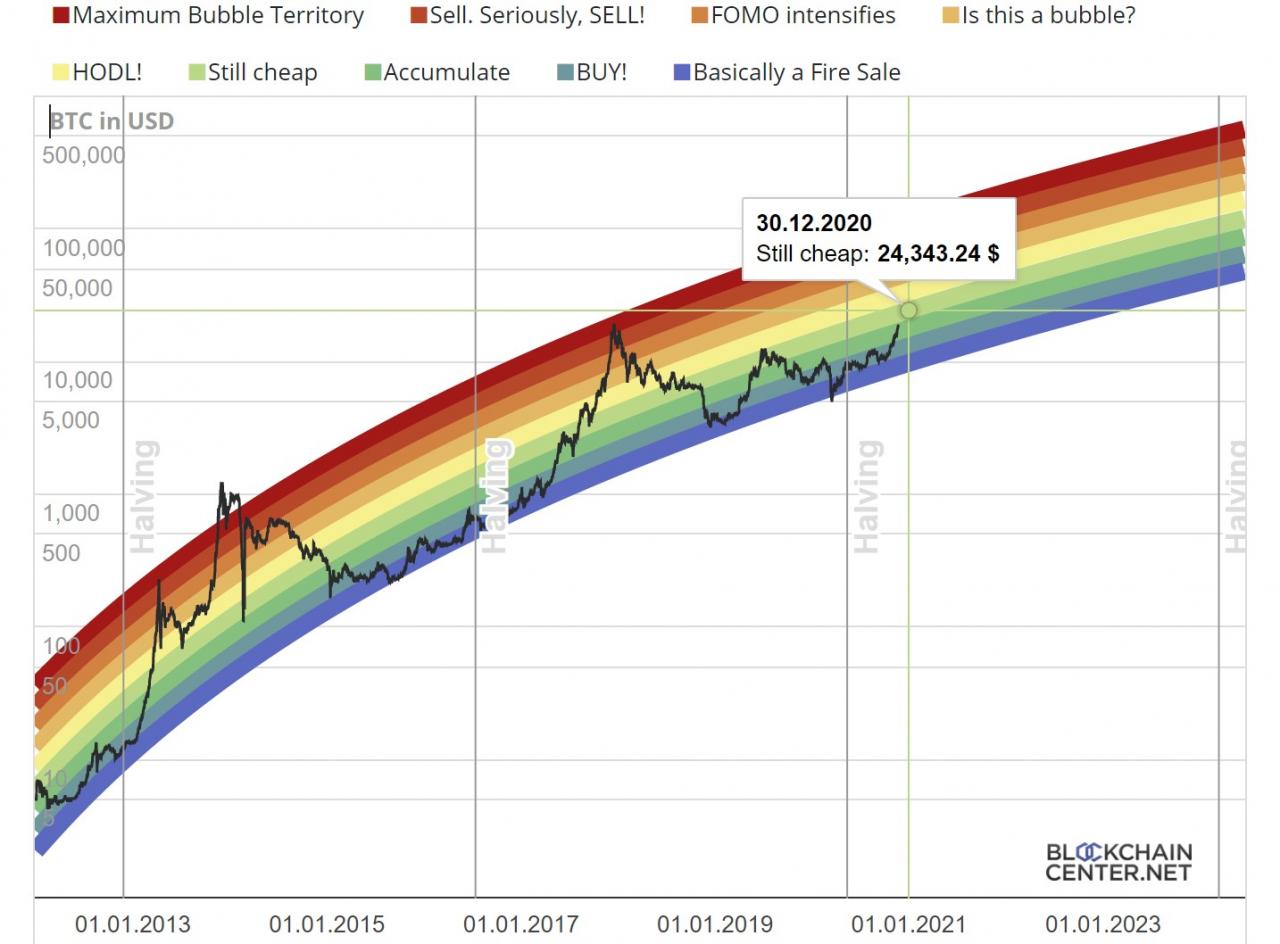
Looking back, Bitcoin has historically seen significant price jumps after major halving events. The next halving is expected in 2024, which could catalyze a price boom similar to past occurrences. The following influencers are particularly impactful in the Bitcoin market:
- Institutional Investors: The increasing interest from hedge funds and publicly traded companies is creating upward pressure on Bitcoin prices.
- Regulatory Bodies: Announcements or changes in laws can greatly affect market sentiment and price predictions.
- Technological Innovations: Developments in blockchain technology and payment systems can enhance Bitcoin’s utility and adoption, influencing its market value.
“Bitcoin remains volatile, but its fundamentals suggest a promising outlook for the coming years.”
As we approach 2025, understanding the interplay between these factors will be crucial for investors and enthusiasts alike in navigating the Bitcoin market.
Final Review
In summary, the future of bitcoin in 2025 holds both promise and uncertainty. As we analyze potential advancements, risks, and the economic landscape, it becomes clear that Bitcoin’s integration into mainstream finance will be a game-changer. Keeping an eye on these developments will be essential for anyone looking to understand the cryptocurrency’s evolving role and its implications for the global economy.
Quick FAQs
What are the expected technological advancements for Bitcoin by 2025?
Technological advancements may include protocol upgrades, enhancements in blockchain efficiency, and the incorporation of artificial intelligence in trading strategies.
How will regulatory changes affect Bitcoin in 2025?
Anticipated regulatory measures could impact market stability and adoption rates, shaping how businesses interact with Bitcoin.
What is the projected adoption rate of Bitcoin among businesses by 2025?
Statistics suggest that a significant increase in business adoption is expected, particularly in tech-savvy and progressive economies.
What are the main security concerns for Bitcoin users in 2025?
Common security threats may include cyber attacks, phishing schemes, and vulnerabilities within trading platforms and wallets.
How might environmental concerns impact Bitcoin mining practices by 2025?
Advancements in sustainable mining technologies and regulatory measures aimed at reducing energy consumption will be key themes in the mining sector.