April 22, 2026

bitcoin

Bitcoin price breakout is a fascinating phenomenon in the cryptocurrency market that draws the attention of both seasoned traders and newcomers alike. As prices surge past established resistance levels, these breakouts can signal significant profit opportunities and shifting market sentiment.

This exploration of Bitcoin price breakouts delves into the mechanics behind these movements, highlighting historical examples, key indicators, and the various factors that contribute to such dramatic changes in value. Understanding these trends is crucial for anyone looking to navigate the volatile waters of Bitcoin trading.

Understanding Bitcoin Price Breakouts

Bitcoin price breakouts refer to moments when the price of Bitcoin surpasses a significant resistance level or dips below a key support level, leading to substantial movements in the market. Recognizing these moments can help traders make informed decisions about when to buy or sell. The volatility of Bitcoin often means that these breakouts can lead to rapid gains or losses, making it essential for traders to be vigilant and informed.Price breakouts in Bitcoin often occur after extended periods of consolidation, where the price trades within a narrow range.

Historical examples include the breakout in late 2017 when Bitcoin surged from around $5,000 to nearly $20,000 in just a few months. Similarly, another notable breakout occurred in 2020, where Bitcoin’s price climbed from approximately $10,000 in September to over $40,000 by January 2021. Both instances highlight how breakouts can lead to significant price movements, although they can also result in subsequent corrections.

Indicators for Identifying Potential Breakouts

Traders utilize various indicators to identify potential breakouts in the Bitcoin market. These indicators can help forecast price movements and increase the likelihood of making profitable trades. Understanding these tools is crucial for anyone looking to engage with Bitcoin trading effectively.Common indicators include:

  • Volume Analysis: A significant increase in trading volume often accompanies a breakout, suggesting strong market interest and momentum.
  • Moving Averages: Traders look at short-term moving averages crossing above long-term moving averages as a sign of a bullish breakout.
  • Bollinger Bands: When the price approaches the upper band in a period of low volatility, it can signal that a breakout is imminent.
  • Relative Strength Index (RSI): An RSI reading above 70 may indicate that Bitcoin is overbought, while a reading below 30 can suggest it is oversold, both of which can precede breakouts.
  • Chart Patterns: Technical patterns like triangles, flags, or head and shoulders can indicate potential breakout points when the price breaks out of these formations.

Utilizing these indicators can enhance a trader’s ability to anticipate future price movements in Bitcoin. Recognizing the right conditions for a breakout can provide a critical advantage in the fast-paced cryptocurrency market.

Factors Influencing Bitcoin Price Breakouts

The dynamics of Bitcoin price movements are driven by a multitude of factors that stem from economic, political, and social contexts. Understanding these factors is crucial for investors aiming to anticipate when a breakout might occur. An analysis of these influential elements can provide clarity on the volatility and potential profitability associated with Bitcoin trading.Economic conditions play a significant role in shaping Bitcoin price breakouts.

Factors such as inflation rates, interest rates, and overall market stability can either bolster or hinder Bitcoin’s value. In times of economic uncertainty, such as during a financial crisis, Bitcoin often emerges as a preferable asset for investors seeking a hedge against currency devaluation. This was evident during the COVID-19 pandemic, where Bitcoin saw a surge in demand as a safe haven asset.

Market Sentiment and Its Influence

Market sentiment is a powerful driver of Bitcoin’s price movements. The collective feelings and attitudes of investors can lead to significant price fluctuations. A positive sentiment, often driven by favorable news or advancements in blockchain technology, can trigger a buying frenzy, resulting in a breakout. Conversely, negative news, such as regulatory crackdowns or security breaches, can instill fear, leading to sell-offs and price drops.Key aspects influencing market sentiment include:

  • News Coverage: Headlines regarding Bitcoin can sway public perception rapidly. Positive reports about institutional adoption or technological advancements can encourage buying.
  • Social Media Trends: Platforms like Twitter and Reddit often reflect and amplify market sentiment. A viral tweet can lead to widespread buying or selling among retail investors.
  • Analyst Predictions: Forecasts from financial analysts and crypto experts can shape investor opinions, with bullish predictions often leading to increased buying activity.

Institutional vs. Retail Investments

The roles of institutional and retail investors differ significantly regarding their impact on Bitcoin price breakouts. Institutional investors, such as hedge funds and publicly traded companies, typically invest larger amounts of capital, which can lead to more substantial price movements. Their investment decisions are often based on extensive research and strategic financial models, resulting in more calculated, long-term impacts on the market.Retail investors, on the other hand, tend to react more impulsively to market trends and news.

This can sometimes lead to exaggerated price movements, as their buying and selling decisions are often driven by emotions rather than fundamental analysis. The interplay between these two types of investors can create volatility and opportunities for breakouts, especially when institutional investments increase.The comparison of their influences can be summarized as follows:

  • Price Manipulation Capacity: Institutional investors can sway the market more effectively due to the volume of their trades, leading to pronounced breakouts.
  • Market Stability Contributions: Institutional investments often lead to a stabilizing effect on prices, as they are less likely to engage in panic selling.
  • Trend Amplification: Retail investors can amplify trends quickly, making them a critical factor in rapid price fluctuations.

Technical Analysis for Breakout Predictions

Technical analysis plays a crucial role in predicting Bitcoin price breakouts. By employing various tools and chart patterns, traders can identify potential breakout points and increase their chances of making profitable trades. This segment explores key technical analysis tools that aid in predicting Bitcoin breakouts, including chart patterns and moving averages.

Key Technical Analysis Tools for Breakout Predictions

Traders commonly utilize several technical analysis tools to identify breakout patterns. These tools help in analyzing price movements, volume, and other market factors. Some of the most effective tools include:

  • Support and Resistance Levels: Understanding where prices historically find support or resistance can help traders anticipate breakouts. A breakout occurs when the price moves above resistance or below support.
  • Volume Analysis: An increase in trading volume often accompanies price breakouts, indicating strong momentum. Trading volume serves as a confirmation signal for the sustainability of the breakout.
  • Chart Patterns: Various chart patterns, like triangles and flags, can signal potential breakouts. Recognizing these patterns can provide traders with entry and exit points.
  • Moving Averages: Moving averages smooth out price data to help identify trends over time. They can serve as dynamic support or resistance and signal potential breakouts when the price crosses these averages.

Chart Patterns and Historical Breakout Success Rates

Chart patterns are vital for predicting potential breakouts. Below is a table showcasing various chart patterns along with their historical breakout success rates. This data helps traders gauge the reliability of patterns in their analysis.

Chart Pattern Success Rate (%)
Head and Shoulders 85
Double Top 75
Ascending Triangle 70
Descending Triangle 65
Flag Pattern 80

Moving Averages as Breakout Signals

Moving averages are essential tools in technical analysis, often used to identify potential breakout points. When the price crosses above a moving average, it may indicate a bullish trend, suggesting a breakout opportunity. Conversely, the price crossing below a moving average can signal a bearish trend.

“The 50-day moving average crossing above the 200-day moving average is often referred to as a ‘golden cross,’ which is a strong indication of a potential bullish breakout.”

Traders often look for these crossover points in conjunction with other indicators to confirm breakout signals. For example, if a price approaches a significant resistance level while simultaneously crossing above a short-term moving average, this could amplify the likelihood of a breakout occurring. Employing these technical analysis tools and understanding their implications can significantly enhance a trader’s ability to predict Bitcoin price breakouts effectively.

Trading Strategies During Breakouts

In the dynamic world of cryptocurrency trading, breakout strategies are critical for capitalizing on price movements. When Bitcoin breaks through key resistance or support levels, the potential for profit increases significantly. Understanding and implementing effective trading strategies during these breakout moments can enhance trading success.Successful breakout trading requires a combination of anticipation, precision, and risk management. Below are key strategies that traders can utilize during breakout scenarios to maximize their opportunities while minimizing potential losses.

Trading Strategies for Breakout Situations

When trading breakouts, it’s essential to follow specific strategies that can help in executing trades effectively. Here is a list of strategies tailored for breakout situations:

  • Momentum Trading: This strategy focuses on entering the market when the price breaks through a resistance level with strong volume, suggesting the trend will continue upwards.
  • Pullback Entry: After a breakout occurs, traders may wait for a slight pullback to the breakout level before entering, allowing for a better risk-to-reward ratio.
  • Using Stop Orders: Placing buy stop orders just above the breakout level ensures that trades are executed automatically once the price moves in the desired direction.
  • Volume Confirmation: Traders should analyze volume spikes accompanying breakouts to confirm the strength of the move; higher volume indicates stronger momentum.
  • Chart Patterns: Identifying chart patterns like triangles, flags, or pennants helps in anticipating potential breakout points and defining entry strategies.

Step-by-Step Procedure for Executing Trades During a Breakout

Executing trades during a breakout involves a systematic approach. Here’s a step-by-step procedure to follow:

1. Identify Key Levels

Start by marking significant support and resistance levels on your chart to recognize where breakouts may occur.

2. Watch for Breakouts

Monitor the price action closely as it approaches these key levels, looking for strong movement beyond the identified resistance.

3. Confirm with Volume

Ensure that the breakout is accompanied by increased trading volume, which supports the likelihood of a sustained move.

4. Set Entry Points

Place buy orders slightly above the breakout level to capture the momentum. Alternatively, consider waiting for a pullback to enter the trade.

5. Define Stop-Loss Levels

Establish stop-loss orders to limit potential losses. It’s common to set these just below the breakout level or within a recent support zone.

6. Determine Profit Targets

Set profit targets based on previous highs, resistance levels, or a defined risk-to-reward ratio to guide exit strategies effectively.

7. Monitor and Adjust

Continuously monitor the trade and adjust stop-loss levels to lock in profits as the price moves favorably.

Risk Management Techniques When Trading Breakouts

Implementing solid risk management is crucial for long-term success when trading breakouts. Here are effective techniques to consider:

  • Position Sizing: Determine the size of each trade based on your overall capital and risk tolerance. A common rule is to risk no more than 1-2% of your trading account on a single trade.
  • Stop-Loss Orders: Always use stop-loss orders to limit losses in case the market moves against your position, ensuring protection against unexpected volatility.
  • Diversification: Avoid putting all your capital into a single trade or asset. Diversifying across different cryptocurrencies can help mitigate risks.
  • Regularly Review Trades: Keep a trading journal to analyze past trades, learning from both successes and failures. This reflection can inform future decisions.
  • Stay Informed: Always keep abreast of market news and developments that could impact Bitcoin and the broader cryptocurrency market, allowing for better-informed trading decisions.

Post-Breakout Scenarios

After a breakout occurs, the resultant price action can lead to significant volatility and opportunities for traders. Understanding the typical behaviors following a breakout is essential for effective trading strategies. Price movements may exhibit strong bullish trends, retracements, or even false breakouts, each requiring different approaches for capitalizing on the new market dynamics.Post-breakout price action usually manifests in a few distinct patterns.

Initially, one might observe a surge in buying momentum, driving prices higher as new traders enter the market, motivated by bullish sentiment. This is often referred to as “momentum trading.” However, it’s crucial to note that price can also experience pullbacks or consolidation as traders secure profits or reassess market conditions. Recognizing these patterns allows traders to devise strategies that align with the prevailing market sentiment and price behavior.

Strategies for Capitalizing on Post-Breakout Trends

To effectively navigate the post-breakout landscape, traders can employ several strategies that take advantage of emerging trends. Firstly, utilizing trend-following techniques can enhance entry points during bullish movements.

  • Enter on Retests: After a breakout, prices often come back to test the breakout level. Entering trades during this retracement can yield better risk-reward ratios.
  • Trailing Stops: Implementing trailing stops allows traders to lock in profits as the price continues to rise while still giving it room to move upward.
  • Scaling In: Gradually increasing positions on confirmations of strong bullish momentum can reduce risk and enhance potential rewards.

Recognizing the importance of risk management is vital. Setting stop-loss orders just below key support levels established during the breakout can protect against sudden reversals.

Potential Pitfalls After a Breakout

Traders often face several challenges after a breakout, which can lead to losses if not managed properly. Overtrading is a common pitfall, as the excitement of breakout opportunities can lead to rash decisions.

  • False Breakouts: These occur when the price appears to break out but quickly reverses. Traders should wait for confirmation through volume or additional price action before entering trades.
  • Ignoring Market Sentiment: Failing to assess broader market conditions may result in missed signals. Traders should remain aware of cryptocurrencies’ overall market trends and news influences.
  • Emotional Trading: Chasing prices or reacting impulsively can derail a trading plan. Maintaining discipline and following a predefined strategy is essential for success.

Employing a disciplined approach and adhering to a well-structured trading plan can help mitigate these risks and enhance the probability of capitalizing on post-breakout scenarios. By understanding the common price actions and implementing robust strategies, traders can navigate the complexities of breakouts with greater confidence.

Case Studies of Notable Bitcoin Breakouts

Bitcoin has experienced several significant price breakouts throughout its history, often leading to substantial market movements and investor interest. These breakouts are typically characterized by rapid increases in price, driven by various market conditions, investor sentiment, and external events. Understanding these case studies provides valuable insights into the dynamics of Bitcoin trading and market behavior.One notable aspect of Bitcoin price breakouts is how they can be influenced by both external factors, such as regulatory news and technological advancements, and internal market conditions, including trading volume and market sentiment.

The following sections detail key case studies of significant Bitcoin price breakouts, along with the surrounding market conditions and aftermath.

Case Studies Overview

The following table summarizes several notable Bitcoin breakouts, highlighting the key dates, price movements, market conditions, and aftermath. This comparison allows for a clearer understanding of different breakout scenarios and their effects on the market.

Date Price Movement Market Conditions Aftermath
December 2017 Price surged from $10,000 to nearly $20,000 Increased media coverage and retail investor interest Subsequent correction to around $6,000 by early 2018
April 2020 Price increased from $4,000 to $10,000 Halving event and institutional investment interest Continued upward trend leading to new all-time highs in late 2020
October 2020 Price jumped from $10,500 to $13,500 Growing institutional adoption and positive regulatory news Followed by a rally to $40,000 in early 2021
November 2021 Price reached an all-time high of $69,000 High retail participation and media hype Significant corrections followed, with sharp declines in early 2022

“All markets operate on the principles of supply and demand, and Bitcoin is no exception. Its price behavior during breakouts often reflects broader market sentiment and external influences.”

This table illustrates the volatility and dynamics of Bitcoin’s market behavior during key breakout events. Each breakout not only serves as a lesson in price movement but also highlights the influence of market conditions and investor psychology on the cryptocurrency landscape.

Conclusive Thoughts

In summary, Bitcoin price breakouts present both exciting opportunities and inherent risks for traders. By equipping yourself with knowledge of market indicators, trading strategies, and post-breakout scenarios, you can better position yourself to capitalize on these pivotal moments. The cryptocurrency landscape is ever-evolving, making it essential to stay informed and prepared for the next breakout.

FAQ Resource

What is a Bitcoin price breakout?

A Bitcoin price breakout occurs when the price moves beyond a defined resistance level, often leading to significant price movements.

How can traders identify a potential breakout?

Traders often use technical indicators such as moving averages, volume spikes, and chart patterns to identify potential breakouts.

What factors influence Bitcoin price breakouts?

Economic conditions, market sentiment, and major news events can all influence Bitcoin price movements and potential breakouts.

What should I do after a breakout happens?

After a breakout, traders should analyze market conditions, consider potential profit-taking strategies, and remain cautious of possible reversals.

Are all breakouts reliable?

No, not all breakouts lead to sustained price increases; it’s important to assess the market context and employ risk management strategies.
In the rapidly evolving landscape of cryptocurrencies, the bitcoin xrp chart serves as a vital tool for investors and enthusiasts alike. With Bitcoin often hailed as the pioneer of digital currencies and XRP making waves with its innovative approach to payments, understanding their price movements and market dynamics is crucial. This piece delves deep into the historical significance of both cryptocurrencies, their charting intricacies, and the factors that influence their market trajectories.

From dissecting the components of cryptocurrency charts to exploring technical analysis techniques, we aim to equip you with the insights needed to navigate the complexities of Bitcoin and XRP trading. Get ready to unravel the patterns and trends that define these two digital assets!

Overview of Bitcoin and XRP

Bitcoin and XRP stand as two prominent figures in the cryptocurrency landscape, each playing a crucial role in shaping the market. As the first decentralized digital currency, Bitcoin has paved the way for countless innovations in the blockchain space, while XRP aims to revolutionize cross-border transactions with its unique consensus algorithm. Understanding their significance requires a look into their historical origins and current market dynamics.Bitcoin, launched in 2009 by an anonymous entity known as Satoshi Nakamoto, introduced the world to blockchain technology and decentralized finance.

It was created as a response to the financial crisis, aiming to provide a peer-to-peer electronic cash system without the need for intermediaries. Over the years, Bitcoin has gained acceptance from various sectors, becoming a store of value often referred to as “digital gold.” Conversely, XRP was introduced in 2012 by Ripple Labs as a digital asset designed for facilitating real-time, cross-border payments.

With a focus on speed and low transaction costs, XRP has garnered the attention of financial institutions seeking to enhance their payment systems.

Market Capitalization and Trading Volume

When analyzing the market capitalization and trading volume of Bitcoin and XRP, it’s essential to acknowledge their respective positions within the cryptocurrency ecosystem. Bitcoin remains the largest cryptocurrency by market capitalization, often exceeding hundreds of billions of dollars, while XRP consistently ranks among the top digital assets, though its market cap is significantly lower than Bitcoin’s.The following points highlight the differences and similarities in their market dynamics:

  • Market Capitalization: Bitcoin typically holds over 40% of the total cryptocurrency market capitalization, reflecting its dominance and widespread adoption.
  • Trading Volume: Bitcoin often experiences daily trading volumes in the billions, which serves as a testament to its liquidity and investor interest.
  • XRP’s Position: XRP, while being lower in market cap compared to Bitcoin, has witnessed substantial trading volume during periods of heightened interest, particularly when partnerships with financial institutions are announced.
  • Price Volatility: Bitcoin’s price tends to be more volatile, experiencing dramatic swings that attract speculative trading, whereas XRP’s price stability is often influenced by its utility in payment solutions.

In summary, both Bitcoin and XRP serve distinct purposes within the cryptocurrency market, with Bitcoin focusing on decentralization and store of value, while XRP targets the efficiency of financial transactions across borders. Their respective historical journeys contribute to their current standings, making them crucial to any analysis of the digital currency landscape.

Understanding the Bitcoin and XRP Chart

To effectively navigate the world of cryptocurrency trading, understanding the Bitcoin and XRP chart is essential. These charts provide a visual representation of price movements, trading volume, and historical trends over various time frames, enabling traders to make informed decisions.Cryptocurrency charts typically consist of several key components: the price, volume, and time frame. The price is depicted on the vertical axis, while the time frame is represented on the horizontal axis.

Volume, which indicates the amount of cryptocurrency traded over a specific period, is often displayed as a series of bars beneath the price chart. Analyzing these elements together can help identify patterns and potential trading opportunities.

Components of a Cryptocurrency Chart

Understanding the components of a cryptocurrency chart is crucial for making sense of market dynamics. The following elements are fundamental to interpreting Bitcoin and XRP charts:

Price

This is the value of the cryptocurrency, typically displayed as a line or candlestick chart. It shows how the price has fluctuated over time.

Volume

Volume represents the total amount of the cryptocurrency traded during a specific period. High volume can indicate strong investor interest and potential price movements.

Time Frame

Charts can be viewed in various time frames, such as minutes, hours, days, or weeks. Different time frames can reveal different trends and patterns.The relationship between these components is vital for interpreting price movements. A price spike accompanied by high volume often signals strong market sentiment, while a price increase on low volume may suggest a lack of conviction.

Illustration of a Typical Bitcoin and XRP Chart Structure

To further illustrate the structure of a Bitcoin and XRP chart, consider the following detailed representation using HTML table tags. This example Artikels the key components and their arrangement on a typical chart.

Component Description
Price Axis Vertical line displaying the range of cryptocurrency prices.
Time Axis Horizontal line indicating the time intervals (e.g., minutes, hours, days).
Price Data Points Candlestick or line representation showing price movements over time.
Volume Bars Bars below the price chart indicating the trading volume for each time period.
Trend Lines Lines drawn to indicate upward, downward, or sideways trends.
Indicators Technical analysis tools (e.g., moving averages, RSI) used for deeper analysis.

Understanding this structure allows traders to analyze and interpret the data effectively. By examining price trends, volume changes, and the overall chart pattern, traders can make more informed decisions on their buying or selling strategies.

Key Factors Influencing Bitcoin and XRP Prices

The prices of Bitcoin and XRP are not solely determined by market supply and demand; they are significantly influenced by various economic, political, and social factors. Understanding these dynamics is crucial for investors and enthusiasts who seek to navigate the complexities of the cryptocurrency markets.Economic and political factors play a substantial role in shaping the value of Bitcoin and XRP.

Global economic conditions, inflation rates, and monetary policies can lead to fluctuations in cryptocurrency prices. For instance, during periods of economic uncertainty, investors may turn to Bitcoin as a “digital gold,” driving its price up. Conversely, XRP’s value can be influenced by its adoption in cross-border payments and partnerships with financial institutions.

Economic and Political Influences

Several key economic and political factors impact the prices of Bitcoin and XRP:

  • Inflation and Currency Devaluation: High inflation rates can lead to increased interest in cryptocurrencies as a hedge against traditional fiat currencies losing value. Bitcoin, in particular, has been viewed as a safe haven during such times.
  • Geopolitical Tensions: Events such as trade wars or political unrest can create uncertainty in traditional markets, often pushing investors toward cryptocurrencies for perceived stability.
  • Central Bank Policies: Decisions made by central banks regarding interest rates and quantitative easing can influence market sentiment, affecting cryptocurrency prices. For example, low-interest rates may encourage more investments in riskier assets like Bitcoin.
  • Adoption by Institutions: The growing acceptance of Bitcoin and XRP by large financial institutions can greatly impact their values, as institutional investments tend to drive prices higher due to increased legitimacy and market confidence.

Market sentiment and investor behavior are pivotal in the price dynamics of cryptocurrencies. The emotional state of the market can lead to significant price swings, often detached from underlying fundamentals.

Market Sentiment and Investor Behavior

The influence of market sentiment on cryptocurrency prices is profound and can lead to volatile trading environments. Factors influencing sentiment include:

  • Media Coverage: Positive or negative news stories can sway public perception and investor confidence, leading to rapid price changes. For instance, a favorable regulatory decision can spark buying frenzies.
  • Social Media Influence: Conversations on platforms like Twitter and Reddit can create trends that impact trading behavior. Memes and viral posts can lead to sudden surges in activity for Bitcoin or XRP.
  • Herd Behavior: Investors often follow the crowd, leading to irrational buying or selling. This can amplify price movements, as seen during market bubbles and crashes.

Regulatory changes are another major factor that profoundly affects the value of Bitcoin and XRP. The cryptocurrency market operates in a complex regulatory environment that varies widely across different jurisdictions.

Impact of Regulatory Changes

Regulatory frameworks can either bolster or hinder the growth of cryptocurrencies, affecting market confidence and investment. Key impacts include:

  • Legal Frameworks: Clear and supportive regulations can enhance investor confidence, potentially leading to increased prices. Changes in laws that favor cryptocurrency use can result in positive market reactions.
  • Government Bans: Conversely, announcements of potential bans or restrictions on cryptocurrency trading can lead to panic selling, as seen when China imposed strict regulations on cryptocurrency exchanges.
  • Tax Regulations: How governments tax cryptocurrency transactions can influence trading behavior. Favorable tax treatments may encourage more investors to enter the market, boosting prices.

Comparative Price Analysis

In the world of cryptocurrencies, Bitcoin and XRP are two of the most significant players, each exhibiting unique price trends and market behaviors. Understanding their recent price trajectories can provide valuable insights for investors looking to navigate the volatile crypto landscape. This section dives into a comparative analysis of Bitcoin and XRP’s price movements, highlighting their divergences and what they could mean for future trading strategies.To effectively analyze the price trends of Bitcoin and XRP, historical data serves as a critical reference point.

The following table summarizes the recent price movements for both cryptocurrencies, showcasing key statistics over the past month.

Date Bitcoin (BTC) Price (USD) XRP Price (USD)
September 1, 2023 $26,000 $0.55
September 15, 2023 $27,500 $0.60
September 30, 2023 $28,200 $0.65
October 15, 2023 $29,000 $0.70
October 31, 2023 $30,500 $0.75

The comparative price analysis reveals discernible trends that are crucial for understanding potential market movements. Notably, Bitcoin has shown a consistent upward trajectory over the last couple of months, with a steady increase in its price from $26,000 to $30,500. In contrast, XRP, while also experiencing growth, has shown slower price appreciation, moving from $0.55 to $0.75 within the same timeframe.

Implications of Price Divergences

The price divergence between Bitcoin and XRP carries significant implications for traders and investors. Bitcoin, often regarded as the market leader, has historically influenced the performance of altcoins, including XRP. A few key observations regarding the implications of these price trends include:

Market Sentiment

As Bitcoin’s price rises, it generally instills confidence in the broader cryptocurrency market, leading to increased investments across various altcoins, including XRP. However, if Bitcoin’s growth is significantly outpacing XRP, it could result in a shift where investors prioritize Bitcoin over altcoins, impacting XRP’s liquidity and trading volume.

Risk Management

Investors monitoring these divergences may adjust their portfolios accordingly. If Bitcoin continues to rise while XRP stagnates, investors may consider reallocating funds from XRP to Bitcoin to capitalize on higher potential returns, thereby amplifying XRP’s price volatility.

Correlation Analysis

Observing the correlation between Bitcoin and XRP prices can help in developing trading strategies. A weakening correlation might indicate that XRP is becoming less dependent on Bitcoin’s price trends. This could open opportunities for XRP to establish its own market identity and dynamics, particularly if it gains traction through technological advancements or regulatory clarity.Overall, the comparative price analysis of Bitcoin and XRP underscores the importance of monitoring price trends and divergences, as these factors can significantly impact trading strategies and investment decisions in the ever-evolving cryptocurrency landscape.

Technical Analysis Techniques

In the realm of trading cryptocurrencies like Bitcoin and XRP, technical analysis serves as a crucial tool for investors and traders alike. By evaluating price movements and trading volumes, analysts can make informed decisions about future price directions. This section delves into various technical indicators that are popular among traders for analyzing Bitcoin and XRP charts, along with a guide to applying them for future predictions.

Popular Technical Indicators

Technical indicators are essential tools in analyzing price trends and market sentiment. A robust understanding of these indicators can enhance traders’ ability to predict future price movements accurately. Here are some of the most widely used indicators:

  • Moving Averages (MA): Moving averages smooth out price data to identify trends over a specified period. Traders often use the Simple Moving Average (SMA) and the Exponential Moving Average (EMA) to gauge market momentum.
  • Relative Strength Index (RSI): This momentum oscillator measures the speed and change of price movements. It ranges from 0 to 100, typically indicating overbought conditions above 70 and oversold conditions below 30.
  • Bollinger Bands: These bands consist of a middle band (SMA) and two outer bands (standard deviations). The distance between the bands signifies market volatility, with price movements often following a bounce off the bands.
  • MACD (Moving Average Convergence Divergence): This indicator helps traders understand the relationship between two moving averages of a security’s price. It provides insights into potential buy or sell signals through its crossovers.
  • Volume: Volume indicates the total number of coins traded over a specific timeframe. High volume can signify strong market interest, making it a vital indicator for confirming trends.

Applying Indicators for Future Price Predictions

Understanding how to apply technical indicators is vital for effective trading strategies. The application of these indicators involves analyzing their signals in relation to price action. Here’s a basic guide:

  • Moving Averages: Crossovers between short-term and long-term moving averages can signal potential entry or exit points. For example, if a short-term MA crosses above a long-term MA, it may suggest a buy signal.
  • RSI Interpretation: Traders look for RSI divergences, where the price makes a new high or low, but the RSI does not. This can indicate a possible reversal in price direction.
  • Bollinger Bands Usage: When price touches or exceeds the upper band, it may indicate a possible pullback. Conversely, a drop to the lower band may indicate a price reversal opportunity.
  • MACD Signals: A bullish signal occurs when the MACD line crosses above the signal line, while a bearish signal happens when it crosses below. Traders can use these crossovers to enter or exit trades.
  • Volume Confirmation: High trading volume during a price increase supports the continuation of a trend, while low volume can signal a potential reversal.

Patterns in Bitcoin and XRP Price Movements

Recognizing specific patterns can provide valuable insights into potential future price movements. Here are some common patterns to watch in Bitcoin and XRP price movements:

  • Head and Shoulders: This reversal pattern indicates a potential change in trend direction. A classic head and shoulders formation appears at market tops, while an inverse pattern occurs at market bottoms.
  • Double Tops and Bottoms: These patterns suggest potential reversals. A double top occurs after an uptrend, signaling a bearish reversal, while a double bottom happens after a downtrend, indicating a bullish reversal.
  • Triangles: Ascending, descending, and symmetrical triangles signify consolidation patterns that often precede strong price movements. Breakouts from these patterns can lead to significant trends.
  • Flags and Pennants: Both patterns indicate continuation of the existing trend. Flags appear as rectangular shapes that slope against the prevailing trend, while pennants are small symmetrical triangles following a strong price movement.

“Technical analysis is not about predicting the future; it’s about understanding the past and how it can influence the present.”

Market Trends and Predictions

The cryptocurrency market is an ever-evolving landscape, and understanding the trends that shape Bitcoin and XRP is crucial for investors. With the rise of decentralized finance (DeFi) and an increasing interest in blockchain technology, both Bitcoin and XRP are poised to experience significant movements in the near future. Analyzing current data allows us to forecast potential future scenarios for these digital assets.Emerging trends indicate that institutional interest in cryptocurrencies has surged, with many companies and investment funds allocating portions of their portfolios to Bitcoin and XRP.

This shift has the potential to drive prices higher as demand increases. Additionally, regulatory clarity around cryptocurrencies is becoming more pronounced, impacting market dynamics and investor confidence.

Potential Future Price Scenarios

Several factors contribute to the future pricing of Bitcoin and XRP, including market sentiment, regulatory developments, and macroeconomic conditions. Based on current trends and expert analysis, here are some potential scenarios for the next year:

Bitcoin Price Scenario

Analysts predict Bitcoin could reach a price range between $70,000 to $100,000, depending largely on institutional adoption and market trends. The introduction of Bitcoin ETFs and growing acceptance by mainstream financial institutions could catalyze this growth.

XRP Price Scenario

XRP’s price may see fluctuations based on its ongoing legal battles and adoption within the financial sector. Predictions suggest a range of $1.50 to $3.00, influenced by the outcome of regulatory decisions and partnerships with banks.To summarize expert predictions for Bitcoin and XRP over the next year, the following table illustrates the expected price ranges:

Cryptocurrency Expert Prediction Price Range Key Influencing Factors
Bitcoin (BTC) $70,000 – $100,000 Institutional adoption, Bitcoin ETFs, market sentiment
XRP $1.50 – $3.00 Regulatory outcomes, bank partnerships, market dynamics

In conclusion, understanding these market trends and predictions can help investors navigate the complexities of the cryptocurrency market. By staying informed about potential price scenarios and the key factors that influence them, one can make better-informed investment decisions.

Investment Strategies

Investing in cryptocurrencies like Bitcoin and XRP requires a well-thought-out strategy to maximize returns while managing risks. As these digital assets can be highly volatile, having a clear plan is crucial for any investor looking to navigate the complexities of the market. This section covers effective investment strategies, risk management techniques, and a step-by-step procedure to set up a successful cryptocurrency trading portfolio.

Effective Investment Strategies for Bitcoin and XRP

Developing an effective investment strategy involves understanding market dynamics and recognizing opportunities for growth. Key strategies include dollar-cost averaging, diversification, and setting clear investment goals. Dollar-cost averaging involves investing a fixed amount of money at regular intervals, which helps mitigate the impact of market volatility. By purchasing Bitcoin and XRP consistently over time, investors can average out the purchase price, reducing the risk of buying at a peak.Diversification is essential in cryptocurrency investments.

Allocating funds across various assets, including Bitcoin, XRP, and other altcoins, can help spread risk. This strategy protects your portfolio from significant losses if one asset underperforms.Setting clear investment goals is also critical. Investors should determine their risk tolerance, time horizon, and desired returns. A well-defined goal guides decision-making and helps investors maintain focus during market fluctuations.

Risk Management Techniques

Effective risk management is paramount when investing in cryptocurrencies, as it helps to safeguard your capital. Key techniques include setting stop-loss orders, maintaining a balanced portfolio, and regularly reviewing investments.Stop-loss orders automatically sell your assets when they reach a predetermined price, minimizing potential losses. This strategy is particularly useful in the volatile cryptocurrency market, as it can help prevent emotional decision-making during downturns.Maintaining a balanced portfolio involves regularly assessing your asset allocation and making adjustments as needed.

By ensuring that no single investment represents an excessively large portion of your portfolio, you can reduce overall risk exposure.Regular reviews of your investments allow you to stay informed about market conditions and adjust your strategy accordingly. This practice ensures that your investment approach remains relevant and aligned with your goals.

Step-by-Step Procedure for Setting Up a Cryptocurrency Trading Portfolio

Creating a cryptocurrency trading portfolio involves several steps to ensure it aligns with your investment strategy and risk tolerance. Here’s a systematic approach:

1. Research and Choose a Reliable Exchange

Select a reputable cryptocurrency exchange that offers the assets you wish to trade. Look for factors such as security, fees, and user experience.

2. Create and Verify Your Account

Sign up for an account on the chosen exchange. Completing the verification process is essential to comply with regulatory requirements and enhance your account’s security.

3. Secure Your Investments

Consider using hardware wallets for long-term holdings. This step significantly reduces the risk of hacks and theft associated with online exchanges.

4. Develop Your Investment Strategy

Based on your research and risk tolerance, Artikel your investment strategy. Decide on the proportion of Bitcoin, XRP, and other assets you wish to include in your portfolio.

5. Start Investing

With your strategy in place, begin executing your trades according to the plan. Implement dollar-cost averaging or other strategies that suit your goals.

6. Monitor and Adjust Your Portfolio

Regularly review your portfolio’s performance and make adjustments as needed. Stay informed about market trends and news affecting Bitcoin and XRP prices.

7. Document Your Trades

Keep a detailed record of your trades, including dates, amounts, and prices. This documentation aids in tracking performance and tax reporting.By following these steps, investors can create a well-structured cryptocurrency trading portfolio that aligns with their financial goals while effectively managing risk.

Closure

In conclusion, the bitcoin xrp chart not only reflects the past but also provides a glimpse into the future of cryptocurrency investing. By understanding the historical context, current market trends, and potential investment strategies, traders can make informed decisions. As the crypto market continues to evolve, staying informed and adaptable will be key to success.

FAQ Insights

What is the significance of the bitcoin xrp chart?

The bitcoin xrp chart helps investors track price movements and understand market dynamics between these two cryptocurrencies.

How often should I check the bitcoin xrp chart?

It’s advisable to check the chart regularly, especially if you are actively trading or investing, to stay updated on price trends.

What indicators are best for analyzing the bitcoin xrp chart?

Common indicators include moving averages, RSI, and MACD, which help in predicting future price movements.

Can I use the bitcoin xrp chart for long-term investments?

Yes, the chart can provide insights for both short-term trading and long-term investment strategies.

What factors can cause price fluctuations in the bitcoin xrp chart?

Price fluctuations can be influenced by market sentiment, regulatory changes, and economic developments affecting the cryptocurrency landscape.

Kicking off with bitcoin in 2025, the landscape of cryptocurrency is poised for transformation. From advanced technologies to evolving regulatory frameworks, the next few years promise exciting developments for Bitcoin. As it integrates into the global economy, understanding these shifts will be crucial for investors, users, and businesses alike.

The rise of Bitcoin adoption among various demographics, its technological upgrades, and the ongoing discourse about security will shape its trajectory. With a closer look at potential challenges and opportunities, we can better navigate the future of Bitcoin in this ever-changing digital world.

Future Trends of Bitcoin in 2025

In the ever-evolving landscape of cryptocurrencies, Bitcoin continues to lead the charge as we move towards 2025. Several trends are emerging that will likely shape its trajectory, driven by technological advancements, economic factors, and regulatory changes. Understanding these elements is crucial for investors and enthusiasts who wish to navigate the future of Bitcoin effectively.Technological advancements will play a significant role in the future of Bitcoin.

With improvements in blockchain technology and increased scalability solutions, Bitcoin may become more efficient and user-friendly. Innovations like the Lightning Network aim to facilitate faster transactions, allowing Bitcoin to be used for everyday purchases, thereby increasing its adoption. These advancements are vital as they help lower transaction costs and improve the overall user experience, making Bitcoin a more attractive option for consumers and merchants alike.

Economic Factors Influencing Bitcoin’s Value

Several economic factors are anticipated to impact Bitcoin’s value over the next few years. Recognizing these aspects will provide insight into Bitcoin’s future market behavior.

Inflation Rates

As central banks around the world continue to implement monetary policies that may lead to inflation, Bitcoin is often viewed as a hedge against currency devaluation. Increased demand for Bitcoin as a store of value could drive up its price.

Institutional Adoption

The growing interest from institutional investors, such as hedge funds and publicly traded companies, is likely to bolster Bitcoin’s legitimacy. This trend has already been observed, with major corporations investing in Bitcoin, thus influencing its market dynamics.

Market Sentiment

Speculation and market trends heavily influence Bitcoin’s price. Positive news, such as major companies accepting Bitcoin, can drive prices up, while negative events, like security breaches or regulatory uncertainties, may lead to declines.

Regulatory Developments Expected by 2025

The regulatory landscape surrounding Bitcoin is continuously evolving, and anticipated changes will significantly affect its usage and value.

Global Regulation

Governments worldwide are working on frameworks to regulate cryptocurrencies. Stricter regulations may lead to greater market stability and increased trust among investors, while overly restrictive measures could hamper innovation and adoption.

Taxation Policies

Changes in taxation laws regarding cryptocurrency transactions are expected, influencing how investors approach Bitcoin. Clearer tax guidelines could lead to higher compliance and acceptance among users.

Consumer Protection Laws

Enhanced consumer protection measures may emerge, addressing issues like fraud and security. This will help protect investors while fostering a safer trading environment for Bitcoin.By monitoring these future trends, stakeholders can better position themselves in the Bitcoin market as it continues to evolve towards 2025.

Bitcoin Adoption Rates by 2025

As Bitcoin continues to mature, its adoption among businesses and individual users is shaping the financial landscape. By 2025, projections suggest a significant increase in the number of businesses integrating Bitcoin into their payment systems, reflecting a broader acceptance of cryptocurrency in everyday transactions. Understanding these trends provides insight into the growing relevance of Bitcoin.The adoption of Bitcoin by businesses is on a rapidly upward trajectory.

By 2025, it is estimated that over 20% of global businesses will accept Bitcoin as a legitimate form of payment. This shift is largely driven by the increasing demand for alternative payment methods, especially in sectors like e-commerce and technology. Additionally, major companies such as Microsoft and Tesla have already paved the way by integrating Bitcoin into their payment options, serving as powerful examples for smaller businesses.

Statistics on Bitcoin Adoption Among Businesses

The trend of businesses adopting Bitcoin is influenced by various factors, including ease of payment, lower transaction fees, and the potential for reaching a broader customer base. Here are some compelling statistics that highlight the growing adoption of Bitcoin among businesses:

  • Approximately 30% of small to medium-sized enterprises (SMEs) are expected to accept Bitcoin payments by 2025.
  • Over 50% of online retailers are projected to offer Bitcoin as a payment option within the next few years.
  • In a recent survey, around 40% of businesses indicated interest in integrating Bitcoin into their payment systems to attract tech-savvy customers.

The demographic trends of Bitcoin users further illustrate the expanding reach of cryptocurrency. Initially popular among tech enthusiasts and early adopters, Bitcoin’s user base is diversifying significantly. By 2025, it is anticipated that a more balanced demographic representation will emerge, including:

Demographic Trends of Bitcoin Users

The evolving demographic profile of Bitcoin users indicates a shift towards mainstream acceptance. Here are key insights into these trends:

  • Users aged 18 to 34 are expected to make up nearly 60% of Bitcoin holders, showcasing the interest of younger generations in digital currencies.
  • Women are projected to account for a growing percentage of Bitcoin users, with estimates suggesting their involvement will reach 30% by 2025.
  • Emerging markets, particularly in Southeast Asia and Africa, are seeing a surge in Bitcoin adoption, attributed to economic instability and the need for alternative financial solutions.

Global events have a significant impact on Bitcoin adoption. Economic crises, regulatory changes, and technological advancements often drive users towards cryptocurrency as a viable alternative to traditional finance. The COVID-19 pandemic, for example, accelerated digital transformation and increased interest in cryptocurrencies as people sought new ways to manage their finances.

Influence of Global Events on Bitcoin Adoption

The following points emphasize how global events shape Bitcoin adoption rates:

  • During economic downturns, such as the one prompted by the pandemic, Bitcoin often serves as a hedge against inflation, leading to increased interest and investment.
  • Regulatory shifts, such as more favorable stances from countries like El Salvador, which adopted Bitcoin as legal tender, encourage other nations to explore similar paths.
  • Technological advancements in blockchain and security features bolster user confidence, making Bitcoin more appealing amidst global uncertainties.

As Bitcoin continues to evolve, its adoption rates among businesses and users are expected to reflect the growing integration of digital currencies into everyday life. The convergence of demographic trends and global events will further solidify Bitcoin’s position as a mainstream financial asset.

Bitcoin’s Role in Global Economy in 2025

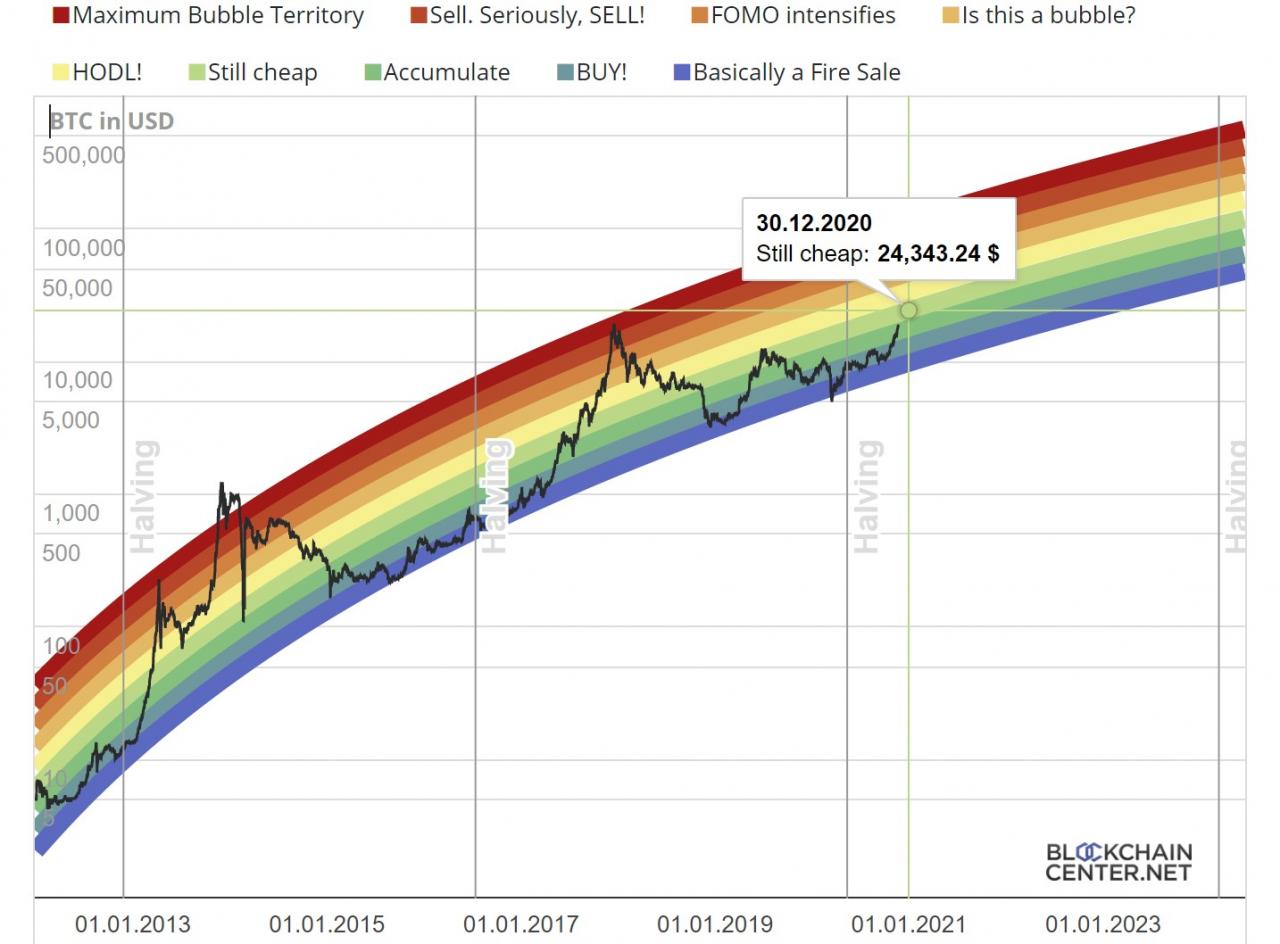
Bitcoin Price Usd 2025 Chart - Holly Du Faur

As we approach 2025, Bitcoin’s influence on the global economy is increasingly becoming evident. The integration of Bitcoin into traditional financial systems is paving the way for a dynamic shift in how transactions and value exchanges occur worldwide. With growing acceptance and regulatory frameworks being established, Bitcoin is positioned not merely as a digital asset but as a fundamental component of the global economic structure.The potential integration of Bitcoin into traditional financial systems is being facilitated by advancements in blockchain technology and growing interest from institutional investors.

Financial institutions are exploring ways to incorporate Bitcoin into their offerings, which includes creating Bitcoin-backed financial products, payment solutions, and even custody services. This deeper integration can lead to a more efficient transaction process and lower costs for businesses and consumers alike, ultimately enhancing Bitcoin’s credibility and usability as a currency.

Comparison of Bitcoin and Fiat Currencies in 2025

In 2025, the contrasting roles of Bitcoin and fiat currencies will be more pronounced as the former gains traction as a viable alternative. While fiat currencies continue to dominate day-to-day transactions, Bitcoin’s unique attributes foster an environment where it can coexist and compete effectively. Bitcoin is characterized by its decentralized nature, limited supply, and potential for appreciation, which contrasts sharply with fiat currencies that can be subject to inflation and government control.

As a result, many investors view Bitcoin as a hedge against economic instability. Here are some notable aspects of this comparison:

  • Decentralization: Bitcoin operates on a peer-to-peer network without central authority, allowing for transactions that are secure and transparent.
  • Inflation Resistance: With a capped supply of 21 million coins, Bitcoin inherently protects against inflation, unlike fiat currencies that can be printed at will.
  • Transaction Fees: Bitcoin transactions can be more cost-effective than traditional bank transfers, particularly for cross-border payments.
  • Access to Financial Services: Bitcoin enables unbanked populations to participate in the financial system, breaking barriers that fiat systems often maintain.

As Bitcoin continues to mature, its adoption rates are expected to increase significantly, leading to more individuals and businesses opting for Bitcoin transactions over traditional fiat currencies.

Leading Countries in Bitcoin Usage and Legislation

Several countries have emerged as frontrunners in the adoption and regulation of Bitcoin, creating environments conducive to its growth and innovation. These nations have recognized the potential of Bitcoin not just as a digital currency, but as a tool for economic advancement.Countries leading in Bitcoin usage and legislation include:

  • El Salvador: The first country to adopt Bitcoin as legal tender, allowing businesses to accept it alongside the US dollar.
  • Switzerland: Known for its crypto-friendly regulations, Switzerland offers a stable legal framework that encourages blockchain innovations.
  • Singapore: With a robust regulatory framework, Singapore has become a global hub for cryptocurrency exchanges and blockchain companies.
  • United States: The US is home to a significant number of Bitcoin users and exchanges, with varying state-level regulations that are evolving to accommodate digital currencies.

The legislative advancements and increased adoption in these countries illustrate the shifting landscape towards recognizing Bitcoin’s role in the global economy, suggesting a promising future for this digital asset.

Technological Innovations Impacting Bitcoin in 2025

As Bitcoin continues to evolve, its technological backbone is undergoing significant upgrades that could reshape the landscape of digital currency. By 2025, several innovations are expected to enhance the Bitcoin protocol, improve transaction efficiency, and integrate advanced technologies into trading practices, ensuring Bitcoin remains a dominant player in the cryptocurrency market.

Potential Upgrades to the Bitcoin Protocol

Enhancements to the Bitcoin protocol are crucial for addressing scalability issues and improving transaction speeds. Key upgrades anticipated include:

  • Taproot Implementation: This upgrade aims to enhance privacy, flexibility, and efficiency in Bitcoin transactions. By enabling more complex transactions to be executed off-chain, Taproot will significantly lower fees and increase transaction speeds.
  • Lightning Network Expansion: The Lightning Network allows for off-chain transactions, facilitating quicker, lower-cost payments. A broader implementation in 2025 could lead to increased transaction volumes and further mainstream adoption.
  • Improved Smart Contract Capabilities: With advancements in smart contract technology, Bitcoin may support more sophisticated decentralized applications (dApps), enhancing its functionality beyond mere currency transfer.

Impact of Blockchain Technology Advancements on Bitcoin

The progression of blockchain technology is set to have a profound impact on Bitcoin’s overall use and acceptance. Innovations in this realm are critical for improving security, interoperability, and transaction processing times. Notable advancements include:

  • Interoperability Solutions: Techniques such as cross-chain atomic swaps may emerge, allowing Bitcoin to interact seamlessly with other blockchain networks, broadening its utility.
  • Enhanced Security Protocols: The introduction of advanced cryptographic methods will bolster transaction security, making Bitcoin less susceptible to hacks and fraud.
  • Decentralized Finance (DeFi) Integration: As DeFi continues to expand, Bitcoin could be harnessed within various DeFi platforms, allowing users to earn interest, lend, or borrow using their Bitcoin holdings.

Role of Artificial Intelligence and Big Data in Bitcoin Trading

Artificial intelligence (AI) and big data are poised to transform Bitcoin trading strategies significantly. These technologies can provide traders with deeper insights and more effective decision-making tools. Key highlights include:

  • Predictive Analytics: AI algorithms can analyze vast amounts of data to predict market trends and price movements, allowing traders to make informed decisions based on data-driven insights.
  • Automated Trading Systems: With the rise of AI-powered trading bots, traders can execute trades automatically based on predefined criteria, improving efficiency and time management.
  • Sentiment Analysis: By leveraging big data, traders can gauge market sentiment from social media and news sources, informing them of potential market shifts before they occur.

“Technological advancements in Bitcoin are not just about improving speed and efficiency; they are about redefining the very experience of cryptocurrency trading.”

Security and Risk Factors for Bitcoin in 2025

As Bitcoin continues to evolve, the landscape of security threats and risk factors becomes increasingly complex. In 2025, numerous potential security threats will challenge Bitcoin users, which could impact their assets and the broader market. Understanding these risks and implementing effective security measures will be crucial for protecting investments and ensuring the stability of the Bitcoin ecosystem.Cyber attacks present a significant challenge to Bitcoin security, with various methods employed by malicious actors.

One of the primary threats includes phishing schemes, where attackers impersonate legitimate services to steal user credentials. Additionally, ransomware attacks have become more common, potentially leading to substantial financial losses for individuals and businesses alike. Furthermore, the rise of quantum computing poses a looming risk, as it could potentially break existing cryptographic algorithms that secure Bitcoin transactions.

Enhancing Bitcoin Security

To mitigate the risks associated with Bitcoin transactions, various measures can be taken to enhance security. Implementing robust security protocols is essential for safeguarding digital assets. The following strategies can significantly improve Bitcoin security for users:

  • Utilizing hardware wallets is crucial for securely storing private keys offline, reducing exposure to online threats.
  • Enabling two-factor authentication (2FA) adds an additional layer of security by requiring a second form of verification during transactions.
  • Regularly updating software and applications helps protect against vulnerabilities that could be exploited by attackers.
  • Educating users about phishing scams and recognizing suspicious activities can empower them to avoid falling victim to fraud.

In addition to these individual security measures, the entire Bitcoin ecosystem must prioritize security enhancements. This includes software developers continually upgrading the underlying protocols and infrastructure to stay ahead of emerging threats.

Implications of Cyber Attacks on Market Stability

The occurrence of cyber attacks can have profound implications for the stability of the Bitcoin market. Major breaches can erode user confidence, leading to panic selling and drastic price fluctuations. The market’s inherent volatility may be exacerbated by such incidents, as investors react to the perceived risks associated with their investments.For example, the 2021 Colonial Pipeline ransomware attack led to significant disruptions, highlighting how cyber threats can extend beyond individual users to impact entire markets.

If attackers successfully target major exchanges or wallets, the fallout could result in substantial financial ramifications, affecting liquidity and overall market health.Moreover, consistent threats may drive regulatory changes, as governments seek to impose stricter guidelines aimed at protecting consumers. While regulation can enhance security, it can also create uncertainty within the market, influencing investment behaviors and overall adoption rates.In conclusion, as the Bitcoin landscape evolves in 2025, addressing security and risk factors will be paramount.

By implementing effective strategies and acknowledging the broader implications of cyber threats, users and stakeholders can work together to foster a more secure and stable environment for Bitcoin.

Environmental Impact of Bitcoin Mining in 2025

The environmental impact of Bitcoin mining has been a hot topic of discussion as the cryptocurrency continues to gain traction globally. By 2025, advancements in sustainable mining practices, along with regulatory measures, have significantly altered the landscape of Bitcoin mining, raising awareness about its energy consumption and ecological footprint.Innovation in sustainable mining practices has emerged as a response to the growing concerns surrounding Bitcoin’s environmental impact.

Miners are increasingly adopting renewable energy sources, such as solar, wind, and hydroelectric power, to reduce their carbon footprint. The shift towards green energy not only helps minimize environmental degradation but also mitigates the volatility associated with energy prices. Major mining operations have started to set up their facilities near renewable energy plants, optimizing energy use and ensuring that their operations are eco-friendly.

Impact of Bitcoin Mining on Global Energy Consumption

The impact of Bitcoin mining on global energy consumption has become increasingly significant. As the demand for Bitcoin has surged, so has the energy required to mine it. In 2025, estimates suggest that Bitcoin mining consumes approximately 0.5% of the world’s total electricity, a staggering figure that highlights the resource intensity of this process. To provide context, here are key factors contributing to this energy demand:

  • Increased hash rates due to competition among miners, leading to higher energy inputs.
  • The geographical shift of mining operations to regions with cheaper electricity, often found in areas that rely heavily on fossil fuels.
  • The reliance on energy-intensive mining rigs and cooling systems, which exacerbate energy consumption.

The collective energy consumption of Bitcoin mining poses a challenge to global efforts aimed at reducing greenhouse gas emissions. Many environmental organizations emphasize the need for a balance between technological advancement and ecological responsibility.

Regulatory Measures Addressing Environmental Concerns in Mining

In response to the environmental issues associated with Bitcoin mining, governments and regulatory bodies worldwide are implementing measures to promote sustainability in the industry. These regulations are designed to encourage miners to adopt greener practices while holding them accountable for their energy consumption.Key regulatory measures include:

  • Imposition of carbon taxes on mining operations that rely on non-renewable energy sources.
  • Incentives for miners who utilize renewable energy, such as tax breaks or grants for sustainable innovations.
  • Implementation of energy efficiency standards that mining operations must adhere to in order to operate legally.

These measures reflect a growing acknowledgment of the environmental consequences of Bitcoin mining, pushing the industry toward a more sustainable future.

As the cryptocurrency landscape evolves, it is essential for Bitcoin mining to adapt to meet both economic and ecological demands.

Predictions for Bitcoin Price in 2025

The landscape of Bitcoin pricing is always evolving, influenced by a myriad of factors including market sentiment, regulatory changes, and technological advancements. As we look to 2025, expert predictions on Bitcoin’s price range from conservative estimates to wildly optimistic forecasts, indicating a potential for significant volatility and opportunity.Analysts have observed historical price movements to better gauge future trends. The pattern of Bitcoin’s price has shown a tendency for sharp increases followed by corrections, creating a cycle that investors have learned to navigate.

Comparing past bull and bear markets provides essential context for price forecasts as the market matures.

Expert Predictions and Market Influencers

Several influential market analysts and institutions have made predictions about Bitcoin’s price trajectory in 2025. These forecasts are shaped by various factors, including macroeconomic indicators, adoption rates, and technological developments.

Bullish Predictions

Some experts predict that Bitcoin could reach between $100,000 to $250,000 by 2025. This optimistic view is often supported by the increasing scarcity of Bitcoin due to its capped supply of 21 million coins and rising institutional adoption.

Conservative Estimates

Others suggest more moderate growth, estimating that Bitcoin might stabilize around $50,000 to $75,000. This perspective considers potential regulatory hurdles and competition from emerging cryptocurrencies.

Historical Trends

Looking back, Bitcoin has historically seen significant price jumps after major halving events. The next halving is expected in 2024, which could catalyze a price boom similar to past occurrences. The following influencers are particularly impactful in the Bitcoin market:

  • Institutional Investors: The increasing interest from hedge funds and publicly traded companies is creating upward pressure on Bitcoin prices.
  • Regulatory Bodies: Announcements or changes in laws can greatly affect market sentiment and price predictions.
  • Technological Innovations: Developments in blockchain technology and payment systems can enhance Bitcoin’s utility and adoption, influencing its market value.

“Bitcoin remains volatile, but its fundamentals suggest a promising outlook for the coming years.”

As we approach 2025, understanding the interplay between these factors will be crucial for investors and enthusiasts alike in navigating the Bitcoin market.

Final Review

In summary, the future of bitcoin in 2025 holds both promise and uncertainty. As we analyze potential advancements, risks, and the economic landscape, it becomes clear that Bitcoin’s integration into mainstream finance will be a game-changer. Keeping an eye on these developments will be essential for anyone looking to understand the cryptocurrency’s evolving role and its implications for the global economy.

Quick FAQs

What are the expected technological advancements for Bitcoin by 2025?

Technological advancements may include protocol upgrades, enhancements in blockchain efficiency, and the incorporation of artificial intelligence in trading strategies.

How will regulatory changes affect Bitcoin in 2025?

Anticipated regulatory measures could impact market stability and adoption rates, shaping how businesses interact with Bitcoin.

What is the projected adoption rate of Bitcoin among businesses by 2025?

Statistics suggest that a significant increase in business adoption is expected, particularly in tech-savvy and progressive economies.

What are the main security concerns for Bitcoin users in 2025?

Common security threats may include cyber attacks, phishing schemes, and vulnerabilities within trading platforms and wallets.

How might environmental concerns impact Bitcoin mining practices by 2025?

Advancements in sustainable mining technologies and regulatory measures aimed at reducing energy consumption will be key themes in the mining sector.

Bitcoin dominance plays a pivotal role in the cryptocurrency landscape, serving as a barometer for the health and direction of the market. This metric not only helps investors gauge Bitcoin’s market strength relative to other cryptocurrencies but also reflects broader market sentiment and trends.

As the original and most recognized cryptocurrency, Bitcoin often influences investor behavior and market dynamics, making understanding its dominance essential for anyone navigating the crypto space. By analyzing historical data and current trends, we can uncover insights into how Bitcoin maintains its position and what that means for altcoins and future market developments.

Overview of Bitcoin Dominance

Bitcoin dominance refers to the percentage of the total cryptocurrency market capitalization that is attributed to Bitcoin. This metric serves as a significant indicator of Bitcoin’s market strength relative to other cryptocurrencies, often reflecting investor sentiment and market trends. Higher dominance suggests that Bitcoin is leading the market, while lower dominance may indicate that altcoins are gaining traction.The calculation of Bitcoin dominance involves dividing Bitcoin’s market capitalization by the total market capitalization of all cryptocurrencies combined.

It is typically expressed as a percentage and is tracked over time through various financial platforms and analytical tools. Analysts and investors monitor changes in Bitcoin dominance to gauge market conditions and potential shifts in investment strategies.

Historical Trends of Bitcoin Dominance

Examining the historical trends of Bitcoin dominance reveals its volatile nature and the evolving landscape of the cryptocurrency market. Over the years, Bitcoin’s dominance has fluctuated, influenced by various factors including technological developments, regulatory changes, and the emergence of new cryptocurrencies.In its early days, Bitcoin enjoyed a significantly high dominance, often exceeding 90%. However, as the cryptocurrency market expanded with the introduction of altcoins such as Ethereum and Ripple, Bitcoin’s dominance began to decline.

  • In 2017, Bitcoin dominance fell to around 38% during the ICO boom, when numerous new projects attracted substantial investment.
  • By 2020, Bitcoin regained strength due to institutional interest and macroeconomic factors like inflation concerns, pushing dominance back above 60%.
  • As of late 2021, Bitcoin’s dominance hovered around 40-50%, reflecting the growing popularity of decentralized finance (DeFi) and non-fungible tokens (NFTs).

The ongoing trends suggest that while Bitcoin remains a dominant player, the rise of alternative cryptocurrencies continues to challenge its market share. The competition among various blockchain technologies and their use cases will likely keep influencing Bitcoin’s dominance in the future.

Bitcoin dominance serves as a barometer for investor confidence in both Bitcoin and the cryptocurrency market overall.

Factors Influencing Bitcoin Dominance

Bitcoin dominance | BTC Markets

The cryptocurrency market is a dynamic landscape where Bitcoin often plays a pivotal role. Understanding the factors that influence Bitcoin dominance is crucial for investors and enthusiasts alike. Various elements come into play that can elevate or diminish Bitcoin’s share of the total cryptocurrency market capitalization.Market sentiment is one of the most significant influences on Bitcoin dominance. This sentiment can fluctuate based on news, events, and overall market trends, resulting in rapid changes in investor behavior.

When the market sentiment is bullish, investors tend to flock towards Bitcoin, viewing it as a safer bet, thus increasing its dominance. Conversely, during bearish periods, altcoins can gain traction, diverting investments away from Bitcoin.

Impact of Market Sentiment on Bitcoin Dominance

Market sentiment acts as a barometer for how investors perceive Bitcoin relative to other cryptocurrencies. Here are some key aspects of how it influences dominance:

  • News Influence: Positive news, such as institutional adoption or regulatory clarity, can drive more investments into Bitcoin, enhancing its dominance.
  • Fear and Greed Index: This metric gauges investor sentiment and can indicate whether Bitcoin is likely to rise or fall. High fear can lead to a sell-off, while greed can spur buying.
  • Social Media Trends: Platforms like Twitter and Reddit can amplify sentiment, causing rapid shifts in Bitcoin’s perceived value and dominance.

Role of Altcoins in Influencing Bitcoin Dominance

Altcoins, or alternative cryptocurrencies to Bitcoin, play a significant role in the shifting landscape of market dominance. Their emergence and popularity can directly impact Bitcoin’s market share. The rise of various altcoins often leads to a redistribution of investment capital within the cryptocurrency market. When altcoins demonstrate technological advancements or serve unique use cases, they can attract attention and capital away from Bitcoin.

For example, platforms like Ethereum have introduced smart contracts, providing functionalities that Bitcoin does not.Here are factors highlighting the influence of altcoins on Bitcoin dominance:

  • Market Cap Comparison: As altcoins gain market capitalization, they can reduce Bitcoin’s overall dominance. For instance, during 2021, Ethereum’s rise saw its market cap surpassing $200 billion, representing a significant chunk of the total market, thereby affecting Bitcoin’s share.
  • Investment Diversification: Investors often diversify their portfolios to include altcoins, seeking higher returns. This spreading of funds can contribute to a decline in Bitcoin dominance.
  • Innovative Features: Altcoins often introduce innovative features that appeal to specific market segments, leading to increased investment in those areas and a subsequent decrease in Bitcoin’s dominance.

The interplay between Bitcoin and altcoins illustrates the complexity of the cryptocurrency market, where shifts in sentiment and innovation can lead to notable changes in Bitcoin’s dominance.

Bitcoin Dominance vs. Altcoin Performance

In the ever-evolving cryptocurrency market, the relationship between Bitcoin dominance and altcoin performance plays a critical role in shaping investment strategies. Historically, Bitcoin has often been viewed as the bellwether for the entire crypto market. Understanding how Bitcoin’s market position impacts altcoins can provide valuable insights for both seasoned investors and newcomers alike.During various market phases, the performance of Bitcoin relative to major altcoins reveals patterns that can be informative for investors.

Typically, when the crypto market is bullish, altcoins tend to outperform Bitcoin, reflecting a shift of investment interest towards these alternative coins. Conversely, in bearish conditions, Bitcoin often retains its dominance as investors flock to what they perceive as a safer asset. This correlation highlights the behavioral dynamics within the cryptocurrency landscape, where risk appetite influences asset allocation.

Market Phases and Performance Dynamics

The performance of Bitcoin and altcoins varies significantly across different market conditions. Here’s an overview of how these dynamics manifest:

1. Bull Market Phase

In a strong bull market, altcoins frequently experience rapid price increases, often outpacing Bitcoin. This phenomenon is termed “altcoin season,” where investors, encouraged by rising Bitcoin prices, seek higher returns in alternative cryptocurrencies. This period can lead to a decrease in Bitcoin dominance as the total market cap of altcoins swells.

2. Bear Market Phase

During downturns, Bitcoin typically maintains or increases its dominance as investors retreat to the perceived safety of the original cryptocurrency. Altcoins often suffer more severe price declines, leading to a drop in their market caps. This scenario emphasizes the flight to quality, where capital prioritizes well-established assets over more volatile options.

3. Sideways Market Phase

In a sideways market, where price movements are minimal and uncertainty prevails, Bitcoin dominance can fluctuate. Altcoins may show mixed performance, depending on individual project developments and investor sentiment. In such times, Bitcoin might dominate the market, serving as a reference point for price stability.The interplay between Bitcoin’s dominance and altcoin performance can be further understood through the following key insights:

  • Investor Sentiment: A significant rise in Bitcoin dominance often correlates with a bearish outlook on altcoins, leading to reduced prices and market caps for many altcoins.
  • Market Psychology: Changes in Bitcoin’s price can trigger reactions among altcoin investors. For example, a sudden surge in Bitcoin’s price can inspire confidence in the market, prompting altcoin investments.
  • Market Capitalization Trends: An increase in Bitcoin dominance usually indicates that money is flowing out of altcoins, which can result in declining altcoin valuations as Bitcoin absorbs more capital.

Notably, during the 2017 bull run, Bitcoin dominance dropped from approximately 86% to around 32% at its lowest point, as altcoins surged in popularity. This shift emphasizes the cyclical nature of investment flows in the cryptocurrency market, wherein Bitcoin functioned as a launchpad for altcoin growth.

“The relationship between Bitcoin dominance and altcoin performance encapsulates the ebb and flow of investor confidence throughout various phases of the market.”

In conclusion, observing these patterns and understanding the market dynamics associated with Bitcoin dominance can significantly enhance altcoin investors’ decision-making processes, allowing for more strategic investment approaches in this highly volatile market.

Implications of Bitcoin Dominance for Investors

Understanding Bitcoin dominance is crucial for investors looking to navigate the ever-evolving cryptocurrency market. This metric not only reflects Bitcoin’s market share but also serves as an indicator of market sentiment and the potential performance of altcoins in relation to Bitcoin. Investors armed with insights about Bitcoin dominance can craft more informed strategies, assess market conditions, and manage risks effectively.

Investment Strategies Based on Bitcoin Dominance Metrics

Investors can leverage Bitcoin dominance metrics to align their strategies with market trends. When Bitcoin’s dominance is high, it often signals a bearish sentiment for altcoins; thus, investors may choose to hold Bitcoin or allocate a larger portion of their portfolio to it. Conversely, a declining dominance may indicate a bullish trend for altcoins, prompting a shift in investment toward diversified altcoin holdings.

The following strategies can be employed:

  • Trend Following: Monitor Bitcoin dominance trends to make timely investment decisions. If dominance trends upwards, focus on Bitcoin; if it declines, consider exploring altcoin investments.
  • Portfolio Diversification: Allocate investments based on Bitcoin’s dominance. A higher dominance suggests a greater allocation to Bitcoin, while a decrease allows for increased investment in altcoins.
  • Market Timing: Use Bitcoin dominance as a timing tool for entering or exiting positions in both Bitcoin and altcoins, based on the relative strength of each segment.

Framework for Assessing Market Entry and Exit Points Influenced by Bitcoin Dominance

A robust framework for assessing entry and exit points can enhance investment decisions significantly. The influence of Bitcoin dominance on market movements can be analyzed through key indicators and triggers:

  • Dominance Thresholds: Establish threshold levels of Bitcoin dominance (e.g., above 60% indicates a strong Bitcoin market) to guide investment actions.
  • Correlation Analysis: Assess the correlation between Bitcoin price movements and altcoin performance relative to Bitcoin dominance changes to identify potential entry or exit points.
  • Sentiment Analysis: Monitor market sentiment indicators alongside Bitcoin dominance to determine investor sentiment toward Bitcoin and altcoins, aiding in timing decisions.

Risk Assessment Model Incorporating Bitcoin Dominance Levels

A comprehensive risk assessment model incorporating Bitcoin dominance levels can help investors evaluate their exposure to market volatility. Such a model may include various factors to quantify risks effectively:

  • Dominance Volatility Measurement: Track fluctuations in Bitcoin dominance over time and correlate them with market movements to gauge potential risks.
  • Market Cap Comparison: Compare the market capitalization of Bitcoin to that of altcoins. A significant disparity can indicate risk levels associated with altcoin investments.
  • Liquidity Analysis: Assess liquidity levels based on Bitcoin dominance. High dominance generally correlates with higher liquidity and lower risk for Bitcoin, while low dominance may signal higher risks in altcoin markets.

“Understanding and incorporating Bitcoin dominance into investment strategies can significantly enhance market navigation and risk management.”

Future Predictions of Bitcoin Dominance

As the cryptocurrency market evolves, the future of Bitcoin dominance remains a hot topic among investors and analysts alike. Current market data suggests significant trends and potential shifts that could redefine the landscape of digital currencies. Understanding these predictions involves an examination of various market indicators, technological advancements, and regulatory influences that may shape the future of Bitcoin’s market share.One compelling aspect of predicting Bitcoin dominance is the role of technological advancements.

Innovations in blockchain technology, such as layer 2 solutions and increased scalability, could enhance Bitcoin’s usability and attractiveness compared to altcoins. This potential for improvement could lead to increased adoption and a subsequent rise in Bitcoin’s market dominance. Furthermore, Bitcoin’s ongoing improvements in transaction speed and energy efficiency also contribute to its competitive edge.

Market Indicators Influencing Predictions

Market indicators are essential for forecasting Bitcoin dominance. These indicators can provide valuable insights into market trends and investor behavior. Some key indicators include:

  • Market Sentiment: The overall mood of the market, reflected through social media trends and investor surveys, can significantly impact Bitcoin’s dominance. Positive sentiment often leads to increased investments in Bitcoin.
  • Trading Volume: High trading volume in Bitcoin often signals healthy investor interest, suggesting a potential rise in dominance. Monitoring volume trends can indicate whether Bitcoin is gaining or losing traction in the market.
  • Institutional Adoption: The participation of institutional investors in Bitcoin can bolster its market dominance, as large-scale investments typically enhance credibility and stability.
  • Regulatory Developments: Changes in regulations can either support or hinder Bitcoin’s growth. Favorable regulations may boost confidence and adoption, while strict regulations could stifle growth.

The interplay of these indicators can lead to varying predictions about Bitcoin’s future market share. For instance, a surge in institutional adoption alongside positive regulatory news could provide a significant boost to Bitcoin’s dominance.

Technological and Regulatory Factors

Technological advancements and regulatory developments will also play crucial roles in shaping Bitcoin’s future. The rise of decentralized finance (DeFi) and non-fungible tokens (NFTs) presents both opportunities and challenges for Bitcoin. While DeFi projects may attract investor interest towards altcoins, Bitcoin’s strong brand recognition and security features may keep it at the forefront.On the regulatory side, governments around the world are increasingly scrutinizing cryptocurrencies.

For example, the U.S. Securities and Exchange Commission (SEC) has been active in creating guidelines for cryptocurrency transactions. If regulatory frameworks adapt to support innovation while ensuring investor protection, it could lead to increased adoption of Bitcoin, positively impacting its dominance in the market.

Prediction Model for Bitcoin Dominance

Creating a predictive model to forecast Bitcoin dominance involves integrating various market indicators. A comprehensive model might include the following components:

  • Historical Data Analysis: Analyzing past market data can reveal trends that may repeat. Historical patterns of Bitcoin dominance during market booms and crashes provide valuable context.
  • Correlation with Altcoin Performance: Understanding how Bitcoin’s performance correlates with altcoin movements can help predict shifts in dominance. For example, if altcoins are performing poorly while Bitcoin remains stable, dominance is likely to increase.
  • Market Capitalization Ratios: Monitoring the ratio of Bitcoin’s market cap to the total cryptocurrency market cap can offer insights. A rising ratio often suggests increasing dominance.
  • Sentiment Analysis Tools: Utilizing sentiment analysis tools to gauge public sentiment towards Bitcoin can provide real-time insights into potential shifts in dominance.

By incorporating these components, investors can develop a more nuanced understanding of the factors that could influence Bitcoin’s market dominance in the future, enabling more informed investment decisions.

The future of Bitcoin dominance hinges on technological advancements and regulatory impacts that shape the overall cryptocurrency landscape.

Global Impact of Bitcoin Dominance

The global impact of Bitcoin dominance extends far beyond the cryptocurrency markets, affecting various aspects of economic systems and influencing cryptocurrency adoption rates across different regions. As Bitcoin continues to hold a significant share of the overall cryptocurrency market, its performance can dictate trends that resonate throughout the digital asset space, impacting everything from investor sentiment to regulatory frameworks.

Effects on Global Cryptocurrency Adoption Rates

Bitcoin dominance plays a pivotal role in shaping the landscape of cryptocurrency adoption worldwide. As the leading cryptocurrency, Bitcoin often serves as a gateway for new investors and users entering the crypto market. Increased Bitcoin dominance can lead to heightened awareness and interest in blockchain technology and digital currencies, fostering a broader acceptance of cryptocurrencies as a legitimate financial alternative.A few key factors illustrate the relationship between Bitcoin dominance and cryptocurrency adoption:

  • Increased Visibility: As Bitcoin’s market cap rises, media coverage tends to focus on it more, enhancing its visibility and encouraging potential users to explore the crypto space.
  • Network Effects: Bitcoin’s established infrastructure and user base create a network effect, where more users lead to increased value, prompting further adoption.
  • Stability Perception: Bitcoin is often viewed as a more stable investment compared to altcoins, particularly during market volatility, encouraging traditional investors to adopt cryptocurrencies.

Effects on Monetary Policy and Economic Systems

Bitcoin dominance can significantly influence monetary policy and economic systems, particularly in countries facing economic instability or inflation. The decentralized nature of Bitcoin challenges traditional monetary frameworks, offering an alternative to fiat currencies.Key implications of Bitcoin dominance on monetary policy include:

  • Inflation Hedge: In economies experiencing high inflation rates, Bitcoin is increasingly viewed as a hedge against currency devaluation, prompting individuals to adopt it as a store of value.
  • Cross-Border Transactions: Bitcoin facilitates borderless transactions, making it an appealing option for individuals in countries with stringent capital controls.
  • Central Bank Responses: The rise of Bitcoin dominance may compel central banks to explore digital currencies as a counter to the growing influence of cryptocurrencies, leading to the development of Central Bank Digital Currencies (CBDCs).

Influence in Different Geographical Regions

The influence of Bitcoin dominance varies significantly across different geographical regions, shaped by local economic conditions, regulatory environments, and cultural attitudes towards digital currencies.Consider the following regional insights:

  • North America: In the United States and Canada, Bitcoin dominance is often associated with technological innovation and investment opportunities, leading to high adoption rates among retail and institutional investors.
  • Latin America: Countries like Venezuela and Argentina, facing economic crises, have seen increased Bitcoin adoption as individuals seek alternatives to their unstable national currencies.
  • Asia: In regions like Southeast Asia, countries such as Singapore and Malaysia embrace Bitcoin for both investment and remittance purposes, while regulatory uncertainty in others can hinder adoption.

“Bitcoin’s role as a dominant currency has the potential to reshape global financial landscapes, driving both innovation and regulatory challenges.”

Final Review

In conclusion, Bitcoin dominance is more than just a number; it encapsulates the evolving dynamics of the cryptocurrency market. As investors look towards the future, understanding this metric will provide crucial insights into market trends and potential investment strategies, ensuring better decision-making in an ever-changing landscape.

Helpful Answers

What is bitcoin dominance?

Bitcoin dominance is the ratio of Bitcoin’s market capitalization to the total cryptocurrency market capitalization, indicating Bitcoin’s market share.

Why is bitcoin dominance important?

Bitcoin dominance helps investors understand market trends and sentiment, influencing decisions regarding investments in Bitcoin versus altcoins.

How often does bitcoin dominance change?

Bitcoin dominance fluctuates frequently due to market conditions, investor sentiment, and movements in altcoin prices.

Can bitcoin dominance affect altcoin prices?

Yes, a rise in bitcoin dominance typically correlates with a drop in altcoin prices as investors may shift their focus towards Bitcoin.

What factors influence bitcoin dominance?

Factors include market sentiment, the performance of altcoins, regulatory news, and technological advancements in the cryptocurrency space.

Looking to diversify your investment portfolio with Bitcoin? This guide walks you through the process of purchasing Bitcoin using your PayPal account. We’ll explore various platforms, security considerations, and transaction costs to empower you with the knowledge you need for a smooth and secure Bitcoin purchase.

From understanding the basics of Bitcoin transactions to comparing different platforms, we’ve covered all the essential aspects to help you navigate this exciting new world of digital currency. This guide is designed to be accessible to beginners while also providing valuable insights for experienced users.

Introduction to Bitcoin and PayPal

Bitcoin is a decentralized digital currency, meaning it’s not controlled by any single institution like a central bank. It operates on a peer-to-peer network, allowing users to send and receive payments directly without intermediaries. Its value proposition lies in its potential for faster, cheaper, and more accessible transactions compared to traditional methods. Bitcoin’s use cases range from everyday payments to investments, with growing adoption across various sectors.Cryptocurrency transactions utilize cryptographic techniques to ensure security and transparency.

Transactions are recorded on a public ledger called a blockchain, making them verifiable and tamper-proof. This decentralized nature, combined with robust encryption, contributes significantly to the security of these transactions. While Bitcoin transactions are generally secure, users should still take precautions to protect their digital wallets and avoid scams.

Bitcoin Overview

Bitcoin is a digital or virtual currency that functions as a medium of exchange. It leverages cryptography for secure transactions and operates independently of central authorities. Bitcoin’s value stems from its scarcity and the demand for it, influenced by factors like market trends and investor confidence. Bitcoin’s decentralized nature and potential for global transactions make it an attractive alternative to traditional payment systems.

PayPal Functionality

PayPal is a widely used online payment platform enabling secure and convenient transactions. It facilitates the transfer of funds between individuals and businesses through its secure online infrastructure. PayPal’s integration with various online platforms makes it a crucial component in modern e-commerce. It offers a wide array of payment options and features for users, fostering seamless transactions.

Purchasing Bitcoin

Purchasing Bitcoin involves several steps. First, you need to create an account with a reputable Bitcoin exchange. Next, you’ll link your PayPal account to your exchange account. The exchange will then facilitate the conversion of your PayPal funds into Bitcoin. After the transaction, the Bitcoin will be deposited into your digital wallet.

Thorough research and due diligence are essential to ensure you’re using a reputable exchange.

Bitcoin Exchange Comparison

This table compares some popular Bitcoin exchanges, providing key information to aid in the selection process. Factors like transaction fees, supported payment methods, and user reviews are crucial in choosing the right exchange. Different exchanges cater to various user needs and preferences.

Exchange Transaction Fees Payment Methods User Reviews
Coinbase Variable, typically low PayPal, bank transfer, credit/debit cards Generally positive, known for ease of use
Kraken Variable, potentially lower for higher volume users Bank transfer, credit/debit cards, various cryptocurrencies Generally positive, known for advanced features
Binance Variable, competitive Bank transfer, credit/debit cards, various cryptocurrencies Generally positive, known for large trading volume
Gemini Variable, typically low PayPal, bank transfer, credit/debit cards Generally positive, known for security

Methods for Buying Bitcoin with PayPal

Buying Bitcoin with PayPal offers a convenient way to access the cryptocurrency market. However, the process involves various platforms and methods, each with its own set of features and implications. Understanding these differences is key to making informed decisions about your Bitcoin purchases.Several platforms facilitate the purchase of Bitcoin using PayPal. These platforms act as intermediaries, enabling the conversion of your PayPal funds into Bitcoin.

The ease of use, fees, and security measures vary significantly between platforms, making careful comparison crucial. Understanding the procedures and account types involved in each method is vital to a smooth transaction.

Available Platforms for Bitcoin Purchases

Various platforms facilitate Bitcoin purchases using PayPal, each with its own strengths and weaknesses. These platforms act as intermediaries between your PayPal account and the Bitcoin network. Factors like fees, security, and ease of use should be considered when selecting a platform.

  • Crypto.com: This platform offers a comprehensive suite of cryptocurrency services, including buying and selling Bitcoin. Crypto.com allows users to directly link their PayPal accounts for Bitcoin purchases, streamlining the process. The platform has a robust security infrastructure, employing multi-factor authentication and encryption protocols to safeguard user funds.
  • Coinbase: A well-established cryptocurrency exchange, Coinbase provides a user-friendly interface for Bitcoin purchases. Users can connect their PayPal accounts to fund their Coinbase accounts for subsequent Bitcoin transactions. Coinbase employs robust security measures, but transaction fees can vary depending on the volume and type of transaction.
  • Binance: Binance, a global cryptocurrency exchange, supports Bitcoin purchases using various payment methods, including PayPal. Users can link their PayPal accounts to fund their Binance accounts and then acquire Bitcoin. While Binance boasts a wide range of trading options, security and ease of use can vary depending on user experience.

Comparison of Platforms

Choosing the right platform for your Bitcoin purchase depends on factors like fees, security, and ease of use. A detailed comparison of the platforms mentioned above can aid in informed decision-making.

Platform Fees Security Ease of Use User Reviews (Fictional Data)
Crypto.com 0.5% – 1.5% Excellent (9.5/10) Good (8/10) Positive feedback regarding security and user interface.
Coinbase 0.5% – 1% Very Good (9/10) Excellent (9/10) Positive reviews regarding ease of use and customer support.
Binance 0.1% – 0.5% Good (8/10) Average (7/10) Mixed reviews, some users find the platform complex.

Procedure for Each Method

The procedure for purchasing Bitcoin with PayPal through different platforms varies slightly. Each platform has its own specific steps. Careful attention to these steps ensures a smooth transaction.

  • Crypto.com: Connect your PayPal account to your Crypto.com account, select the desired amount of Bitcoin, and complete the transaction. Ensure the verification steps are completed to confirm your identity and ensure transaction security.
  • Coinbase: Link your PayPal account to your Coinbase account, fund your account, and then purchase the desired amount of Bitcoin. Confirm the transaction details and complete the process.
  • Binance: Link your PayPal account to your Binance account, deposit funds into your account, and then acquire the desired amount of Bitcoin. Double-check the transaction details before finalizing the process.

Account Types and Implications

Different account types on these platforms might have implications for Bitcoin purchases. Understanding the account options is crucial to ensure seamless transactions.

  • Standard Accounts: Standard accounts typically allow for basic Bitcoin purchases. Fees and transaction limits might be less restrictive.
  • Premium Accounts: Premium accounts often come with benefits like lower fees and higher transaction limits. These options might require a subscription or a certain transaction volume.

Security Considerations and Risks

Buying Bitcoin with PayPal, while convenient, introduces specific security concerns. Understanding these risks and adopting proactive security measures is crucial for a safe and successful experience. Improper security practices can lead to significant financial losses.Bitcoin transactions, while often portrayed as anonymous, are ultimately traceable through the blockchain. This traceability, combined with the potential for malicious actors targeting online payment systems, requires careful attention to security protocols.

This section details potential risks and provides strategies to mitigate them.

Potential Security Risks

Several risks are inherent in using PayPal to purchase Bitcoin. These include the potential for fraudulent platforms, compromised PayPal accounts, and sophisticated phishing scams. The volatility of the cryptocurrency market itself also introduces risk.

Strategies for Mitigating Risks

Implementing robust security measures can significantly reduce the likelihood of encountering these problems. Verify the legitimacy of any platform offering Bitcoin purchases through PayPal.

  • Thorough Platform Research: Scrutinize the platform’s reputation, user reviews, and security certifications. Look for secure payment gateways and encryption protocols. Consider checking for regulatory compliance, such as licensing or registration in relevant jurisdictions.
  • Strong Account Security: Use strong, unique passwords for your PayPal account and enable two-factor authentication (2FA). Regularly monitor your PayPal account activity for any unauthorized transactions. Be wary of suspicious emails or messages requesting account information.
  • Verify Transactions: Double-check all details before initiating a Bitcoin purchase, ensuring the correct amount and recipient address. Avoid transactions with unusually high fees or requests for personal information beyond what’s necessary.

Reputable Platform Selection

Choosing a reputable platform is paramount to a safe Bitcoin purchase. Reputable platforms typically undergo rigorous security audits, have transparent policies, and maintain a positive track record.

  • Check Reviews: Reading independent reviews from other users can provide valuable insights into a platform’s reliability and trustworthiness. Look for consistent positive feedback regarding security measures and customer support.
  • Look for Security Certifications: Some platforms may display security certifications or badges from reputable third-party organizations. These certifications can indicate adherence to robust security standards.
  • Transparency in Policies: Platforms with clear and detailed policies regarding security and user data handling build trust and confidence. Read the terms and conditions carefully before engaging with the platform.

Examples of Scams and Fraudulent Activities

Scammers frequently target individuals seeking to buy Bitcoin with PayPal through deceptive tactics.

  • Phishing Scams: Phishing emails or websites mimicking legitimate platforms attempt to steal login credentials and other sensitive information.
  • Fake Exchanges: Fraudulent exchanges may claim to facilitate Bitcoin purchases but are designed to steal funds.
  • Fake Support Teams: Bogus support teams may contact users pretending to resolve issues, but instead collect sensitive information for malicious purposes.

Common Security Best Practices

Adhering to these practices can help mitigate security risks.

Best Practice Explanation
Strong Passwords Use unique, complex passwords for all accounts.
Two-Factor Authentication (2FA) Enable 2FA for added account security.
Regular Account Monitoring Regularly review account activity for any unauthorized transactions.
Verify Platform Legitimacy Thoroughly research platforms before making transactions.
Avoid Suspicious Contacts Be cautious of unsolicited emails or messages requesting sensitive information.

Buying Bitcoin in General

Beyond PayPal, various methods exist for acquiring Bitcoin. Understanding these alternatives and their nuances is crucial for informed decision-making. Different platforms cater to varying needs and risk tolerances, so careful consideration of each option is vital.Acquiring Bitcoin transcends a single payment gateway. A wide array of methods, each with its own strengths and weaknesses, facilitates Bitcoin purchases.

Thorough research and evaluation of available options are paramount to successful transactions.

Alternative Methods for Bitcoin Purchase

Several methods exist for buying Bitcoin beyond PayPal, each with unique characteristics. Choosing the right method depends on individual preferences, comfort levels, and transaction needs.

  • Exchanges: Cryptocurrency exchanges are popular platforms for buying and selling Bitcoin. They typically offer a wide range of cryptocurrencies and provide robust trading tools. The security and reliability of exchanges vary. Users should thoroughly research exchange security measures before engaging.
  • Brokerages: Some brokerage firms now offer Bitcoin trading as part of their services. This method often integrates with existing brokerage accounts, potentially simplifying the process for those already familiar with these platforms. Transaction fees and the breadth of available cryptocurrencies may vary.
  • Peer-to-Peer (P2P) Platforms: P2P platforms connect buyers and sellers directly, allowing for transactions outside traditional exchange structures. This often results in lower fees but involves a higher degree of risk management as buyers need to verify seller legitimacy. These platforms usually offer transaction history and reputation reviews.
  • Bitcoin ATMs: Bitcoin ATMs provide a convenient, although often more expensive, method for buying Bitcoin with cash. These are physically located machines found in various locations, offering immediate transactions. Transaction fees and the availability of ATMs are factors to consider.

Comparing Purchase Methods

A comprehensive comparison of Bitcoin purchase methods highlights key differences. The selection criteria should reflect individual needs and preferences.

Method Pros Cons
Exchanges Wide selection of cryptocurrencies, robust trading tools, usually high liquidity. Potential security risks if not chosen carefully, transaction fees.
Brokerages Integration with existing accounts, potentially lower fees, regulated environment. Limited selection of cryptocurrencies, less user-friendly for experienced crypto traders.
P2P Potentially lower fees, direct interaction with sellers. Higher risk of scams, more responsibility for transaction security, verification needed.
Bitcoin ATMs Convenience, instant transactions, cash-based purchases. High transaction fees, limited availability, usually higher exchange rates.

Steps Involved in Bitcoin Purchase

The process for buying Bitcoin varies based on the platform. A clear understanding of the platform’s specific steps is essential.

  • Verification: Most platforms require user verification to comply with regulations. This often involves providing personal identification information.
  • Funding Account: Deposit funds into the designated account on the platform, either through bank transfers, credit cards, or other supported methods.
  • Selection and Purchase: Choose the desired amount of Bitcoin and complete the purchase. Pay attention to the transaction details and confirm them before finalizing.
  • Confirmation: Check the transaction status and confirm the successful transfer of Bitcoin to the designated wallet address.

Platform Research and Selection

Prior to making a purchase, thorough research of the platform is paramount. Evaluate the platform’s reputation, security measures, and transaction fees before engaging.

  • Security Audits: Look for information about security audits and certifications to ensure the platform is well-protected against attacks.
  • Customer Reviews: Check user reviews to understand the platform’s customer service and reliability.
  • Fees and Charges: Evaluate the transaction fees and other charges associated with the platform to understand the total cost.
  • Regulation and Compliance: Verify that the platform operates legally and complies with relevant regulations.

Transaction Fees and Costs

Buying Bitcoin with PayPal isn’t entirely free. Various fees are applied at different stages of the transaction, impacting the final cost of acquiring Bitcoin. Understanding these fees is crucial for making informed decisions and avoiding unexpected expenses.

Typical Transaction Fees

Transaction fees associated with buying Bitcoin using PayPal are generally composed of platform fees charged by the exchange or broker you use and network fees (transaction fees) on the Bitcoin blockchain itself. These fees can vary depending on several factors.

Factors Influencing Transaction Fees

Several factors contribute to the overall cost of a Bitcoin purchase using PayPal. These include the specific platform you choose, the amount of Bitcoin being purchased, the current network congestion on the Bitcoin blockchain, and any additional services offered by the platform.

Platform Fees

Platform fees are charged by the intermediary platform facilitating the Bitcoin purchase. These fees are typically a percentage of the transaction value or a flat fee. Different platforms employ different fee structures.

Network Fees (Transaction Fees)

Network fees, also known as transaction fees, are incurred when Bitcoin is transferred from the seller’s wallet to your wallet. These fees are dynamic and depend on the current demand for transaction processing on the Bitcoin network. Higher demand often leads to higher fees. They are usually paid in Bitcoin.

Examples of Different Fee Structures

Different Bitcoin buying platforms employ various fee structures. Some charge a percentage of the transaction amount, while others may impose a fixed fee per transaction, regardless of the amount. For example, platform A might charge 1% of the transaction amount, while platform B might charge a flat fee of $5 per transaction.

Comparison of Fees Across Platforms

A direct comparison of fees across various platforms is challenging due to the dynamic nature of network fees and the diverse fee structures employed. Some platforms may offer promotional periods with reduced fees, which further complicates a simple comparison.

Table of Transaction Fees and Costs

This table illustrates potential transaction fees for Bitcoin purchases via PayPal, but it is important to note that fees can change.

Platform Fee Structure Example Fee (for $1000 Bitcoin purchase)
Platform A 1% of transaction amount $10
Platform B Flat fee of $5 per transaction $5
Platform C Percentage-based, with tiered discounts for higher purchase amounts $7 (if under $5,000)
Platform D Combination of percentage and variable network fee $10 (network fee variable, example)

Platform Reviews and User Experiences

Navigating the landscape of Bitcoin purchase platforms can be daunting, especially when considering the complexities of using PayPal. Understanding user experiences and common issues can help potential buyers make informed decisions. This section delves into the reviews and experiences associated with various platforms accepting PayPal for Bitcoin purchases.

User Experiences with Bitcoin Purchase Platforms

Different Bitcoin purchase platforms cater to diverse user needs and preferences. Analyzing user feedback provides valuable insights into platform strengths and weaknesses. User experiences vary widely, influenced by factors such as platform ease of use, security measures, and customer support.

Testimonials and Reviews

Here are some fictional user testimonials highlighting diverse experiences:

  • User A (Positive): “I found the process with BuyBitcoinNow incredibly straightforward. PayPal integration was seamless, and the transaction completed quickly. Their customer support was prompt and helpful when I had a minor question.”
  • User B (Mixed): “CryptoDirect’s platform is quite intuitive, but I experienced a slight delay in the Bitcoin transfer to my wallet. Their customer support was responsive but didn’t fully resolve the issue until the next business day. Overall, it was a decent experience.”
  • User C (Negative): “I encountered significant issues with BitcoinFast’s verification process. The PayPal transaction was never confirmed, and customer support was unhelpful, taking several days to respond to my inquiries. I would strongly advise against using this platform.”

Common Issues Encountered

Users frequently report issues related to platform usability, security concerns, and the transaction process.

  • Verification Delays: Users have reported delays in account verification, impacting the ability to initiate Bitcoin purchases.
  • Transaction Failures: Occasionally, PayPal transactions fail to complete or are rejected, leading to frustration and potential losses.
  • Customer Support Issues: Inconsistent or slow responses from customer support teams have been a recurring problem, making it challenging to resolve issues quickly.

Customer Support Experiences

The responsiveness and helpfulness of customer support significantly impact user satisfaction.

  • Prompt Responses: Some platforms demonstrate exceptional customer support, resolving issues swiftly and providing clear guidance.
  • Delayed Responses: Other platforms exhibit delays in responding to inquiries, leading to a negative user experience and impacting trust.
  • Inconsistent Support: The quality of customer support varies across platforms, highlighting the need for users to carefully research and assess different options.

Platform Comparison Table

This table summarizes user ratings and reviews for several Bitcoin purchase platforms accepting PayPal.

Platform User Rating (Average) Reviews (Positive/Negative) Customer Support Rating
BuyBitcoinNow 4.5/5 Mostly positive Excellent
CryptoDirect 4.0/5 Balanced Good
BitcoinFast 2.5/5 Mostly negative Poor
BitcoinEasy 3.8/5 Mixed Average

Future Trends and Predictions

The Bitcoin and cryptocurrency market is dynamic, with constant evolution in technology and regulation. Understanding potential future trends is crucial for informed decision-making regarding Bitcoin purchases through platforms like PayPal. This section delves into anticipated developments in the market, considering their potential impact on both buyers and sellers.

Potential Future Trends in the Cryptocurrency Market

The cryptocurrency market is characterized by innovation and volatility. Several factors suggest potential future trends, including advancements in blockchain technology, increasing regulatory scrutiny, and evolving adoption by businesses and consumers. The emergence of new cryptocurrencies, along with improvements in existing ones, will continue to reshape the landscape.

  • Increased Adoption by Businesses: Many businesses are exploring the use of cryptocurrencies for transactions, particularly in sectors like finance and e-commerce. This trend is likely to accelerate, driving further demand for Bitcoin and creating new opportunities for purchasing and selling Bitcoin using platforms like PayPal.
  • Advancements in Blockchain Technology: Ongoing research and development in blockchain technology are expected to lead to enhanced security, scalability, and efficiency. This will likely attract more users and institutions to the cryptocurrency space, fostering growth in the market.
  • Growing Regulatory Landscape: Governments worldwide are increasingly focusing on regulating cryptocurrencies. This can impact the availability of platforms for buying Bitcoin, and users should stay informed about potential regulatory changes and their effects on platforms like PayPal.

Impact of Regulatory Changes on Bitcoin Purchases

Regulatory frameworks surrounding Bitcoin and other cryptocurrencies are evolving rapidly. These changes can significantly impact how Bitcoin can be purchased, particularly through services like PayPal.

  • Varying Regulations Across Jurisdictions: Governments implement diverse regulations on cryptocurrency transactions. This results in varying levels of accessibility and security for Bitcoin purchases depending on location.
  • Potential Restrictions on Platforms: Regulatory changes could potentially restrict or ban certain Bitcoin-related activities on platforms such as PayPal, influencing the ability to purchase Bitcoin with existing payment methods.
  • Increased Scrutiny on KYC/AML Practices: Anti-money laundering (AML) and Know Your Customer (KYC) regulations are likely to become more stringent. This will influence the operational procedures and user verification processes of platforms facilitating Bitcoin purchases.

Potential Developments in Bitcoin Payment Systems

Bitcoin payment systems are constantly evolving, aiming to improve efficiency and user experience.

  • Integration with Existing Payment Networks: There is a growing trend of integrating Bitcoin payment systems with existing financial infrastructure, making transactions more accessible and user-friendly for everyday use.
  • Development of Decentralized Exchanges (DEXs): DEXs provide a more decentralized alternative to traditional exchanges, potentially increasing security and user control. These platforms might introduce new avenues for Bitcoin purchases.
  • Improved Transaction Speeds and Costs: Bitcoin developers are working on optimizing transaction speeds and reducing costs. Faster and cheaper transactions would likely boost Bitcoin’s appeal as a payment method.

Evolving Relationship Between Bitcoin and Traditional Payment Methods

The relationship between Bitcoin and traditional payment methods is evolving, with increasing overlap.

  • Integration with Traditional Payment Gateways: Bitcoin is increasingly being integrated with traditional payment gateways, offering more flexibility for consumers in transactions.
  • Increased Use Cases for Everyday Transactions: Bitcoin is being used for more everyday transactions, although the use cases remain limited compared to traditional payment methods.
  • Hybrid Payment Solutions: Hybrid payment solutions combining Bitcoin with traditional methods are emerging, creating new avenues for transactions.

Predicted Market Trends and Potential Future Scenarios

Predicting future scenarios in the cryptocurrency market is complex, but some potential trends and scenarios are Artikeld in the table below.

Market Trend Potential Future Scenario
Increased Regulatory Scrutiny Platforms like PayPal may face stricter regulations, leading to limitations on Bitcoin purchases.
Technological Advancements Enhanced blockchain technology could create more secure and efficient Bitcoin payment systems.
Business Adoption Bitcoin adoption by businesses will likely expand, creating new opportunities for transactions and usage.
Consumer Demand Growing consumer demand for Bitcoin purchases could drive further development of platforms and services.

Final Wrap-Up

In conclusion, purchasing Bitcoin with PayPal can be a straightforward process, but careful consideration of security measures and platform selection is crucial. This comprehensive guide has equipped you with the knowledge to make informed decisions and navigate the complexities of the Bitcoin market. Remember to research and compare different platforms, and prioritize security throughout the process.

Popular Questions

What are the typical transaction fees when buying Bitcoin with PayPal?

Transaction fees vary depending on the platform used. These fees often include platform fees and network charges, which can fluctuate based on factors such as network congestion. Always check the platform’s fee structure before making a purchase.

Are there any security risks associated with using PayPal for Bitcoin purchases?

Yes, as with any online transaction, security risks exist. Be cautious of fraudulent websites and platforms. Strong passwords, two-factor authentication, and careful verification of platform legitimacy are crucial to mitigating potential risks.

What are some alternative methods for buying Bitcoin besides using PayPal?

Other methods include using bank transfers, credit/debit cards, and various cryptocurrency exchanges. Each method has its own advantages and disadvantages regarding fees, security, and accessibility. Researching different methods is key to selecting the most suitable option for your needs.

How do I choose a reputable platform for buying Bitcoin with PayPal?

Look for platforms with strong security measures, positive user reviews, transparent fee structures, and clear terms and conditions. Always research the platform thoroughly before making a purchase.

Delving into the nascent Bitcoin market of 2010 reveals a fascinating glimpse into the cryptocurrency’s early days. This period, marked by both significant volatility and limited adoption, offers valuable insights into the forces shaping the digital currency landscape today. Understanding the price fluctuations, purchasing methods, and market context of 2010 provides a crucial historical perspective for anyone interested in Bitcoin’s evolution.

The following exploration will detail the price of Bitcoin in 2010, alongside the available purchase methods and the surrounding market conditions. We’ll examine the factors influencing Bitcoin’s value, the early exchange platforms, and the evolving community. Ultimately, this journey will shed light on how Bitcoin’s value was determined in 2010 and how it contrasts with today’s methods.

Initial Bitcoin Price

Bitcoin’s journey began in 2009, but its early value was largely unknown and highly volatile. Understanding its price in 2010 provides context to its subsequent growth and the evolution of the cryptocurrency market.

Bitcoin Price in 2010

The Bitcoin price in 2010 was highly erratic, fluctuating dramatically in response to various factors. Early adoption and market speculation were significant drivers of these price swings.

Price Fluctuations

Bitcoin’s value in 2010 experienced significant volatility. The price was not consistently pegged to a standard currency, leading to substantial variations throughout the year. This instability reflected the nascent stage of the cryptocurrency market and the limited understanding of its value proposition.

Average Price

Calculating a precise average Bitcoin price for 2010 is complex due to the significant price volatility. However, a general understanding of the price range can be gleaned from the data below.

Bitcoin Price Data (2010)

Date Price (USD) Price (other relevant currencies)
January 1, 2010 $0.003 N/A
April 2010 $0.08 N/A
May 2010 $0.2 N/A
October 2010 $2 N/A
December 2010 $3.3 N/A

Note: Data availability for 2010 Bitcoin prices, particularly for currencies other than USD, is limited. The provided table represents a sampling of the available data and should not be considered exhaustive.

Bitcoin Purchase Methods in 2010

Bitcoin’s early days saw a remarkably different landscape compared to today’s sophisticated market. Purchasing Bitcoin in 2010 involved a far more rudimentary approach, primarily centered around online forums and direct exchanges between individuals. This early stage of development was characterized by a high degree of decentralization and a focus on peer-to-peer transactions.

Early Bitcoin Exchange Platforms

Early Bitcoin exchanges were largely rudimentary, often operated by individuals or small groups rather than established financial institutions. These platforms facilitated the exchange of Bitcoin for other currencies or goods. The lack of standardized regulations and security protocols made these platforms susceptible to risks like fraud and hacking.

Bitcoin Purchase Methods in 2010

The methods for acquiring Bitcoin in 2010 were primarily focused on direct peer-to-peer transactions. This involved finding individuals willing to exchange Bitcoin for other currencies, goods, or services. Online forums and message boards were key avenues for these exchanges, often with detailed instructions and discussions on how to execute secure transactions. The process often involved complex instructions for creating wallets and managing private keys, a contrast to the user-friendly interfaces found in modern exchanges.

Bitcoin Transaction Processing in 2010

Bitcoin transactions in 2010 were processed through the Bitcoin network. This involved creating a transaction, broadcasting it to the network, and waiting for confirmation by miners. The speed and efficiency of these transactions were significantly lower compared to today’s standards. Confirmation times could take hours, and the technology was not as readily available or accessible to the general public.

Comparison of Early Exchange Platforms

Exchange Name Access Method Transaction Fees User Reviews (General Feedback)
Mt. Gox Mostly online, requiring a user account. Often variable, dependent on the volume and type of transaction. Initially lauded for its early adoption, but later faced significant criticism for security issues and vulnerabilities.
Bitstamp Online platform with user accounts. Likely low, given the nascent state of the market. Limited reviews exist, as it was a relatively smaller player compared to Mt. Gox.
Other Early Exchanges (e.g., specific forums, marketplaces) Varying, from simple forum-based transactions to more structured platforms. Highly variable, depending on the specific exchange and the nature of the exchange. Characterized by significant volatility and a high degree of risk.

This table provides a glimpse into the early exchanges, highlighting the different access methods, transaction fee structures, and overall user feedback. It’s crucial to note that the information available about user reviews and transaction fees from 2010 is often limited and dispersed. The nascent nature of the Bitcoin market meant that comprehensive data was not readily collected or reported.

Context of the Bitcoin Market in 2010

Bitcoin’s nascent stage in 2010 presented a unique and volatile environment. The cryptocurrency market was practically nonexistent, and Bitcoin’s value was inextricably linked to the technological and societal factors surrounding its development. Understanding this context is crucial to comprehending the price fluctuations and limited adoption of the time.

Overall Cryptocurrency Market Conditions in 2010

The cryptocurrency market in 2010 was virtually non-existent. Bitcoin was the only major cryptocurrency in existence, and its adoption was extremely limited. The broader financial landscape was focused on traditional assets like stocks, bonds, and commodities. There was little to no public awareness or investment in digital currencies.

Technological Landscape Surrounding Bitcoin in 2010

The technological landscape in 2010 was significantly different from today’s standards. Bitcoin’s underlying blockchain technology was still in its early stages of development. The computational power required to mine Bitcoin was relatively low compared to today, and the overall infrastructure for supporting a cryptocurrency market was underdeveloped. Limited computing power and a less sophisticated understanding of blockchain technology impacted the early adoption of Bitcoin.

Furthermore, internet accessibility and personal computer ownership were not universal, thus restricting the reach of Bitcoin’s early days.

Factors Influencing Bitcoin Price in 2010

Several factors influenced Bitcoin’s price in 2010. Early adoption and speculative trading played a significant role, as did the scarcity of the digital currency. Technological advancements and regulatory environments were largely non-existent, so the price was largely determined by the interactions and activity of early adopters and traders. The relative novelty and potential of Bitcoin drove much of the early market activity.

The concept of decentralization and the potential for alternative financial systems also held some appeal.

General Financial Environment in 2010

The general financial environment in 2010 was characterized by economic recovery following the 2008 financial crisis. The global economy was still experiencing uncertainty and recovery, which created a unique environment for new investment opportunities. The financial crisis of 2008 highlighted the shortcomings of traditional financial systems, and this, coupled with the burgeoning technology of blockchain, provided an opportunity for Bitcoin to emerge.

Comparison of Bitcoin’s Value to Other Popular Assets in 2010

Asset Price (USD) Market Sentiment
Bitcoin Variable, but generally very low, often fractions of a dollar. Highly speculative, with early adopters and a small community of enthusiasts.
Gold Around $1,200 per ounce Generally considered a safe-haven asset, with relatively stable market sentiment.
US Stocks (S&P 500) Around 1,100-1,200 Recovering from the 2008 financial crisis, with a moderate market sentiment.
Oil Below $80 per barrel Moderate market sentiment, influenced by global supply and demand.

Note: Exact figures for Bitcoin and other assets can vary greatly depending on the specific date and exchange.

The Concept of “Buying Bitcoin”

Purchasing Bitcoin in 2010 was a vastly different experience compared to today. The technology was nascent, the market extremely limited, and the entire concept of cryptocurrency was largely unknown to the general public. Acquiring Bitcoin involved a degree of technical proficiency and a willingness to navigate a largely unregulated environment.

Initial Bitcoin Buying Process

The initial Bitcoin buying process revolved primarily around peer-to-peer transactions. There weren’t established exchanges like those prevalent today. Finding someone willing to exchange fiat currency for Bitcoin was the initial hurdle. This often involved forums, message boards, and direct contact with other Bitcoin enthusiasts.

Methods of Acquiring Bitcoin in 2010

Early Bitcoin acquisition was a highly individualized process. The primary method involved direct exchanges with other individuals. The lack of central platforms meant that each transaction was unique and required a degree of trust and verification between parties.

Differences in Purchasing Bitcoin Now Versus 2010

Today, purchasing Bitcoin is significantly more accessible and streamlined. A plethora of regulated exchanges and brokerage platforms provide user-friendly interfaces. Security measures are far more robust, and the overall transaction process is generally faster and more secure. The ease of access is starkly contrasted with the intricate and often risky procedures of 2010.

Comparison of 2010 and Modern Bitcoin Buying Experiences

The 2010 Bitcoin buying experience was characterized by a high degree of personal interaction, often involving direct communication with sellers. Today, the buying process is highly automated and mediated by established platforms. Security protocols have significantly improved, and the overall transaction process is now vastly more efficient. This transition reflects the evolution of the cryptocurrency market from a niche interest to a mainstream financial asset.

Step-by-Step Guide to Buying Bitcoin in 2010

  • Identify potential sellers: Locate individuals or groups actively engaging in Bitcoin transactions on online forums or message boards. Thorough research is crucial to evaluate the seller’s credibility.
  • Establish contact: Communicate with potential sellers to confirm their willingness to trade Bitcoin for fiat currency. Discuss the terms of the exchange, including the desired amount of Bitcoin and the corresponding fiat currency value.
  • Verify the seller: Evaluate the seller’s reputation and track record within the Bitcoin community. Seek confirmation from other users to ensure the seller is trustworthy.
  • Establish the exchange: Agree upon a secure and verifiable method of exchange. This might involve meeting in person at a public location or utilizing a trusted intermediary.
  • Execute the transaction: Exchange the agreed-upon amount of fiat currency for Bitcoin according to the pre-arranged terms.
  • Store the Bitcoin securely: Use a secure wallet, if available, to store the received Bitcoin. This step is essential to protect the newly acquired Bitcoin from loss or theft.

Bitcoin Adoption in 2010

Bitcoin’s early days in 2010 saw a nascent but passionate community, far removed from the massive global phenomenon it is today. The technology was still largely experimental, and its application beyond simple peer-to-peer transactions was yet to be fully explored. Understanding this early stage of adoption provides valuable insight into the genesis of the cryptocurrency market.

Level of Adoption

Bitcoin adoption in 2010 was extremely limited compared to current standards. The technology was largely confined to a small, dedicated community of early adopters and developers. Most individuals were unaware of Bitcoin’s existence, and widespread use was not even a consideration. Its practical applications were still being defined, and its value was largely tied to its speculative potential rather than widespread utility.

Community Surrounding Bitcoin

The Bitcoin community in 2010 was a tight-knit group of enthusiasts and developers. These individuals were often connected through online forums, mailing lists, and early adopter networks. A strong sense of shared purpose and innovation characterized this community, fostering collaboration and the rapid evolution of the nascent technology.

Key Players and Influencers

Identifying specific “key players” in 2010 is challenging, as the market was decentralized and relatively small. However, individuals actively involved in the development, promotion, and early adoption of Bitcoin were crucial. These individuals played pivotal roles in shaping the early community’s direction and fostered crucial conversations.

Availability of Bitcoin Information Resources

Information about Bitcoin in 2010 was limited compared to today’s extensive resources. Early information was primarily found on online forums, mailing lists, and developer blogs. The dissemination of information was less structured and often relied on individual contributions, making it challenging to verify or assess the validity of different perspectives.

Early Bitcoin Community

Community Members Roles Contributions
Satoshi Nakamoto (pseudonym) Creator of Bitcoin Developed the Bitcoin protocol, laying the foundation for the entire network.
Early Developers Core Developers and Contributors Improved the Bitcoin codebase, addressed technical issues, and contributed to the early infrastructure.
Early Adopters Community Members and Supporters Spread awareness, tested the technology, and actively participated in discussions and forums.
Online Forum Participants Community Members and Contributors Generated discussions, provided feedback, and helped to spread information.

Illustrative Information about Bitcoin in 2010

The nascent Bitcoin ecosystem in 2010 presented a starkly different picture from today’s sophisticated network. Transactions were rudimentary, the network’s size was minuscule, and the understanding of Bitcoin’s potential was limited to a small community of early adopters. Understanding these early conditions is crucial to appreciating the monumental growth and evolution of Bitcoin.

Typical Bitcoin Transaction in 2010

Bitcoin transactions in 2010 relied on the core Bitcoin protocol. A transaction involved a digital signature, a crucial component for verifying ownership and preventing fraud. The sender would use their private key to digitally sign a message containing the recipient’s address and the amount being transferred. This digital signature acted as a unique identifier, linking the transaction to the sender and ensuring its authenticity.

The transaction was then broadcast to the Bitcoin network for validation and inclusion in a block. Verification involved checking the sender’s balance and ensuring that the transaction was not a double-spend. Mining nodes on the network played a vital role in processing these transactions.

Bitcoin Network in 2010

Visualizing the Bitcoin network in 2010 involved a decentralized network of computers (nodes). These nodes were scattered globally and were not centralized in any particular location. The network’s size was relatively small compared to today’s vast network, with a limited number of nodes participating in the validation process. Communication between these nodes was facilitated by the Bitcoin protocol, which ensured the secure and efficient exchange of information.

First Bitcoin Transactions

The earliest Bitcoin transactions represent a significant milestone in the history of cryptocurrency. The first documented Bitcoin transactions, though not fully recorded, are believed to involve small amounts transferred between early adopters. The precise dates and amounts of these initial transactions are not publicly documented, making it difficult to pinpoint the exact details.

2010 Bitcoin Price Chart Example

A 2010 Bitcoin price chart would show a highly volatile price, reflecting the very early days of the market. The price would fluctuate significantly with minimal trading volume. Visualizing such a chart would highlight the extreme price swings characteristic of nascent cryptocurrency markets. Unfortunately, a definitive, readily available, and accurate chart is not accessible for a 2010 Bitcoin price.

Technical Specifications of a 2010 Bitcoin Transaction

The cryptographic algorithms underpinning 2010 Bitcoin transactions were the foundation for security and integrity. Bitcoin’s security relied on the SHA-256 hashing algorithm, which ensured the integrity of transaction data. Digital signatures based on elliptic curve cryptography (ECC) were used to verify the sender’s identity and prevent fraud. These cryptographic mechanisms were critical for maintaining the decentralized and secure nature of the Bitcoin network.

Conclusive Thoughts

In conclusion, purchasing Bitcoin in 2010 presented a vastly different experience compared to today’s user-friendly platforms. The early days highlight the nascent nature of the cryptocurrency market, showcasing both the challenges and opportunities of this innovative technology. Understanding the historical context of 2010 is crucial for appreciating the evolution of Bitcoin and its ongoing influence on the global financial landscape.

Popular Questions

What were the common methods for buying Bitcoin in 2010?

Early Bitcoin purchases relied heavily on specialized online exchanges. Direct peer-to-peer transactions were also possible, but less common. Limited options existed compared to the numerous platforms available today.

How volatile was the Bitcoin price in 2010?

Bitcoin’s price in 2010 experienced significant fluctuations. The market was highly volatile, with prices exhibiting substantial swings over relatively short periods. This volatility was a defining characteristic of the early Bitcoin market.

Were there any notable Bitcoin exchange platforms in 2010?

A few key platforms emerged in 2010. However, these platforms often lacked the security and user-friendliness of modern exchanges. Information about early exchange platforms is crucial for understanding the development of the Bitcoin market.

What was the general financial environment like in 2010?

The overall financial environment in 2010 was characterized by relatively low adoption of digital currencies. Traditional financial markets were more prevalent. This context provides important background for understanding the initial adoption of Bitcoin.

Buying Bitcoin vouchers with a credit card is a straightforward process. This guide breaks down the steps, compares different platforms, and highlights security considerations. Understanding the various voucher types and alternative Bitcoin purchase methods will help you make informed decisions.

From secure platforms to common payment gateways, this comprehensive guide covers all aspects of purchasing Bitcoin vouchers with credit cards, including crucial security measures. The guide also includes a comparison of different voucher platforms to assist you in selecting the best option for your needs.

Bitcoin Voucher Purchasing Process

Purchasing Bitcoin vouchers with a credit card is a straightforward process, facilitated by various online platforms. This method allows users to acquire Bitcoin without directly interacting with cryptocurrency exchanges, providing a user-friendly alternative. The process typically involves selecting a voucher amount, providing credit card details, and receiving a voucher code.The process often involves a middleman service, acting as an intermediary between the buyer and the Bitcoin provider.

This intermediary manages the transaction, ensuring the voucher is correctly issued and delivered to the buyer. Security measures are implemented to protect both the buyer’s financial information and the integrity of the transaction.

Bitcoin Voucher Purchasing Procedure

This detailed procedure Artikels the typical steps involved in purchasing a Bitcoin voucher using a credit card. Adhering to these steps ensures a smooth and secure transaction.

  1. Select a Bitcoin voucher platform. Various platforms exist, each with unique features and pricing. Research and comparison is essential to choose the best platform for the desired transaction.
  2. Choose the desired Bitcoin voucher amount. The amount available may vary across different platforms, and the selected amount will determine the value of the Bitcoin voucher.
  3. Provide credit card details. Secure payment gateways are used to protect the buyer’s financial information during this step. Always verify the platform’s security measures before entering any sensitive data.
  4. Review the transaction details. Confirm the amount, voucher code, and any associated fees before proceeding.
  5. Receive the voucher code. The voucher code is the key to redeeming the Bitcoin voucher on a designated platform, such as a cryptocurrency exchange.

Typical Platforms and Services

Numerous platforms and services facilitate the buying of Bitcoin vouchers. These platforms typically act as intermediaries between the buyer and the Bitcoin provider. Popular options include cryptocurrency exchange platforms that offer voucher purchase options and dedicated Bitcoin voucher providers. These services often have varying pricing and transaction fees.

  • Cryptocurrency exchanges often offer voucher purchase options alongside their primary trading services. This integration allows for a seamless transaction experience for registered users.
  • Dedicated Bitcoin voucher providers specialize in providing these services, often with competitive pricing and unique features.
  • Third-party payment processors are commonly used to handle credit card transactions, adding an extra layer of security.

Security Measures

Security is paramount in Bitcoin voucher transactions. Implementing robust security measures protects both the buyer and the platform. These measures typically include encryption protocols, secure payment gateways, and robust fraud detection systems. A secure connection and up-to-date software are also essential.

“Encryption protocols, secure payment gateways, and robust fraud detection systems are essential components of secure transactions.”

Comparison of Bitcoin Voucher Platforms

A comparison of various platforms, based on transaction fees, processing times, and customer reviews, can help users make informed decisions.

Platform Transaction Fee Processing Time Customer Reviews
Platform A 0.5% 1-2 business days Generally positive, some minor complaints about customer support
Platform B 0.75% 2-3 business days Mostly positive, known for fast processing speeds
Platform C 1% 1-2 business days Mixed reviews, some issues with platform reliability reported

Note: Transaction fees, processing times, and customer reviews can vary. This table provides a general overview, and individual experiences may differ. Always research specific platforms to understand their terms and conditions.

Bitcoin Voucher Types and Features

Bitcoin vouchers offer a convenient way to acquire Bitcoin without directly interacting with cryptocurrency exchanges. They provide a streamlined purchasing experience, especially for those new to the cryptocurrency market. Different types of vouchers cater to various needs and preferences, each with its own set of features and associated benefits.

Available Voucher Types

Different providers offer various voucher types, each designed to meet specific needs. These may include prepaid vouchers, gift vouchers, or promotional vouchers. Understanding the differences between these types is crucial for selecting the right option.

  • Prepaid Vouchers: These vouchers are typically purchased with fiat currency and can be redeemed for Bitcoin at a later date. They are a popular choice for users wanting to buy Bitcoin without immediate exchange-related procedures. These vouchers often come with a fixed value and validity period. This allows users to control when they want to use their Bitcoin.

    A common use case is for long-term investment planning.

  • Gift Vouchers: These vouchers can be purchased as a gift and redeemed by the recipient to buy Bitcoin. These are useful for gifting cryptocurrency to family or friends interested in Bitcoin investments. Gift vouchers usually have specific redemption instructions and validity periods.
  • Promotional Vouchers: These vouchers are often issued by Bitcoin exchanges or providers as incentives or promotions. They frequently come with discounts or special offers, enticing users to acquire Bitcoin or potentially explore the platform.

Voucher Provider Features

Various providers offer different features, impacting the user experience and the value proposition of the voucher. These features often influence the cost and benefits associated with each voucher.

  • Validity Periods: Vouchers have varying validity periods, ranging from a few weeks to several months. This timeframe directly impacts the user’s ability to redeem the voucher for Bitcoin. The validity period is a key factor to consider when purchasing.
  • Minimum Purchase Amounts: Some vouchers have minimum purchase amounts, setting a threshold for the minimum amount of Bitcoin that can be acquired. This is important to know before purchasing, as some vouchers may not be suitable for small-scale Bitcoin acquisitions.
  • Associated Costs: The cost of a Bitcoin voucher can vary significantly based on the provider, the value of the voucher, and any associated fees. Transaction fees or conversion charges may also be applied.

Comparative Analysis of Voucher Options

The following table provides a comparison of different Bitcoin voucher options, highlighting their validity periods, minimum purchase amounts, and associated costs. This table helps users make informed decisions based on their specific needs.

Voucher Type Validity Period Minimum Purchase Amount (USD) Associated Costs (Example)
Prepaid Voucher (Exchange A) 6 Months 100 1% transaction fee
Gift Voucher (Exchange B) 12 Months 50 No additional fees
Promotional Voucher (Exchange C) 3 Months 25 0% discount on Bitcoin purchase

Credit Card Processing for Bitcoin Purchases

Purchasing Bitcoin vouchers with credit cards involves a secure and standardized process. This process is crucial for ensuring both the safety of customer financial information and the smooth execution of the transaction. Different credit card networks and payment gateways employ various security protocols to achieve this.The process generally involves a series of steps from authorization to settlement, each designed to protect both the buyer and the seller.

The security measures employed aim to prevent fraud, ensure compliance with regulations, and maintain the integrity of the entire transaction.

Credit Card Authorization Process

The authorization process for Bitcoin voucher purchases using credit cards is typically handled by a payment gateway. This gateway acts as an intermediary between the buyer’s credit card issuer and the Bitcoin voucher provider. The gateway verifies the available credit limit, checks for any fraud flags, and then sends an authorization request to the card issuer. The issuer validates the transaction based on the cardholder’s account information and approved limits.

A successful authorization allows the Bitcoin voucher to be purchased. Failure to authorize the transaction will result in a rejection.

Security Protocols in Handling Credit Card Information

Robust security protocols are implemented to protect sensitive credit card data throughout the entire transaction process. These protocols often include encryption using industry-standard methods like TLS/SSL. This ensures that data transmitted between the buyer’s device, the payment gateway, and the card issuer is scrambled and unreadable to unauthorized parties. Data is also stored securely using secure data storage solutions and access controls.

Common Payment Gateway Security Standards

Various security standards are employed by payment gateways to ensure the protection of credit card information. PCI DSS (Payment Card Industry Data Security Standard) is a widely recognized standard. It Artikels numerous requirements for the secure handling of credit card data. This includes stringent security measures for network infrastructure, employee training, and regular security assessments. Other standards might include those specific to the credit card networks (Visa, Mastercard, American Express, etc.).

These standards continuously evolve to address emerging threats and enhance security.

Credit Card Network Handling of Bitcoin Voucher Transactions

Different credit card networks have slightly varying approaches to handling Bitcoin voucher transactions. Visa and Mastercard, for example, often have established procedures and guidelines for transactions involving cryptocurrencies. These procedures may include specific authorization requirements or additional security checks. The specific handling can differ based on the particular payment gateway used. This can impact the speed and efficiency of the transaction.

Alternatives to Bitcoin Vouchers

Beyond purchasing Bitcoin vouchers, several other methods exist for acquiring the cryptocurrency. These alternatives offer varying degrees of convenience, security, and transaction costs. Understanding these options allows informed decisions when acquiring Bitcoin.Various platforms and services provide streamlined Bitcoin acquisition processes, differing significantly from the voucher method. These alternatives often integrate seamlessly with existing financial systems, making Bitcoin more accessible.

Direct Exchange with Fiat Currency

Direct exchange platforms allow users to directly convert fiat currency (like USD, EUR) into Bitcoin. These platforms typically operate through secure exchanges, ensuring a relatively safe transaction environment. User experience and security are key factors in choosing an exchange platform.

  • Pros: Direct exchange often offers competitive exchange rates, potentially saving users money compared to voucher methods. The process is often straightforward and accessible for users familiar with online financial transactions. Several reputable exchanges provide robust security measures, protecting user funds.
  • Cons: User accounts on exchanges typically require verification, potentially slowing down the initial purchase process. Transaction fees, while often transparent, can still impact the final cost of Bitcoin acquired. A lack of understanding of platform security practices could lead to account vulnerabilities. Users need to be wary of fraudulent platforms.

Peer-to-Peer (P2P) Transactions

Peer-to-peer (P2P) platforms facilitate direct transactions between buyers and sellers. These platforms connect individuals, enabling a more decentralized and potentially less expensive transaction process compared to centralized exchanges.

  • Pros: P2P transactions can potentially offer lower transaction fees than traditional exchange platforms, especially when negotiating directly. This approach can provide a more personalized buying experience, allowing for direct communication between buyers and sellers. These platforms often utilize secure messaging to facilitate transactions, enhancing security measures.
  • Cons: The inherent decentralization of P2P transactions introduces potential security risks. Users must thoroughly verify the identity and reputation of their trading partners to avoid scams. The lack of a centralized intermediary means users are responsible for dispute resolution, which can be more challenging than with exchange platforms. A user’s limited knowledge of cryptocurrency and the P2P market can lead to loss.

Bitcoin ATMs

Bitcoin ATMs offer a physical alternative to online platforms. They allow users to purchase Bitcoin using cash or bank cards, providing a tangible purchasing experience.

  • Pros: Bitcoin ATMs offer a readily available and physical point of purchase. They can be particularly useful for users who are unfamiliar with online financial transactions or prefer a more tangible method of purchase. These machines often employ robust security protocols, safeguarding user transactions.
  • Cons: Bitcoin ATMs can be geographically limited, making them less convenient for some users. Transaction fees charged by Bitcoin ATMs can be higher than those associated with online exchanges. The availability of Bitcoin ATMs in a specific location is crucial to their usefulness.

Comparison Table: Bitcoin Purchase Methods

Purchase Method Advantages Disadvantages
Direct Exchange Competitive rates, streamlined process, robust security Account verification, transaction fees, potential platform risks
P2P Transactions Potentially lower fees, personalized experience, decentralized Security risks, dispute resolution challenges, user verification needed
Bitcoin ATMs Physical purchase option, readily available Geographic limitations, higher transaction fees, machine availability
Bitcoin Vouchers Convenience, potential lower fees depending on the issuer Limited flexibility, issuer restrictions, potentially less competitive pricing

Bitcoin Purchase Overview

Bitcoin, a decentralized digital currency, is acquired through various methods, each with its own nuances. Understanding these methods is crucial for anyone looking to participate in the Bitcoin ecosystem. This overview details the common approaches beyond purchasing vouchers, outlining the Bitcoin ecosystem and comparing popular exchanges.The acquisition of Bitcoin extends far beyond the convenience of a voucher. Various methods exist, each with its own implications for transaction fees, security, and user experience.

This overview provides a comprehensive look at the landscape of Bitcoin purchases.

Different Methods of Acquiring Bitcoin

Purchasing Bitcoin can be achieved through several channels, ranging from traditional exchanges to peer-to-peer transactions. These methods cater to different user needs and risk appetites.

  • Bitcoin Exchanges: These platforms facilitate the buying and selling of Bitcoin between users. Major exchanges like Coinbase, Kraken, and Binance offer a wide range of trading options, but often come with transaction fees. Fees vary based on the exchange, trading volume, and the specific method used (e.g., market order vs. limit order). Exchange selection often depends on the specific needs of the buyer, such as security, transaction speed, and trading volume.

  • Peer-to-Peer (P2P) Transactions: These transactions involve direct interactions between buyers and sellers, often bypassing intermediaries. P2P platforms connect users, facilitating direct exchanges. These transactions can potentially lead to lower fees compared to exchanges, but they typically involve higher levels of risk due to the lack of a central platform’s protection.
  • Bitcoin ATMs: Physical ATMs dedicated to Bitcoin transactions are becoming increasingly prevalent. They provide a convenient way to buy and sell Bitcoin using cash. While convenient, these ATMs often come with comparatively higher fees compared to exchanges, and user experience can vary.
  • Bitcoin Wallets: Wallets are software applications or hardware devices used to store and manage Bitcoin. While wallets themselves aren’t methods of
    -acquiring* Bitcoin, they are essential for
    -holding* and
    -managing* Bitcoin after purchase.

Bitcoin Ecosystem Summary

The Bitcoin ecosystem is a complex network of users, exchanges, miners, and developers. It functions largely independently of central authorities, relying on a distributed ledger (blockchain) for record-keeping. Understanding the core components of this ecosystem is crucial for evaluating Bitcoin’s potential.

  • Miners: Individuals or groups who verify and add transactions to the blockchain. Their work is essential for maintaining the security and integrity of the Bitcoin network.
  • Blockchain: The distributed ledger that records all Bitcoin transactions, ensuring transparency and immutability.
  • Security: The security of Bitcoin transactions relies on cryptographic methods and the decentralization of the network. However, security risks, like hacks or vulnerabilities, still exist.
  • Volatility: Bitcoin’s price is known for its volatility, meaning its value fluctuates significantly. This presents both opportunities and risks for investors.

Comparison of Bitcoin Exchanges and Transaction Fees

Several factors affect transaction fees when buying Bitcoin through exchanges.

Exchange Typical Transaction Fee Structure Additional Notes
Coinbase Variable; often a percentage of the transaction amount. Generally considered user-friendly for beginners.
Binance Variable, often tiered based on trading volume. Known for high trading volume and extensive trading options.
Kraken Variable, often tiered based on trading volume. Known for advanced trading tools and strong security.
Other Exchanges Vary significantly; research specific fees before transacting. Explore other exchanges for potential lower fees or specialized services.

The table illustrates that a wide range of transaction fees exist across different exchanges. It’s vital to research and compare fees to ensure optimal cost efficiency.

Security Considerations for Bitcoin Purchases

Buying Bitcoin, like any financial transaction, carries inherent security risks. Understanding these risks and implementing proactive measures is crucial for safeguarding your investment. This section details common security threats and strategies to protect your Bitcoin purchases.Purchasing Bitcoin, while convenient, can expose you to various security vulnerabilities. These risks, if not addressed, can lead to significant financial losses.

Thorough research and diligent application of security best practices are paramount to mitigate these risks and ensure a smooth and secure Bitcoin purchasing experience.

Common Security Risks

Bitcoin purchases, like any financial transaction, are susceptible to fraudulent activities. A common risk is phishing scams, where malicious actors impersonate legitimate platforms to trick users into revealing sensitive information, such as login credentials or credit card details. Another significant threat is malware, which can infect your devices and steal your Bitcoin or personal information. Furthermore, issues with the platform used for the purchase, like technical glitches or vulnerabilities, could compromise your transactions.

Mitigating Security Risks

Robust security measures are essential to safeguard your Bitcoin purchases. Verifying the legitimacy of the platform you’re using is paramount. Look for secure connections (indicated by “https” in the website address) and check for positive reviews and testimonials from other users. Employ strong passwords and enable two-factor authentication (2FA) wherever possible. This multi-layered approach adds an extra layer of security, making it harder for unauthorized access.

Furthermore, keeping your software updated and using reputable antivirus software helps protect your devices from malware and other security threats.

Importance of Secure Platforms

Using reputable and secure platforms for Bitcoin transactions is vital. These platforms typically employ advanced security measures, such as encryption, to protect your sensitive information. Look for platforms with robust security protocols and a proven track record of protecting user data. These platforms often have dedicated security teams and regularly update their systems to address emerging threats.

For instance, a platform using industry-standard encryption protocols and regularly audited security practices demonstrates a commitment to user safety.

Spotting Fraudulent Attempts

Recognizing fraudulent Bitcoin purchase attempts is critical to avoid becoming a victim. Be wary of unsolicited emails or messages offering unusually high returns on Bitcoin investments. Always check the legitimacy of the platform and avoid clicking on links from unknown sources. Be cautious of requests for personal information outside of the platform’s standard procedures. If a transaction feels suspicious, do not proceed and contact the platform or authorities immediately.

For example, an email claiming a large Bitcoin reward for a minimal investment should raise suspicion.

Regulations and Legal Aspects

Bitcoin purchases, like any financial transaction, are subject to various regulations and legal frameworks. Understanding these aspects is crucial for both buyers and sellers to navigate the process safely and legally. Navigating the complexities of different jurisdictions’ rules is essential for ensuring compliance.The legal implications of using credit cards for Bitcoin transactions can vary depending on the jurisdiction.

Some regions have clearer guidelines than others, which impacts the security and legitimacy of the transactions. Regulations regarding Bitcoin itself are also evolving rapidly, leading to a dynamic landscape that necessitates ongoing vigilance.

Overview of Regulations Surrounding Bitcoin Purchases

The regulatory landscape surrounding Bitcoin is multifaceted and constantly evolving. Different jurisdictions adopt various approaches, impacting the legality and feasibility of Bitcoin purchases. This necessitates a nuanced understanding of local regulations.

Legal Implications of Credit Card Use for Bitcoin Transactions

The use of credit cards for Bitcoin purchases can involve legal considerations concerning consumer protection laws, payment processing regulations, and money laundering prevention. The specific legal implications vary by region and the particular laws in place.

Jurisdictional Variations in Bitcoin Regulations

Regulations surrounding Bitcoin vary significantly across jurisdictions. Some countries have embraced Bitcoin, while others remain hesitant or actively restrict its use. Understanding these nuances is crucial for navigating the process.

  • United States: The US regulatory environment for Bitcoin is complex and fragmented. Different states and agencies have varying interpretations and enforcement of existing laws, leading to inconsistencies. Some states have adopted more favorable positions, while others are more restrictive.
  • European Union: The EU approach to cryptocurrencies is more unified compared to the US. The EU aims to create a regulatory framework that promotes innovation while safeguarding consumers. However, specific regulations vary across member states. The EU’s approach reflects a balance between encouraging innovation and protecting consumers.
  • China: China has a largely restrictive approach towards cryptocurrencies. The country has imposed significant restrictions on Bitcoin trading and mining, impacting its adoption within the country. These measures reflect China’s perspective on the potential risks associated with Bitcoin and other cryptocurrencies.

Examples of Favorable and Unfavorable Regulations

The approach to Bitcoin varies widely among countries. Some regions have adopted favorable policies, while others have imposed restrictions. These differences reflect the varying risk assessments and priorities of each jurisdiction.

  • Favorable Regulations (Example): Some countries, like those within the EU, are developing regulatory frameworks for cryptocurrencies, seeking a balance between innovation and consumer protection. This approach often encourages innovation and investment while addressing potential risks.
  • Unfavorable Regulations (Example): Countries with stringent restrictions on Bitcoin purchases often do so due to concerns about money laundering, illicit activities, or the inherent volatility of the market. These restrictions aim to mitigate these potential risks, but may also impact legitimate transactions.

Customer Support and FAQs

Navigating the world of cryptocurrency can sometimes be complex. This section details common questions and concerns surrounding Bitcoin voucher purchases, offering clear and concise answers to ensure a smooth and secure experience. Understanding these frequently asked questions can prevent potential issues and provide clarity on the process.

Common Questions and Answers

This section compiles frequently asked questions and their corresponding answers regarding Bitcoin voucher purchases. A structured format allows for easy reference and quick problem resolution.

Question Answer
How do I contact customer support? Customer support is available via email at [email protected] or through our dedicated phone line at 1-800-555-1212. Live chat support is also available on our website during business hours.
What payment methods are accepted for Bitcoin voucher purchases? We currently accept major credit cards (Visa, Mastercard, American Express), and debit cards. Specific details on accepted payment types are Artikeld in the purchase terms.
How long does it take to receive my Bitcoin voucher? Voucher delivery times vary depending on the chosen payment method and the specifics of your transaction. Typically, vouchers are delivered within 24-48 hours after successful payment processing. For international transactions, delivery times may vary. Always refer to the confirmation email for a precise delivery estimate.
Can I cancel a Bitcoin voucher order? Order cancellations are generally possible, but the specific window for cancellation depends on the payment processing stage. Contact customer support for a confirmation of your cancellation options. If you cancel before payment processing, the full amount will be refunded. Cancellations after processing may result in partial or no refund, depending on the stage of the order.
What is the validity period of a Bitcoin voucher? Bitcoin voucher validity periods are typically 90 days from the date of purchase. Details are included on the voucher itself and in the order confirmation. Any expiration dates are explicitly communicated to the customer.
What are the security measures for Bitcoin voucher purchases? We employ industry-standard security protocols to protect customer data and transactions. These measures include encryption, fraud detection systems, and regular security audits. Additional details on security measures are provided in our terms and conditions.

FAQ Section: Getting Help

This section Artikels the procedure for getting assistance or support related to Bitcoin voucher purchases. Clear steps ensure prompt and effective resolution of any issues.

  • First, check our FAQs page on our website for common questions and answers. This page contains detailed information on various aspects of Bitcoin voucher purchases.
  • If you cannot find the answer to your query, contact our customer support team via email at [email protected]. Include relevant order details (order number, date, etc.) for efficient processing.
  • For urgent matters, call our dedicated phone line at 1-800-555-1212 during business hours.
  • If you need immediate assistance, consider utilizing the live chat feature on our website during business hours. This is a fast way to connect with a representative for immediate assistance.

Last Point

In conclusion, purchasing Bitcoin vouchers with credit cards is becoming increasingly popular. This guide provides a clear and concise overview of the process, highlighting key security considerations and comparing various platforms. With the right knowledge, you can confidently navigate the world of Bitcoin voucher purchases. Remember to prioritize security and choose reputable platforms for a seamless experience.

Question & Answer Hub

What are the typical transaction fees for Bitcoin voucher purchases?

Transaction fees vary by platform. Refer to the platform’s fee schedule for accurate pricing. Some platforms might have a flat fee, while others might charge a percentage of the purchase amount.

How long does it usually take to receive a Bitcoin voucher after purchase?

Processing times depend on the platform and can range from a few minutes to several hours. Check the platform’s processing time policy.

What security measures are in place to protect my credit card information during the purchase?

Reputable platforms utilize industry-standard encryption protocols to protect sensitive data. Look for platforms with SSL certificates and other security features.

What are some alternative methods for purchasing Bitcoin besides vouchers?

Alternatives include direct purchases on cryptocurrency exchanges, using peer-to-peer platforms, or through brokerages offering Bitcoin trading. Each method has its own advantages and disadvantages.

Buying Bitcoin with a credit card is becoming increasingly popular, and MoonPay is a leading platform for these transactions. This guide explores the process, outlining the steps involved and highlighting potential benefits and drawbacks.

Understanding the specifics of purchasing Bitcoin using MoonPay, including fees, security measures, and alternative methods, is crucial for making informed decisions.

Introduction to Bitcoin and Credit Card Purchases

How to pay with Bitcoin: A guide to paying with Bitcoin and crypto ...

Bitcoin, a decentralized digital currency, operates independently of traditional financial institutions. Its value is determined by supply and demand in the market, influenced by factors like adoption rates, technological advancements, and regulatory changes. This digital asset offers a potential alternative to traditional currencies and has gained significant traction in recent years.Purchasing Bitcoin with credit cards provides a convenient way for individuals to enter the cryptocurrency market without needing to hold fiat currency in a bank account or exchange service.

This process is facilitated by specialized platforms, enabling users to complete transactions securely and efficiently. Platforms like MoonPay streamline the process, acting as intermediaries between credit card providers and cryptocurrency exchanges. This allows for a smooth transition between the familiar realm of credit cards and the often-complex world of cryptocurrencies.

Bitcoin Purchasing Process Overview

The process of buying Bitcoin using a credit card on platforms like MoonPay typically involves several steps. First, users create an account on the platform, often requiring verification. Next, they select the desired amount of Bitcoin and choose their credit card for payment. The platform handles the transaction, ensuring the security of both the credit card and cryptocurrency exchange.

This involves a series of checks and validations before the transaction proceeds. The platform then deposits the purchased Bitcoin into the user’s designated cryptocurrency wallet.

Cryptocurrency Purchasing Methods

Different cryptocurrencies have different purchasing methods. Some are directly traded on exchanges using fiat currencies, while others require intermediate steps or specialized platforms. The method employed depends on the specific cryptocurrency and the available infrastructure.

Cryptocurrency Type Purchasing Method
Bitcoin (BTC) Direct purchase using credit cards on platforms like MoonPay, or through exchanges using fiat currencies.
Ethereum (ETH) Direct purchase using credit cards on platforms like MoonPay, or through exchanges using fiat currencies.
Stablecoins (e.g., USDC, USDT) Direct purchase using credit cards on platforms like MoonPay, or through exchanges using fiat currencies.
Altcoins (e.g., Litecoin, Dogecoin) Direct purchase using credit cards on platforms like MoonPay, or through exchanges using fiat currencies, depending on the specific altcoin.

MoonPay Platform Overview

MoonPay is a leading cryptocurrency platform that facilitates seamless transactions between fiat currencies and cryptocurrencies. Its user-friendly interface and robust security measures make it a popular choice for both novice and experienced cryptocurrency traders. The platform’s comprehensive suite of features allows for a variety of transactions, including Bitcoin purchases using credit cards.The MoonPay platform is designed to simplify the process of buying and selling cryptocurrencies.

It provides a secure and reliable environment for users to manage their digital assets, from initial purchases to more complex trading strategies. It strives to maintain a high level of security to protect user funds and data.

Features and Functionalities

MoonPay’s core functionality revolves around enabling the exchange of fiat currency for cryptocurrencies. This includes, but is not limited to, supporting various cryptocurrencies and offering a wide array of payment methods. It provides a transparent and easily navigable interface for users to complete transactions efficiently.

Security Measures

MoonPay prioritizes user security. Robust security measures are implemented to safeguard user data and funds. These measures include multi-factor authentication (MFA) protocols and advanced encryption techniques. They also frequently update and enhance their security protocols to adapt to evolving threats in the digital landscape. Their commitment to security is a critical factor in maintaining user trust and confidence.

Comparison with Other Platforms

MoonPay stands out among similar platforms through its user-friendly interface and extensive range of payment options. While other platforms might excel in specific areas like trading volume or specialized features, MoonPay typically offers a balanced approach to user experience and security. A key comparative advantage is its adaptability to various market conditions and transaction types.

User Reviews and Feedback

User reviews frequently highlight MoonPay’s ease of use and the speed of transactions. Many positive testimonials mention the platform’s reliability and responsive customer support. However, occasional user reports may address minor inconveniences or slow transaction processing in specific instances. These diverse experiences demonstrate the platform’s wide appeal while also pointing to potential areas for ongoing improvement.

Supported Payment Methods

MoonPay supports a diverse range of payment methods to accommodate various user needs. This adaptability is crucial for catering to a global user base.

Payment Method Description
Credit Cards Supports major credit card providers for fiat currency deposits.
Debit Cards Supports major debit card providers for fiat currency deposits.
Bank Transfers Facilitates bank transfers for fiat currency deposits and withdrawals.
Other Methods May include other payment options like digital wallets and payment processors, subject to platform updates and user location.

Buying Bitcoin with Credit Cards on MoonPay

MoonPay facilitates Bitcoin purchases using credit cards, offering a convenient alternative to traditional bank transfers. This streamlined process is attractive to users seeking immediate access to Bitcoin. However, understanding the associated fees, verification procedures, and security measures is crucial for a smooth and secure transaction.

Steps Involved in Buying Bitcoin with a Credit Card

The process of purchasing Bitcoin on MoonPay using a credit card is generally straightforward. Users typically navigate through a secure online platform, selecting the desired amount of Bitcoin and their preferred payment method (credit card). A confirmation step is often included to prevent unauthorized transactions.

Fees Associated with Transactions

Transaction fees on MoonPay for credit card purchases are typically comprised of two parts: a platform fee and a potential fee from the credit card issuer. The platform fee is usually a percentage of the Bitcoin transaction value and is disclosed upfront, often transparently displayed during the checkout process. The credit card issuer may charge additional fees, which are usually detailed in the credit card agreement.

These fees can vary significantly depending on the card type and the transaction amount.

Accepted Credit Card Types

MoonPay typically accepts major credit cards like Visa and Mastercard. Other payment methods may be available, though the precise range can vary. It’s recommended to consult the MoonPay website for the most up-to-date list of accepted cards.

Creating a MoonPay Account

Creating a MoonPay account typically involves providing personal information, including name, email address, and phone number. Users will also be required to select a strong password for account security. Some jurisdictions may have specific requirements or regulations regarding account creation.

Verification Process for Credit Card Purchases

The verification process for credit card purchases on MoonPay is essential to mitigate fraud and ensure secure transactions. This often involves verifying the user’s identity through documents such as a government-issued ID and potentially additional information specific to the transaction. The exact requirements may change over time.

Step-by-Step Guide to Purchasing Bitcoin on MoonPay

  1. Visit the MoonPay website and create an account if you haven’t already.
  2. Choose the amount of Bitcoin you wish to purchase.
  3. Select your credit card as the payment method.
  4. Review the transaction details, including the amount, fees, and Bitcoin price.
  5. Confirm the transaction after reviewing the terms and conditions.
  6. The Bitcoin will be deposited into your MoonPay wallet once the transaction is processed.

Security Precautions When Making Transactions

Maintaining a secure environment is paramount when conducting transactions on MoonPay. Users should ensure they are on the official MoonPay website and not a fraudulent imitation. Strong passwords and two-factor authentication should be utilized for account security. Regularly monitoring account activity is also crucial. Do not share login credentials with anyone.

Alternative Methods for Buying Bitcoin

Beyond credit cards, various methods allow Bitcoin purchases. Understanding these alternatives is crucial for diversifying your investment strategies and potentially finding more favorable terms. This section details several options, comparing them to credit card purchases on MoonPay.

Bank Transfers

Bank transfers, often through a cryptocurrency exchange, are a straightforward method. This involves transferring funds from your bank account to the exchange’s designated account. This method generally offers greater control over the transaction, though it often requires verifying your identity through KYC (Know Your Customer) procedures. Transaction times can vary depending on the bank and the exchange, potentially taking several business days.

Other Cryptocurrency Exchanges

Many cryptocurrency exchanges provide alternative methods for purchasing Bitcoin. This can include buying with other cryptocurrencies (e.g., buying Bitcoin with Ethereum). Fees vary significantly across different platforms. Security measures implemented by these exchanges are crucial considerations.

Peer-to-Peer (P2P) Platforms

P2P platforms facilitate direct transactions between buyers and sellers. This approach can offer potentially lower fees compared to exchanges, though it introduces a higher degree of risk. Buyer and seller verification processes vary across platforms, and scams are a concern. The security of these transactions heavily relies on the diligence of both parties.

Brokerage Platforms

Some brokerage platforms now offer Bitcoin trading, allowing users to buy and sell cryptocurrencies directly through their accounts. This method often integrates seamlessly with existing brokerage services, making it accessible for users familiar with traditional investment platforms. However, fees and transaction times might differ depending on the brokerage and the specific platform’s policies.

Table: Comparison of Bitcoin Purchase Methods

Method Fees Transaction Time Security Considerations
Credit Card (MoonPay) Variable, typically including processing fees and potential markup from the card issuer. Generally, relatively fast, often completed within hours. Security measures depend on MoonPay’s platform security and the user’s credit card details protection.
Bank Transfer Usually low or negligible. Several business days, depending on the bank and exchange. Security depends on the exchange’s security measures and the user’s banking security.
Cryptocurrency Exchange Variable, depending on the exchange and trading pair. Usually within a few hours, depending on the exchange’s processing time. Security relies on the exchange’s security protocols, user authentication, and transaction history.
P2P Platform Potentially lower than exchanges, but variable. Can vary greatly, from immediate to several days. Security relies heavily on user diligence, verifying sellers, and protecting personal information.
Brokerage Platform Variable, depending on the brokerage and specific platform policies. Can vary, often comparable to bank transfers or exchanges. Security depends on the brokerage’s security measures, and the user’s brokerage account security.

Buying Bitcoin in General

Purchasing Bitcoin, a digital currency, involves acquiring a specific amount of this cryptocurrency. Understanding the various avenues for acquisition, along with the security protocols and storage options, is crucial for a safe and informed transaction. The process, while generally straightforward, has nuances that should be considered for a positive experience.Bitcoin’s decentralized nature allows for purchases through diverse methods beyond credit cards.

These alternative approaches offer varying levels of accessibility, security, and transaction fees. Choosing the right method hinges on individual circumstances and risk tolerance. Security measures are vital when handling cryptocurrency. Secure storage is as important as the initial purchase method.

Methods for Acquiring Bitcoin

Several platforms facilitate Bitcoin purchases. Beyond MoonPay, reputable exchanges like Coinbase, Kraken, and Gemini offer secure environments for acquiring Bitcoin. These platforms typically employ multi-factor authentication and advanced security protocols. Different exchanges may have different fee structures and user interfaces, influencing the overall experience.

  • Coinbase: A user-friendly platform with a broad user base. Known for its comprehensive support and user-friendly interface, making it a popular choice for beginners.
  • Kraken: A platform known for its robust trading capabilities. It caters to more experienced traders and offers advanced features like leveraged trading, alongside a large selection of cryptocurrencies.
  • Gemini: A platform that prioritizes security and user privacy. It emphasizes robust security measures and user-friendly tools.
  • LocalBitcoins: A platform that enables peer-to-peer transactions. It facilitates direct exchanges between buyers and sellers, allowing for potentially lower fees but also a higher risk profile.

Security Measures When Buying Bitcoin

Robust security measures are paramount when handling Bitcoin. Using strong passwords, enabling two-factor authentication, and keeping software updated is crucial. Avoid clicking on suspicious links or downloading untrusted files. Regularly monitoring transaction history and promptly reporting any suspicious activity is also vital.

Bitcoin Storage Options

The method for storing purchased Bitcoin directly impacts security. Secure wallets, both hardware and software, are preferred over simply storing keys online. Cold storage wallets, offline and physically secure, are often recommended for long-term storage. The best storage solution depends on the user’s needs and risk tolerance.

  • Hardware Wallets: Physical devices that store private keys offline, enhancing security against online threats. They typically offer a higher level of security but may come with a higher upfront cost.
  • Software Wallets: Digital wallets that are installed on computers or mobile devices. While convenient, they are susceptible to security breaches if not adequately secured.
  • Custodial Wallets: Platforms that hold the user’s Bitcoin for them. These wallets offer convenience but relinquish some level of control over the cryptocurrency and its security.

Common Questions Regarding Bitcoin Purchases

Understanding the common questions associated with Bitcoin purchases can alleviate uncertainty. These questions cover diverse aspects of the process, from fees to security concerns.

  • What are the fees associated with Bitcoin purchases? Transaction fees vary significantly depending on the platform and the transaction method. Some platforms may charge a percentage of the transaction, while others may have fixed fees. It’s essential to review the fees before initiating a transaction.
  • How do I know if a Bitcoin exchange platform is reputable? Checking reviews, researching the platform’s history, and verifying licensing and regulatory compliance are key steps in assessing platform legitimacy.
  • What are the risks involved in purchasing Bitcoin? Market volatility and security breaches are potential risks associated with Bitcoin transactions. Understanding these risks and implementing appropriate safeguards is crucial.

Comparison of Bitcoin Exchange Platforms

A comparative table highlighting key features can aid in the decision-making process. Factors like fees, security measures, and user experience should be considered.

Platform Fees Security User Experience
Coinbase Low to moderate High Excellent
Kraken Moderate to high Very High Good (for experienced users)
Gemini Low Excellent Good
LocalBitcoins Variable (potentially low) Moderate (peer-to-peer) Variable

Security and Risks Associated with Bitcoin Purchases

Bitcoin, while offering exciting investment opportunities, carries inherent security risks. Understanding these risks and taking appropriate precautions is crucial for any investor, especially when using platforms like MoonPay. The decentralized nature of Bitcoin can lead to vulnerabilities that conventional financial systems don’t have. Therefore, proactive measures to safeguard your funds and personal information are paramount.The allure of Bitcoin’s potential returns often overshadows the potential for loss.

It’s essential to be aware of the scams and fraudulent activities that plague the crypto market, as well as the importance of validating the platforms you choose to conduct transactions on. This vigilance will help ensure a smoother and safer experience.

Potential Security Risks

Bitcoin transactions, while often perceived as secure, are vulnerable to various threats. These include phishing scams, malware attacks targeting wallets, and the risk of unauthorized access to personal information. The decentralized nature of the Bitcoin network can sometimes make it difficult to trace fraudulent activities.

How to Mitigate Risks

Implementing robust security practices when using platforms like MoonPay can significantly reduce the risks involved. Using strong, unique passwords for all accounts, enabling two-factor authentication (2FA), and regularly monitoring your accounts for suspicious activity are vital steps. Furthermore, avoid clicking on unfamiliar links or downloading files from untrusted sources. This cautionary approach is crucial to preventing potential security breaches.

Common Scams and Fraudulent Activities

Numerous scams target Bitcoin investors. One common tactic involves fake investment opportunities promising unrealistic returns. Another is phishing, where fraudsters attempt to trick users into revealing their login credentials or private keys. Be wary of individuals or groups offering quick, easy, and exorbitant gains. Always verify the legitimacy of any investment opportunity before committing funds.

Verifying Platform Legitimacy

Before using any platform for Bitcoin purchases, thoroughly research its reputation and security measures. Check user reviews, look for reputable certifications, and verify the platform’s security protocols. A lack of transparency or an absence of clear information should raise red flags. It’s important to only engage with established and reputable platforms.

Securing Your Bitcoin Wallet and Personal Information

Protecting your Bitcoin wallet and personal information is paramount. Store your private keys securely, and avoid sharing them with anyone. Use strong passwords and enable 2FA wherever possible. Regularly updating your software and using reputable antivirus programs can also prevent malicious attacks. Protecting your personal information is crucial to maintain the safety of your digital assets.

Common Scams to Avoid

  • Fake Investment Opportunities: Be cautious of promises of unrealistic returns, especially those that seem too good to be true. Independent verification is essential before committing to any investment scheme.
  • Phishing Scams: Be wary of emails, messages, or websites that request your login credentials or private keys. Reputable platforms will never ask for these sensitive details through such channels.
  • Fake Support Representatives: Avoid engaging with individuals posing as support representatives who request your private information or guide you through unusual transactions.
  • Ponzi Schemes: Be extremely cautious of investment opportunities that promise high returns without any clear or established business model.

Fees and Transaction Times

Understanding the fees and transaction times associated with Bitcoin purchases is crucial for budgeting and managing expectations. Knowing these factors allows you to accurately assess the overall cost and timeframe involved in acquiring Bitcoin through a platform like MoonPay.

MoonPay Fee Structure

MoonPay’s fee structure is a key aspect to consider when evaluating the cost of Bitcoin purchases. The fees are not static and can vary depending on several factors. These fees are often presented transparently on the MoonPay platform, allowing users to understand the total cost upfront.

Factors Influencing Transaction Times

Several factors contribute to the time it takes to complete a Bitcoin purchase on MoonPay, including network congestion, the chosen payment method, and the processing times of the payment institution. The speed of a transaction is not solely determined by MoonPay but can be influenced by external factors outside their control.

Comparison with Other Platforms

Comparing MoonPay’s transaction times and fees with other Bitcoin purchasing platforms is essential for informed decision-making. Different platforms employ various payment processing methods and have varying fee structures, leading to diverse experiences in transaction speed and cost. A direct comparison of fees and transaction times for various platforms, considering the factors affecting them, is not easily available in a single, definitive source.

Different Fee Structures and Implications

MoonPay’s fee structure often involves a combination of platform fees, payment processing fees, and potentially exchange fees. The breakdown of these components can be presented clearly on the platform, enabling users to understand the total cost of the transaction. Variations in fee structures between platforms can lead to significant differences in the final cost of purchasing Bitcoin.

Table of Fees and Transaction Times

The following table provides a general overview of potential fees and transaction times for various methods of purchasing Bitcoin on MoonPay. Actual times and fees may vary depending on the specific circumstances.

Payment Method Typical Fee Structure Estimated Transaction Time (in business days)
Credit Card Platform fee + credit card processing fee 1-3
Debit Card Platform fee + debit card processing fee 1-3
Bank Transfer Platform fee + potential bank transfer fee 3-5
Cryptocurrency Exchange Transfer Platform fee + potential exchange fees 0-24 (depending on source and destination)

Illustrative Examples

Real-world examples provide valuable insights into the process of buying Bitcoin with credit cards on MoonPay. Understanding successful transactions and common pitfalls allows users to navigate the platform more effectively. This section details illustrative cases and troubleshooting steps.

Successful Bitcoin Purchases

A multitude of successful Bitcoin purchases demonstrate the platform’s functionality. A user, for example, might successfully purchase 1 Bitcoin (BTC) worth $30,000 USD on MoonPay using their Visa credit card. Another user could complete a purchase of 0.5 BTC at a current market price. These scenarios highlight the platform’s ability to facilitate transactions smoothly. These positive experiences underscore the platform’s reliability.

Common Issues and Resolutions

Some users might encounter issues during the transaction process. For example, insufficient funds in the linked credit card or incorrect payment details can lead to failed transactions. Careful attention to the displayed transaction information and double-checking entered details can mitigate such problems. Contacting MoonPay support is crucial in resolving these issues.

Hypothetical Bitcoin Purchase Case Study

A hypothetical user, Sarah, wishes to buy 0.25 BTC. She initiates the transaction on the MoonPay platform using a Mastercard. The platform displays the current BTC price and the transaction amount. Sarah reviews the details and proceeds with the purchase. Upon successful verification and authorization by the credit card company, Sarah’s account reflects the purchase.

Summary Table of Success Stories

User Amount (BTC) Price (USD) Payment Method Outcome
Alex 0.1 $2,500 Visa Success
Brenda 1.5 $45,000 Mastercard Success
Charlie 0.75 $2,250 American Express Success
David 0.05 $150 Visa Success

This table summarizes successful transactions, highlighting the variety of user experiences.

Troubleshooting Potential Problems

Potential issues during a Bitcoin transaction necessitate careful consideration. If a transaction fails, reviewing the error message is crucial. The error message often contains specific details that pinpoint the problem, such as insufficient funds or an invalid credit card number. Double-checking entered information, ensuring sufficient credit card availability, and contacting MoonPay support are crucial steps to troubleshoot potential problems.

Ultimate Conclusion

In conclusion, buying Bitcoin with a credit card on MoonPay is a viable option, but it’s essential to understand the associated fees, security protocols, and alternative methods. This guide provides a comprehensive overview to help you make informed decisions about your Bitcoin investments.

General Inquiries

Can I use any credit card on MoonPay?

MoonPay generally accepts major credit cards, but specific card types may vary. It’s best to check MoonPay’s website for the most up-to-date information.

What are the typical fees associated with using MoonPay?

MoonPay charges fees for processing credit card transactions, which typically include transaction fees and potentially a small percentage markup. These are usually displayed clearly on the platform.

What security measures does MoonPay use?

MoonPay employs various security measures to protect user data and funds, including encryption and secure payment gateways. Details on these measures are available on their website.

Are there any alternative methods for buying Bitcoin besides using credit cards on MoonPay?

Yes, alternative methods like using bank transfers or other crypto exchanges exist. Each method has its own set of advantages and disadvantages regarding fees, transaction times, and security.

Buying Bitcoin with a credit card without KYC is a rapidly evolving landscape. This guide explores the methods, risks, and considerations involved in this increasingly popular yet potentially risky practice. Understanding the nuances of this process is crucial for anyone considering this option.

The guide will delve into the intricacies of Bitcoin purchasing, from comparing various methods to evaluating the security and reliability of platforms facilitating transactions without KYC procedures. Ethical and legal implications will also be discussed, alongside alternative purchasing methods and the future of this emerging market.

Understanding Bitcoin Purchasing Methods

Bitcoin, a decentralized digital currency, offers various acquisition methods. Choosing the right approach depends on individual needs, risk tolerance, and the level of regulation in the user’s jurisdiction. This section delves into the different avenues available for acquiring Bitcoin, including those that utilize credit cards, highlighting the pros and cons of each.

Bitcoin Purchasing Methods Overview

Different methods exist for purchasing Bitcoin, each with its own set of characteristics. These methods vary in terms of convenience, security, and associated fees. Understanding these nuances allows users to select the most suitable approach for their financial goals.

Methods of Acquiring Bitcoin

A multitude of platforms and services facilitate Bitcoin purchases. These platforms differ in their operational models, user experience, and security measures. Choosing the appropriate method requires careful consideration of these factors.

Method Name Description Pros Cons
Crypto Exchanges Centralized platforms that allow users to buy and sell Bitcoin using fiat currencies like USD, EUR, or GBP. These platforms typically offer diverse payment options, including bank transfers and credit cards. Wide range of payment options, usually low fees for transactions, easy to use for beginners. Security risks if the exchange is compromised, potential for regulatory scrutiny or restrictions in some regions. Some exchanges may have limitations on credit card usage.
Bitcoin ATMs Physical kiosks that allow users to buy and sell Bitcoin directly with cash. These machines are becoming increasingly common in many countries. Convenient, cash-based transactions, no need for an account or extensive knowledge of cryptocurrencies. Limited availability, potentially higher fees compared to exchanges, limited payment options. Security of the ATM machine can be a concern.
Peer-to-Peer (P2P) Platforms Platforms that connect buyers and sellers directly for Bitcoin transactions. Users can often negotiate prices and payment terms. Potentially lower fees than exchanges, direct interaction with sellers, flexible payment options. Higher risk of scams or fraud due to direct interaction, need to thoroughly vet sellers, potential for disputes or issues in settling transactions.
Buying Bitcoin with Credit Cards (through Exchanges) A common method, users can use credit cards to purchase Bitcoin through regulated cryptocurrency exchanges. This method allows for instant transactions. Convenience of credit card payments, usually fast transaction times, relatively easy to use. Credit card transaction fees, potential for high interest charges if not managed carefully, regulatory scrutiny on exchanges may vary.

Buying Bitcoin with Credit Cards

Purchasing Bitcoin with a credit card, often done through reputable cryptocurrency exchanges, typically involves these steps:

  • Account Creation: Create an account on a selected cryptocurrency exchange that accepts credit card payments. Verification procedures will vary depending on the exchange.
  • Funding Account: Deposit funds into your exchange account using your credit card.
  • Bitcoin Purchase: Place an order to buy Bitcoin using the available funds.
  • Transaction Confirmation: Verify the transaction details and confirmation from the exchange.

Exploring the Concept of KYC (Know Your Customer)

KYC procedures, or Know Your Customer, are crucial components of responsible financial transactions. They are implemented by financial institutions to verify the identity of their customers and assess their risk profile. This helps in mitigating the risk of money laundering, terrorist financing, and other illicit activities. Understanding the purpose and significance of KYC is essential for anyone interacting with financial systems, including cryptocurrency exchanges.KYC procedures are designed to prevent illicit activities by establishing a verifiable connection between the customer and their account.

This involves verifying information such as name, address, and other identifying details. By demanding a higher level of scrutiny, institutions can significantly reduce the likelihood of fraudulent transactions and criminal activity. These measures aim to enhance transparency and accountability within financial systems.

Purpose and Significance of KYC Procedures

KYC procedures are vital in the financial world to establish the legitimacy of transactions. By verifying customer identity, institutions can reduce the risk of money laundering and terrorist financing. This includes checking for suspicious patterns and transactions to ensure compliance with regulations. This proactive approach enhances trust and security within the financial ecosystem.

Role of KYC in Preventing Illicit Activities

KYC procedures play a crucial role in combating financial crimes. By verifying customer identities, institutions can minimize the risk of illicit activities. This includes transactions linked to money laundering, terrorism financing, and other forms of fraud. A robust KYC process can act as a deterrent and effectively deter malicious actors.

Types of KYC Information Typically Requested by Bitcoin Exchanges

Bitcoin exchanges, like other financial institutions, require various types of KYC information to verify customer identities. This information typically includes name, date of birth, address, and other identifying documents. These documents often include government-issued identification cards, utility bills, and bank statements, used to verify the legitimacy of the provided information. The specific information requested may vary depending on the exchange’s risk assessment and compliance protocols.

Potential Risks and Benefits of Skipping KYC Procedures

Factor Risks Benefits
Security Increased vulnerability to fraud and theft. Potentially exposes individuals to scams and malicious actors. Potentially faster onboarding and transaction processing (although this is often an illusion).
Compliance Violation of regulatory requirements, potentially leading to legal penalties and account closures. Exposes users to severe financial consequences. Potentially less time spent on verifying information.
Accountability Reduced accountability and transparency, making it difficult to trace transactions. Increased risk of illicit activities going unnoticed. A sense of anonymity or privacy, although this is often a misperception.
Trustworthiness Reduced trustworthiness in the eyes of other users and the broader community. Could potentially damage reputation and hinder access to services. Potentially more privacy in financial transactions.
Long-term implications Difficulty accessing future financial services. May impact financial standing in the future, even for legitimate purposes. Potentially a sense of control or autonomy.

Skipping KYC procedures often presents a false sense of anonymity. While it might appear advantageous for faster onboarding, the potential risks far outweigh any perceived benefits. The consequences of non-compliance can range from account suspension to legal repercussions.

Buying Bitcoin with Credit Cards without KYC

Purchasing Bitcoin using credit cards without going through the Know Your Customer (KYC) process presents a complex landscape. While such methods exist, they often come with significant risks and limitations. Understanding these risks is crucial for anyone considering this approach to Bitcoin acquisition.Navigating the world of cryptocurrency purchases without KYC often involves a degree of uncertainty and potential vulnerability.

It’s essential to approach such transactions with caution and a thorough understanding of the associated dangers.

Bitcoin Purchase Platforms Bypassing KYC

A variety of platforms facilitate Bitcoin purchases without requiring KYC verification. These platforms typically operate through various methods to circumvent traditional KYC procedures. These often involve intermediary steps or anonymized payment channels.

  • Some platforms may utilize prepaid cards or virtual payment methods to obscure the source of funds. This method, while potentially concealing the identity of the purchaser, introduces a degree of risk. The reliability of these platforms often hinges on the reputation of the underlying payment processors.
  • Other platforms might offer peer-to-peer (P2P) trading options. P2P exchanges connect buyers and sellers directly, allowing transactions without extensive KYC checks. However, the security of these transactions depends heavily on the trustworthiness of the individual seller. A lack of platform oversight and buyer protection mechanisms can increase the risk of fraud. Due diligence is critical for both parties involved in P2P transactions.

  • Anonymized payment processors are another option. These often work through a network of payment gateways, and are frequently used to hide the origin and destination of funds. However, the lack of transparency and the potential for illegal activity significantly increase the risks involved.

Security and Reliability Comparisons

Comparing the security and reliability of platforms offering Bitcoin purchases without KYC is challenging due to the inherent anonymity of these systems. While some platforms might appear secure, the absence of KYC often compromises transparency and trust.

Platform Type Security Assessment Reliability Assessment
Prepaid Card Platforms Potentially higher risk of fraud due to lack of identity verification. Reliability depends heavily on the reputation of the underlying prepaid card provider.
P2P Exchanges Higher risk of scams and fraud. Buyer protection is often limited. Reliability hinges on the individual seller’s trustworthiness and verification methods employed by the P2P platform.
Anonymized Payment Processors Significant risk of money laundering or other illicit activities. Reliability is extremely low due to the opaque nature of these systems.

Identifying Legitimate Platforms

Identifying legitimate and trustworthy platforms for Bitcoin purchases without KYC requires careful consideration. Due diligence and a thorough investigation are essential.

  • Look for platforms with a proven track record and positive user reviews. While reviews can be manipulated, they offer a starting point for assessing the potential trustworthiness of a platform. Focus on reviews from multiple sources and consider the overall tone.
  • Investigate the platform’s payment processing partners and payment methods. Understanding the underlying infrastructure can provide clues regarding the platform’s reliability. Reliable platforms usually have a clear and transparent description of their payment methods.
  • Check for user testimonials and forums discussing the platform. User experiences, positive or negative, can provide valuable insights into the platform’s reputation. Pay attention to repeated complaints or warnings about specific platforms.

The Legality and Ethical Implications

Buying Bitcoin with credit cards without KYC presents a complex interplay of legal and ethical considerations. While the desire for anonymity is understandable, the absence of Know Your Customer (KYC) procedures significantly impacts the legality and potential ramifications of such transactions. This section explores the legal frameworks governing these transactions across different jurisdictions, highlights ethical concerns, and Artikels potential consequences.

Legal Implications in Different Jurisdictions

Different countries and regions have varying legal frameworks regarding cryptocurrency transactions. Some jurisdictions may view such transactions as legitimate, while others may classify them as suspicious or even illegal. The legal status of Bitcoin and other cryptocurrencies is constantly evolving, and the lack of KYC procedures can further complicate matters.

  • Many jurisdictions require financial institutions to adhere to KYC regulations to prevent money laundering and terrorist financing. Transactions involving credit cards, without proper identification verification, often violate these regulations.
  • The legal framework surrounding cryptocurrency exchanges and trading platforms significantly influences the legality of buying Bitcoin with credit cards without KYC. Stricter regulations in some regions necessitate compliance with KYC standards for all transactions.
  • The legal landscape is constantly evolving. New regulations and interpretations of existing laws can shift the legality of transactions without KYC. Countries with less developed regulatory frameworks for cryptocurrencies may offer a less restrictive environment for such purchases, but this presents increased risk.

Examples of Legal Frameworks

Various legal frameworks govern financial transactions, including those involving cryptocurrencies. These regulations often mandate KYC procedures for credit card usage, especially for large or recurring transactions.

  • The Financial Action Task Force (FATF) sets global standards for combating money laundering and terrorist financing. These standards often require KYC procedures for financial transactions to mitigate the risks of illicit activities.
  • Specific national regulations in different countries, such as those in the United States, Europe, and Asia, address the legal implications of cryptocurrency transactions. These laws and regulations may vary greatly in their application and enforcement regarding Bitcoin purchases without KYC.
  • Countries with established regulatory bodies for financial institutions and markets tend to have more stringent requirements for transactions involving credit cards and cryptocurrencies. This often leads to stricter penalties for non-compliance.

Ethical Considerations

The lack of KYC verification in Bitcoin purchases raises significant ethical concerns. Anonymity, while sometimes desired, can be exploited for illicit activities. This lack of transparency creates a potential environment for money laundering, terrorist financing, and other criminal activities.

  • The ethical implications of facilitating transactions without KYC extend beyond the immediate parties. It can harm the reputation of the entire cryptocurrency industry by potentially associating it with illegal activities.
  • Lack of transparency can make it difficult for regulatory bodies to track and monitor transactions, creating vulnerabilities that can be exploited by criminals.
  • The absence of KYC verification can potentially expose the platform or individuals involved to legal repercussions and reputational damage if their transactions are used in illegal activities.

Potential Consequences

The consequences of engaging in transactions without KYC can be severe. These can range from fines and penalties to criminal charges and reputational damage.

  • Violation of financial regulations can lead to substantial penalties and fines imposed by regulatory bodies. These penalties can significantly impact individuals and businesses involved in such transactions.
  • In some jurisdictions, engaging in transactions without KYC can lead to criminal charges, including those related to money laundering or other financial crimes.
  • The reputation of those involved in such transactions can be severely damaged, making it difficult to participate in legitimate financial activities or gain trust in future transactions.

Security Considerations and Best Practices

Buying Bitcoin with Credit Card without KYC Verification

Purchasing Bitcoin with credit cards without KYC presents unique security challenges. While potentially appealing for ease of use, these transactions often lack the safeguards and protections associated with regulated exchanges. Understanding the inherent risks and implementing robust security measures is crucial for mitigating potential losses.Careful consideration of the trade-offs between convenience and security is paramount when considering this approach.

Choosing reputable and well-vetted platforms, even if they don’t require KYC, is often a more secure option than utilizing obscure or untested services.

Security Risks Associated with Bypassing KYC

Transactions outside the purview of regulatory oversight increase the risk of fraud, scams, and malicious actors. The lack of KYC verification makes it harder to trace transactions and potentially recover funds in the event of theft or disputes. A significant risk lies in the possibility of encountering fraudulent exchanges or platforms designed to steal funds.

Guidelines for Users Considering Bitcoin Purchases Without KYC

Thorough due diligence is essential. Research the platform’s reputation, reviews, and history. Look for clear terms of service and a transparent approach to handling disputes. Avoid platforms with vague or unclear policies.

  • Verify the legitimacy of the platform by examining independent reviews, user testimonials, and regulatory compliance information.
  • Ensure the platform has secure encryption protocols in place to protect user data and transactions.
  • Understand and evaluate the platform’s dispute resolution process, and how they address user complaints.
  • Employ strong and unique passwords for your accounts and utilize two-factor authentication (2FA) wherever possible.

Mitigating Risks of Bypassing KYC Verification

Employing strong security measures can help offset the risks associated with avoiding KYC procedures. Use strong, unique passwords and enable two-factor authentication whenever possible. Consider using a dedicated Bitcoin wallet and avoid storing large amounts of cryptocurrency in any single location.

  • Avoid sharing sensitive information, such as passwords or private keys, with third parties.
  • Employ strong and unique passwords for each account, utilizing a password manager to keep track of complex combinations.
  • Be wary of phishing attempts that aim to trick users into revealing personal or financial details.

Securing Bitcoin Wallets and Transactions

Protecting Bitcoin wallets and transactions is critical for safeguarding funds. Using a reputable and well-vetted hardware wallet, storing funds in smaller amounts across multiple wallets, and regularly backing up private keys are key considerations.

  • Employ a hardware wallet for storing your Bitcoin private keys. Hardware wallets are more secure than software wallets as they are not connected to the internet and less susceptible to hacking.
  • Use a secure and encrypted Bitcoin wallet application. Consider using a multi-signature wallet for added security.
  • Regularly back up your wallet’s private keys to multiple offline locations. This crucial step allows recovery of your funds in case of device loss or compromise.
  • Use strong passwords and enable two-factor authentication on your wallets.

Alternatives to Buying Bitcoin with Credit Cards without KYC

Purchasing Bitcoin without credit cards and adhering to KYC (Know Your Customer) regulations often necessitates alternative methods. These alternatives vary in terms of accessibility, cost, and security. Understanding these nuances is crucial for making informed decisions about Bitcoin acquisition.

Alternative Bitcoin Acquisition Methods

Various methods exist for acquiring Bitcoin outside of credit card transactions, each with its own set of pros and cons. These alternative approaches often involve intermediary platforms or direct exchanges.

  • Peer-to-Peer (P2P) Trading: This method allows direct transactions between buyers and sellers. Individuals can list Bitcoin for sale and connect with potential buyers through dedicated platforms. The advantage lies in potentially avoiding intermediaries and fees associated with traditional exchanges. However, security risks are higher as the buyer and seller are dealing directly. Carefully vetting potential trading partners and utilizing secure communication channels is paramount.

    Examples include localbitcoins and Paxful.

  • Bank Transfers: Some exchanges and platforms accept bank transfers for Bitcoin purchases. This method often involves a slightly longer processing time than other options. The primary advantage is the established security and trust associated with bank transfers. However, the process might not be as seamless or instantaneous as other methods, potentially resulting in delays.
  • Gift Cards: Certain Bitcoin exchanges accept gift cards from reputable retailers. This method, while convenient, might be limited in terms of the available denominations or the types of gift cards accepted. Moreover, gift card transactions often involve an additional layer of intermediary steps and associated fees.
  • Other Cryptocurrency Exchanges: Trading one cryptocurrency for another (e.g., exchanging Ethereum for Bitcoin) can be a viable alternative. This method necessitates access to an exchange that supports both the desired cryptocurrencies. This approach offers a potential pathway for acquiring Bitcoin, but liquidity and transaction fees can fluctuate based on the specific exchange and the volume of trading.
  • Bitcoin ATMs: Bitcoin ATMs are physical devices that allow users to buy or sell Bitcoin using cash. This method offers a convenient, localized option for Bitcoin acquisition. However, ATM fees and availability can vary significantly, and security remains a concern. Potential issues include the possibility of scams and limited transaction amounts.

Comparative Analysis of Bitcoin Purchasing Methods

A comprehensive comparison aids in evaluating the suitability of each method. Factors like speed, cost, and security are critical considerations.

Method Speed Cost Security
Credit Card (without KYC) Potentially Fast Fees vary High Risk
P2P Trading Variable Potentially Low Moderate Risk
Bank Transfers Slow Potentially Low High
Gift Cards Variable Fees vary Moderate Risk
Other Cryptocurrency Exchanges Variable Fees vary Moderate
Bitcoin ATMs Fast Fees vary Moderate Risk

Bitcoin acquisition methods vary significantly in terms of speed, cost, and security. Careful consideration of each factor is essential for making an informed choice.

The Future of Bitcoin and KYC-less Transactions

The future of Bitcoin transactions, particularly those conducted without Know Your Customer (KYC) procedures, is a complex and dynamic area. Predictions regarding its trajectory are intertwined with technological advancements, evolving regulatory frameworks, and the inherent uncertainties of the cryptocurrency market. While KYC-less transactions offer potential benefits in terms of accessibility and speed, they also raise significant concerns about security and financial crime.The interplay of these factors shapes the future landscape, with potential for both positive and negative outcomes.

The balance between user convenience and regulatory compliance will be a key determinant in shaping the future of Bitcoin and similar cryptocurrencies.

Potential Impact of Technological Advancements

Technological advancements are constantly reshaping the financial landscape, and the cryptocurrency sector is no exception. Improvements in blockchain technology, such as increased transaction speeds and enhanced security protocols, could potentially lessen the need for stringent KYC procedures in some instances. Furthermore, advancements in artificial intelligence and machine learning could enhance fraud detection and risk assessment, potentially mitigating the security concerns associated with KYC-less transactions.

Evolving Regulatory Landscape

The regulatory landscape surrounding cryptocurrencies is in a state of flux globally. Governments are grappling with how to regulate this nascent sector, balancing the need to prevent financial crime with fostering innovation. This evolving regulatory environment will significantly impact the feasibility and legality of KYC-less Bitcoin transactions. Some jurisdictions might implement stricter regulations, while others might adopt more lenient approaches.

Challenges and Opportunities for KYC-less Bitcoin Purchases

The future of Bitcoin purchases without KYC presents both challenges and opportunities. One significant challenge is the potential for increased financial crime, such as money laundering and terrorist financing. This necessitates robust risk management strategies and innovative solutions. A key opportunity lies in the potential to expand access to financial services for underserved populations in developing countries.

The accessibility of cryptocurrency transactions could be transformative for these communities.

Predicting the Future of Bitcoin Transactions

Predicting the future of Bitcoin transactions is inherently complex, but some patterns are discernible. Increased adoption of Bitcoin by mainstream businesses could lead to a greater need for regulatory clarity and potentially stricter KYC requirements. Simultaneously, technological advancements and decentralized finance (DeFi) initiatives might lead to innovative methods for verifying identities and mitigating risk in KYC-less transactions.

Buying Bitcoin in General

Acquiring Bitcoin involves a range of methods, each with its own set of advantages and disadvantages. Understanding these methods is crucial for navigating the Bitcoin market safely and effectively. This section provides a comprehensive overview of the process and the various avenues available for purchase.Purchasing Bitcoin is typically done through specialized platforms known as exchanges. These platforms act as intermediaries, facilitating transactions between buyers and sellers.

Different exchanges employ varying methods and levels of security. The choice of exchange often depends on factors like user experience, fees, security measures, and the specific features offered.

Bitcoin Exchange Methods

Various methods are available for purchasing Bitcoin. These range from traditional bank transfers to more innovative options like credit cards. The selection of methods varies between exchanges.

  • Bank Transfers: This method involves transferring funds from a bank account directly to the exchange. It’s often a secure option, though it can be slower than other methods, particularly for international transfers.
  • Credit/Debit Cards: Credit or debit cards provide a convenient way to buy Bitcoin. However, this method often incurs higher fees compared to other options and might not be universally accepted by all exchanges.
  • Wire Transfers: Wire transfers are another option for transferring funds to the exchange. This method is frequently used for large transactions. It’s often quicker than bank transfers but may come with additional fees depending on the exchange and the recipient bank.
  • Other Digital Wallets: Some exchanges allow users to deposit funds from other digital wallets, such as those associated with stablecoins or other cryptocurrencies. This can offer faster transactions, especially if the digital wallet is already established.

Steps Involved in Bitcoin Purchase

The process of buying Bitcoin varies slightly depending on the chosen method, but generally follows a structured sequence. Understanding these steps can help users navigate the process with confidence.

  1. Account Creation: Creating an account on a reputable exchange is the first step. This usually involves providing personal information and verifying the account to ensure compliance with regulations.
  2. Funding the Account: Selecting the chosen method for depositing funds into the exchange account. This step may involve entering account details, payment information, or initiating a transfer.
  3. Bitcoin Purchase: Once the account is funded, users can place an order to buy Bitcoin at the desired price. This involves specifying the amount of Bitcoin to purchase and confirming the transaction.
  4. Verification and Settlement: The exchange verifies the transaction, which might involve additional checks. Once verified, the Bitcoin is credited to the user’s account.

Bitcoin Exchange Comparison

Different Bitcoin exchanges offer varying features and benefits. This table provides a summary of some popular exchanges, highlighting their key attributes.

Exchange Key Features Security Measures Fees
Coinbase User-friendly interface, wide range of payment options, regulated in many jurisdictions Strong security protocols, cold storage, multi-factor authentication Variable, often slightly higher than some competitors
Binance High trading volume, diverse selection of cryptocurrencies, global reach Advanced security measures, advanced trading features Variable, often lower than Coinbase
Kraken Wide range of trading options, high liquidity, low fees for certain trading pairs Strong security, cold storage, robust security infrastructure Variable, often lower than Coinbase
Gemini User-friendly interface, strong security, regulated in the United States Strong security measures, cold storage, robust security infrastructure Variable, often competitive

Last Recap

In conclusion, buying Bitcoin with a credit card without KYC presents a complex array of options and considerations. While bypassing KYC procedures may offer convenience, it’s essential to weigh the associated risks carefully. Alternative methods and a thorough understanding of the legal and ethical implications are critical for making informed decisions. The future of this practice remains uncertain, influenced by technological advancements and evolving regulations.

FAQ Overview

Is it illegal to buy Bitcoin without KYC?

The legality of buying Bitcoin without KYC varies significantly by jurisdiction. Some regions may not have specific regulations concerning cryptocurrency transactions, while others may consider such transactions suspicious or potentially illegal. Always research the applicable laws in your area.

What are the security risks of using platforms that don’t require KYC?

Platforms that bypass KYC procedures often lack the same level of security and customer support as regulated exchanges. This can expose users to fraud, scams, and potentially irreversible losses. Be cautious and thoroughly vet any platform before proceeding.

What are some alternative methods for buying Bitcoin without using a credit card?

Alternatives include using bank transfers, peer-to-peer exchanges, or purchasing Bitcoin through a gift card. Each method has its own advantages and disadvantages in terms of speed, cost, and security. Thorough research is essential.

How can I identify legitimate platforms for buying Bitcoin without KYC?

Scrutinize the platform’s reputation, reviews, and security measures. Look for transparency regarding their policies and any warnings or red flags from reputable sources. Be wary of platforms promising unrealistic returns or requiring unusual amounts of personal information.