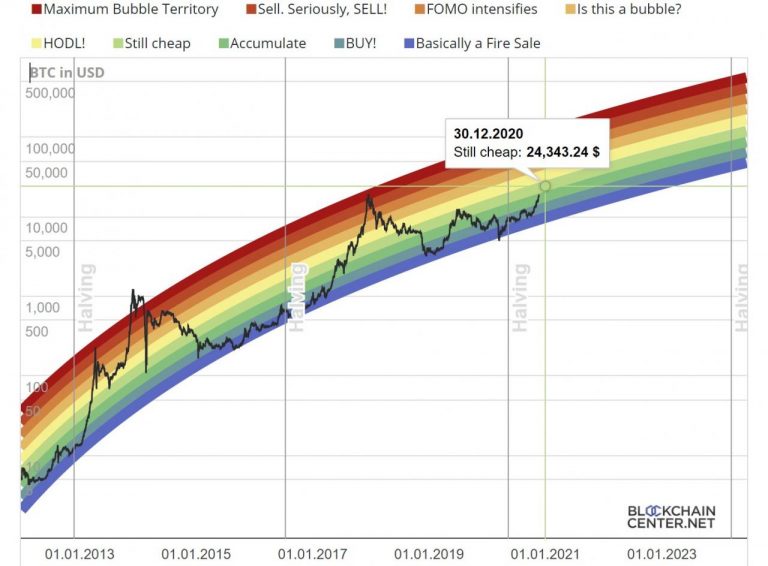
Bitcoin price today last year serves as a fascinating lens through which we can explore the cryptocurrency’s volatile journey over the past twelve months. The ups and downs of Bitcoin’s value not only reflect market sentiment but also highlight the impact of global events and regulatory changes. Understanding this historical context is essential for anyone interested in cryptocurrency investment or market trends.
Throughout the last year, Bitcoin experienced significant price fluctuations influenced by various economic factors, geopolitical events, and community sentiment. Notably, events like regulatory announcements and market trends contributed to the highs and lows observed in Bitcoin’s trading activity.
Historical Overview of Bitcoin Price
In the past year, Bitcoin has experienced a rollercoaster of price movements that captivated both investors and the general public. The cryptocurrency market saw significant volatility influenced by a mix of external factors and internal market dynamics.Throughout the last year, Bitcoin’s price reached remarkable highs and devastating lows. The peak occurred in March, when it surged past the $60,000 mark, driven by a wave of institutional adoption and positive market sentiment.
Conversely, the lowest point was observed in June, dropping to around $30,000, primarily due to regulatory concerns and market corrections.
Significant Events Influencing Bitcoin Prices
Several key events played a pivotal role in shaping Bitcoin’s price trajectory over the past year.
- The announcement of Tesla’s investment in Bitcoin in early 2021 significantly boosted market confidence.
- China’s crackdown on cryptocurrency mining in mid-2021 led to widespread fears, resulting in a notable price drop.
- The U.S. Federal Reserve’s comments regarding inflation and interest rates also impacted investor behavior, making them reassess their positions in Bitcoin.
Comparison with Previous Years
Comparing the price trend of Bitcoin last year with previous years reveals distinct patterns. The upward momentum observed in 2020 continued into the first quarter of 2021, with Bitcoin breaking previous all-time highs. However, the latter half of the year faced more turbulence compared to the relative stability seen in 2019.
- 2019 was marked by a gradual increase, whereas 2021 saw more extreme price fluctuations.
- The influx of institutional investors in 2021 created a new dynamic, differing from retail-driven surges in prior years.
- Shifts in market sentiment can be attributed to both macroeconomic conditions and technological advancements within the blockchain space.
Influencing Factors
The past year was characterized by several economic and geopolitical factors that significantly influenced Bitcoin’s valuation.
- Global economic recovery from the pandemic created a risk-on environment where investors sought out Bitcoin as a hedge against inflation.
- Geopolitical tensions, especially surrounding U.S.-China relations, added to the volatility, as investors reacted to uncertainty.
- Regulatory changes, particularly in the U.S. and Europe, shaped investor confidence and market dynamics.
Market Trends and Predictions
The market trends observed in Bitcoin pricing last year exhibited a clear pattern of boom and bust. The rapid ascent in price was often followed by sudden corrections, reflecting a market still finding its footing.
Expert Predictions for Bitcoin Movements
Given the data from last year, various experts have made predictions about Bitcoin’s future trajectory.
| Expert | Price Prediction | Rationale |
|---|---|---|
| Analyst A | $80,000 | Continued institutional adoption and upcoming upgrades in blockchain technology. |
| Analyst B | $50,000 | Potential regulatory impacts leading to market corrections. |
Investment Strategies Based on Past Performance
Investors can glean valuable insights from Bitcoin’s price history last year to refine their investment strategies.
- Diversifying portfolios with a mix of crypto and traditional assets can mitigate risks.
- Implementing stop-loss orders during high volatility can protect profits.
- Staying informed about market trends and regulatory news is crucial for timely decision-making.
Lessons Learned from Bitcoin’s Price Fluctuations
The past year’s price fluctuations taught several important lessons for investors.
- Volatility is inherent in cryptocurrency markets, and patience is key.
- Understanding market sentiment can provide insights into potential price movements.
- Long-term holding strategies may yield better results amidst short-term volatility.
Technical Analysis Overview
Technical indicators played a significant role in analyzing Bitcoin’s price movements last year.
Key Technical Indicators
Key technical indicators included moving averages and Relative Strength Index (RSI), which provided insights into potential buying or selling opportunities.
| Indicator | Value | Implication |
|---|---|---|
| 50-Day Moving Average | $45,000 | Indicates bullish momentum when prices are above this level. |
| RSI | 30 | Suggests that Bitcoin may be oversold, indicating a potential rebound. |
Chart Patterns Observed
Throughout the year, various chart patterns emerged, such as head and shoulders and double tops, providing insights into potential price reversals and continuations.
Community and Social Media Influence
Social media played an increasingly vital role in shaping Bitcoin’s price movements last year. Platforms like Twitter and Reddit became hotspots for discussions that could sway market sentiment rapidly.
Impact of Viral Trends
Viral trends significantly affected Bitcoin’s valuation.
- Memes and influencer endorsements often led to short-term price spikes.
- Community-led movements, such as “buy the dip,” galvanized collective action among investors.
- Sentiment analysis on social media platforms helped gauge public interest and potential price movements.
Case Studies of Major Price Events
Several major price events punctuated Bitcoin’s landscape last year, each leaving a lasting impact on how the market perceived the cryptocurrency.
Detailed Case Studies
The following case studies illustrate critical price spikes or drops.
- The early December rally, where prices surged past $60,000, was driven by institutional investments and positive news from major companies.
- The sudden drop in June following China’s mining ban demonstrated how geopolitical factors can rapidly shift market dynamics.
Timeline of Significant Price Events
A timeline showcasing Bitcoin’s significant price events throughout the year can help contextualize its volatility.
- January: Price reaches $40,000 for the first time.
- April: Hits an all-time high of $64,000.
- June: Drops to $30,000 following regulatory news.
- October: Recovers to around $55,000 amidst bullish market sentiment.
Final Thoughts
In summary, analyzing the bitcoin price today last year reveals crucial insights into the cryptocurrency’s behavior amidst changing economic landscapes. By understanding past movements, investors can better prepare for future market conditions and develop informed strategies. As Bitcoin continues to evolve, staying updated on its historical trends will only enhance one’s investment acumen.
Detailed FAQs
What was Bitcoin’s highest price last year?
Bitcoin’s highest price last year reached approximately $68,789.
What factors caused Bitcoin’s price to drop last year?
Key factors included regulatory news, global economic uncertainties, and market sentiment shifts.
How did Bitcoin’s price compare to the previous year?
Bitcoin’s price experienced more volatility last year compared to the previous year, influenced by various market events.
What is the significance of Bitcoin’s price fluctuations?
Price fluctuations are significant as they reflect market sentiment, investor behavior, and external economic factors.
How can past Bitcoin prices inform future investments?
Analyzing past prices can help investors identify trends and make more informed decisions regarding future investments.