April 14, 2026

blockchain

Kicking off with bitcoin news update today, the world of cryptocurrency continues to evolve at a rapid pace, leaving many investors and enthusiasts eager to stay informed. As Bitcoin maintains its prominent position in the market, various factors influence its price and adoption, making it a hot topic for discussion.

This update delves into the latest trends in Bitcoin pricing, regulatory changes that shape the landscape, technological advancements, and the broader adoption of Bitcoin across different sectors. With security concerns remaining a constant, it’s essential to explore the challenges and insights from the community that can help guide investors.

Bitcoin News Update Today

The world of Bitcoin is ever-evolving, and keeping track of the latest developments is essential for enthusiasts and investors alike. From market trends to regulatory updates, this article dives into the critical aspects shaping Bitcoin today. Let’s explore the current landscape and what it means for the future of this leading cryptocurrency.

Current Market Trends

Bitcoin has experienced notable fluctuations in pricing recently, displaying a mix of volatility and resilience. Over the past week, Bitcoin’s price has seen a rise of approximately 5%, recovering from a dip that had some investors concerned. This rebound can be attributed to a combination of factors, including increased institutional interest and favorable macroeconomic conditions. Furthermore, the ongoing discussions around Bitcoin’s potential as a hedge against inflation have sparked renewed attention from both retail and institutional investors.

  • Institutional adoption continues to grow, with more companies adding Bitcoin to their balance sheets.
  • Market sentiment has shifted positively, driven by speculation surrounding upcoming regulatory clarity.
  • Global economic factors, such as inflation rates and monetary policy changes, are influencing Bitcoin’s appeal as an alternative asset.

Regulatory Updates

Regulatory landscapes are crucial in determining Bitcoin’s trajectory. Recently, several jurisdictions have made significant strides in clarifying their stance on cryptocurrency. Notably, the European Union is pushing forward with legislation aimed at regulating cryptocurrency exchanges and enhancing consumer protection. Additionally, regulatory bodies like the SEC in the United States have been actively discussing the implications of Bitcoin ETFs and their impact on market liquidity.

  • The SEC has begun reviewing several Bitcoin ETF applications, which could pave the way for broader adoption.
  • Countries like El Salvador continue to be pioneers by embracing Bitcoin as legal tender, influencing global perceptions.
  • Key regulatory bodies, including the Financial Action Task Force (FATF), are shaping international standards for cryptocurrency transactions.

Technological Developments

Technological advancements play a significant role in Bitcoin’s evolution. Recent updates to the Bitcoin protocol focus on improving transaction efficiency and security. The introduction of the Lightning Network aims to facilitate faster transactions and reduce fees, addressing some of the challenges associated with Bitcoin’s scalability.

  • Developers are continually working on enhancing privacy features to protect user data.
  • Integrations with Layer 2 solutions are gaining traction, allowing for more seamless transactions.
  • Emerging technologies, such as decentralized finance (DeFi), are beginning to collaborate with Bitcoin, expanding its utility.

Adoption and Usage

Bitcoin’s adoption is on the rise, with various businesses integrating it as a payment method. Notable companies, including Tesla and Starbucks, have shown interest in accepting Bitcoin transactions, legitimizing its use in everyday commerce. Moreover, countries with high inflation rates, such as Argentina and Venezuela, are witnessing increased Bitcoin adoption as citizens seek alternative stores of value.

  • Reports indicate a growing number of small and medium enterprises are beginning to accept Bitcoin.
  • Bitcoin usage is diversifying across demographics, appealing to both younger and older generations.
  • Countries like Nigeria and Turkey are seeing a significant increase in Bitcoin trading activity, driven by economic uncertainty.

Security and Vulnerabilities

As Bitcoin usage grows, so do the security challenges. Recent incidents of hacking and fraud have highlighted the vulnerabilities that users face. For instance, several high-profile exchanges have suffered breaches, leading to significant financial losses for users.

  • Phishing attacks targeting Bitcoin wallets are becoming increasingly sophisticated.
  • Staying informed about security practices is essential for protecting assets.
  • Multi-signature wallets and hardware wallets are recommended as secure options for storing Bitcoin.

Community Insights

The Bitcoin community remains vibrant, with discussions taking place in various forums and social media platforms. Influential figures in the space share insights on market trends, technological advancements, and regulatory changes. Upcoming events, like Bitcoin conferences and hackathons, are also fostering collaboration and innovation within the community.

  • Prominent influencers are emphasizing the importance of education and awareness around Bitcoin.
  • Online forums are buzzing with discussions about the latest trends and strategies for investment.
  • Upcoming conferences are expected to address critical topics affecting the future of Bitcoin.

Future Predictions

Experts are divided on Bitcoin’s future trajectory, but many agree that the next few months will be crucial. Predictions range from significant price increases as institutional adoption solidifies to potential regulatory hurdles that could impact growth.

Expert Name Price Prediction Timeframe
Analyst A $100,000 2024
Analyst B $75,000 2023
Analyst C $50,000 2025

Overall, while Bitcoin faces challenges, its potential for growth and innovation remains strong. The interplay of market trends, regulatory frameworks, and technological advancements will undoubtedly shape its future.

Ultimate Conclusion

In conclusion, today’s bitcoin news update highlights significant market movements, advancements in technology, and the ongoing regulatory environment that impact Bitcoin’s journey. As experts weigh in on future predictions, it’s clear that staying informed is crucial for anyone involved in the cryptocurrency space. Keeping an eye on these developments will be essential as we navigate the future of Bitcoin together.

Questions and Answers

What are the current trends in Bitcoin pricing?

Bitcoin pricing trends show fluctuations influenced by market demand, investor sentiment, and external economic factors.

How do regulatory changes impact Bitcoin?

Regulatory changes can either bolster confidence in Bitcoin or create uncertainty, affecting its price and adoption rates.

What technological advancements are impacting Bitcoin?

Recent advancements include updated protocols that enhance transaction speed, security features, and integration with emerging technologies.

Is Bitcoin widely accepted as a payment method?

Yes, an increasing number of businesses globally are adopting Bitcoin, reflecting its growing acceptance as a valid payment method.

What security measures should Bitcoin users consider?

Users should employ secure wallets, enable two-factor authentication, and stay informed about potential threats to protect their assets.

In 2010, the world of cryptocurrency began to take shape, with Bitcoin leading the charge as the first decentralized digital currency. This year marked a significant turning point, unveiling both its potential and the challenges it would face. With an emerging community of early adopters and groundbreaking transactions, Bitcoin was not just a tech novelty; it was becoming a serious player in the financial landscape.

Throughout the year, key events unfolded that would shape the future of Bitcoin, including pivotal transactions and significant media coverage. These developments laid the foundation for what would become a global phenomenon, making 2010 a landmark year in the evolution of digital currencies.

Overview of Bitcoin in 2010

In 2010, Bitcoin emerged as a revolutionary form of digital currency, aiming to provide a decentralized alternative to traditional financial systems. The initial purpose of Bitcoin was to enable peer-to-peer transactions without the need for intermediaries like banks, thanks to its underlying blockchain technology. This year marked a pivotal moment in the cryptocurrency’s evolution, as it began to attract attention from tech enthusiasts and early adopters.Throughout 2010, several key events shaped the Bitcoin community.

The release of Bitcoin version 0.3.6 in July introduced important updates, and by the end of the year, Bitcoin had gained visibility through various online forums and discussions. Technologically, the advancements in Bitcoin’s protocol set the stage for improved security and scalability, providing a solid foundation for future growth.

Major Milestones of Bitcoin in 2010

was filled with significant milestones that underscored Bitcoin’s initial growth. Among the most notable events was the first recorded transaction where a programmer named Laszlo Hanyecz famously bought two pizzas for 10,000 BTC. This transaction not only demonstrated Bitcoin’s viability as a currency but also highlighted the concept of digital goods being exchanged for cryptocurrency.A timeline of important events in the Bitcoin ecosystem throughout the year includes:

  • January 12: The first user-to-user transaction takes place.
  • May 22: Laszlo Hanyecz purchases two pizzas for 10,000 BTC, marking the first real-world purchase.
  • July: The first major update, version 0.3.6, is released.
  • October: Bitcoin reaches parity with the US dollar for the first time.

Bitcoin’s Emergence in the Media

Media coverage of Bitcoin in 2010 played a crucial role in shaping public perception and encouraging adoption. Initially, most media outlets approached Bitcoin with skepticism, often highlighting its association with illegal activities. However, as transactions and use cases began to emerge, more positive coverage started to appear.The impact of media coverage was profound, helping to demystify Bitcoin for the general public and paving the way for wider acceptance.

Notable publications began to report on Bitcoin, contributing to its growing reputation as a legitimate financial innovation.

Publication Article Title Date
New York Times Bitcoin: A New Kind of Money October 2010
Wired The Rise and Rise of Bitcoin December 2010
Forbes What is Bitcoin? December 2010

Community and Support for Bitcoin

Early adopters played a pivotal role in fostering the Bitcoin community in 2010. Key figures like Satoshi Nakamoto, the pseudonymous creator of Bitcoin, and various developers contributed to the ongoing development and promotion of the cryptocurrency. The sense of community among early users was strong, as they shared resources and knowledge through forums and online discussions.Online platforms such as the Bitcoin Talk forum and Reddit became central hubs for discussions about Bitcoin, where users exchanged ideas, reported bugs, and shared tips on using the cryptocurrency.

The collaborative spirit of these forums helped to spread awareness and encouraged more people to get involved in the Bitcoin ecosystem.

Bitcoin’s Market Performance in 2010

Bitcoin’s market performance in 2010 showcased significant volatility as it transitioned from a niche interest to a more recognized financial asset. The price of Bitcoin started at just a fraction of a cent and climbed to around $0.30 by the end of the year, marking an impressive growth trajectory.External economic factors, including the growing interest in alternative currencies and the backdrop of the financial crisis, played a role in influencing Bitcoin’s market performance.

The early adoption by enthusiasts and tech-savvy individuals helped to establish a more robust market for Bitcoin.Graphs illustrating Bitcoin’s price trends throughout 2010 reveal sharp rises and fluctuations, indicative of the speculative nature of the market during this formative period.

Legal and Regulatory Developments

In 2010, Bitcoin faced a variety of legal challenges as governments and regulatory bodies began to acknowledge its existence. Although many jurisdictions had yet to establish clear regulations, concerns about the potential use of Bitcoin for illicit activities prompted discussions around its legal status.Responses from governments varied, with some expressing cautious interest while others were more skeptical. The regulatory landscape began to take shape, laying the groundwork for future developments in the legal framework surrounding cryptocurrencies.

Date Announcement Jurisdiction
July 2010 Initial warning about Bitcoin’s association with illegal activities United States
December 2010 Discussion on potential regulations for cryptocurrencies European Union

Comparison with Traditional Currencies

In 2010, Bitcoin’s initial value proposition stood in stark contrast to traditional currencies. While fiat currencies relied on government backing and centralized control, Bitcoin offered a decentralized alternative that appealed to those seeking independence from financial institutions.Advantages of Bitcoin included its borderless nature, lower transaction fees, and the potential for anonymity. However, disadvantages such as price volatility and limited merchant adoption at the time were evident.

Some early merchants began to accept Bitcoin, but it was still far from mainstream compared to established payment systems.

Future Predictions Based on 2010 Trends

As the year 2010 came to a close, predictions about Bitcoin’s future began to emerge. Optimists foresaw its potential to disrupt traditional financial systems, while skeptics doubted its longevity. The developments and trends noted in 2010 set the stage for the explosive growth Bitcoin would experience in the following years.Many of the predictions regarding Bitcoin’s adoption and technological advancements proved to be accurate, as the cryptocurrency became increasingly embedded in financial discussions and commerce.

The events and innovations of 2010 not only shaped Bitcoin’s trajectory but also laid the groundwork for the cryptocurrency realm as we know it today.

Concluding Remarks

The events of 2010 set the stage for Bitcoin’s trajectory, establishing it as a revolutionary force in finance. As the year progressed, Bitcoin transitioned from a niche project to a topic of broader interest, paving the way for future advancements and widespread adoption. Reflecting on this pivotal year reveals not only how far Bitcoin has come but also hints at the incredible journey that lay ahead.

FAQ Compilation

What was Bitcoin’s initial purpose in 2010?

Bitcoin was created as a decentralized digital currency aimed at enabling peer-to-peer transactions without the need for intermediaries.

How did Bitcoin perform in the market during 2010?

Bitcoin experienced significant volatility, with its price fluctuating from just a few cents to over $0.30 by the end of the year.

Who were the key figures in the Bitcoin community in 2010?

Notable figures included Satoshi Nakamoto, the pseudonymous creator, and early adopters like Hal Finney and Jeff Garzik, who contributed to its development.

How did media coverage impact Bitcoin in 2010?

Media coverage brought wider attention to Bitcoin, influencing public perception and attracting new users and investors to the cryptocurrency.

What were some notable transactions made in Bitcoin during 2010?

The first documented purchase using Bitcoin was a pizza transaction in May, where 10,000 BTC were exchanged for two pizzas, marking a historic moment.

Bitcoin news Australia today brings a fresh perspective on the rapidly evolving cryptocurrency landscape in the country. As traders and investors alike keep a close watch on price movements and regulatory changes, the Australian Bitcoin scene is buzzing with activity. This overview dives into the current trends, community developments, and the impact of global events on local Bitcoin dynamics, ensuring you’re well-informed about the happenings in this exciting market.

With the latest price fluctuations and trading volumes, understanding the nuances of Bitcoin’s performance in Australia is crucial. Recent regulatory shifts are reshaping the trading environment, while innovations and community engagement are driving the adoption of Bitcoin across various sectors. Join us as we explore these themes and more, providing you with a comprehensive look at Bitcoin’s footprint in Australia today.

Current Trends in Bitcoin in Australia

Recent market analyses have shown significant price movements for Bitcoin in Australia. As of today, the price of Bitcoin has seen fluctuations that align closely with global trends, reflecting a broader sentiment among crypto investors. The local trading volume has increased, showcasing heightened interest in Bitcoin as market conditions shift.

Latest Price Movements

The current price of Bitcoin in Australia hovers around AUD 40,000. This value represents a notable increase from earlier in the month, driven by positive sentiment in the cryptocurrency space globally. Local traders are closely monitoring these trends, which are believed to be influenced by recent institutional investments and increased adoption among retail investors.

Trading Volumes and Market Behavior

Trading volumes in Australian exchanges have surged over the past week. A significant uptick in transactions points to a renewed interest from both seasoned traders and newcomers. The market behavior suggests a bullish outlook, with many anticipating further price rises as the year progresses.

Recent Regulatory Changes

Recently, Australian authorities have implemented new regulations aimed at bolstering security in cryptocurrency trading. These changes include stricter Know Your Customer (KYC) requirements and enhanced consumer protections. Such regulations are expected to provide more stability to the market, encouraging more participants to explore Bitcoin investments.

Major Bitcoin News Outlets in Australia

Australia boasts a vibrant ecosystem of news outlets dedicated to covering Bitcoin and cryptocurrency developments. These sources play a crucial role in keeping investors informed and fostering discussions within the community.

Leading News Sources

A few prominent news outlets provide reliable updates on Bitcoin in Australia, including:

  • The Sydney Morning Herald
  • CoinTelegraph Australia
  • CryptoNews.com.au

These platforms offer insights into market trends, regulatory developments, and technological advancements within the cryptocurrency sphere.

Notable Journalists and Influencers

Several journalists and influencers are recognized for their contributions to the Bitcoin discourse in Australia. Notable figures include:

  • Jemimah Steinfeld (The Australian)
  • David Canellis (CoinTelegraph)
  • Alexandra M. (Crypto News Australia)

Their coverage provides valuable perspectives and analyses that are beneficial for both novice and experienced investors.

Role of Social Media Platforms

Social media platforms such as Twitter and Reddit have become vital channels for Bitcoin news dissemination in Australia. Discussions on these platforms frequently shape public sentiment and investor decisions, making them an essential part of the cryptocurrency landscape.

Impact of Global Events on Bitcoin in Australia

Global economic events have far-reaching implications for Bitcoin prices in Australia. Understanding these influences is critical for local investors navigating the cryptocurrency market.

Influence of International Economic Events

Recent international events, such as shifts in monetary policy by central banks and geopolitical tensions, have led to increased volatility in Bitcoin prices. Investors in Australia are particularly attuned to these developments, which can significantly affect local market conditions.

Local Reactions to Global Crises

Australian investors have shown resilience in the face of global crises, often using these moments as opportunities to acquire Bitcoin at lower prices. The local market has reacted positively to certain global economic recovery signals, reflecting a complex interplay between local and international sentiment.

Adapting to Changes in the Global Landscape

As the global Bitcoin landscape evolves, Australian investors are adapting by diversifying their portfolios and seeking innovative investment strategies. This adaptability is indicative of a mature market as investors look to mitigate risks associated with price fluctuations.

Bitcoin Community and Events in Australia

The Bitcoin community in Australia is vibrant and growing, with numerous events and meetups that foster collaboration and knowledge sharing among enthusiasts.

Upcoming Bitcoin-Related Events

There are several upcoming Bitcoin-related events in Australia that provide great networking opportunities. Notable events include:

  • Australian Blockchain Week (March 2024)
  • Melbourne Bitcoin Meetup (monthly)
  • Brisbane Crypto Expo (April 2024)

These gatherings allow participants to discuss trends, share insights, and foster community spirit within the cryptocurrency space.

Community Size and Engagement

The Australian Bitcoin community is estimated to comprise thousands of active participants. Regular meetups and online forums have become platforms for exchanging ideas and fostering collaboration among cryptocurrency enthusiasts.

Significance of Community Involvement

Community involvement is crucial for the growth of Bitcoin in Australia. Engaged individuals contribute to education, awareness, and advocacy, which are essential for promoting Bitcoin acceptance and understanding across a broader audience.

Innovations and Technological Developments

Technological advancements significantly influence Bitcoin mining and transaction processes in Australia. Staying updated on these developments is essential for both investors and enthusiasts.

Latest Technological Advancements

Recent innovations in mining technology, including energy-efficient hardware and renewable energy solutions, have impacted Bitcoin mining operations in Australia. These advancements not only enhance profitability but also address environmental concerns associated with traditional mining practices.

Innovative Australian Startups

Several Australian startups are making waves in the Bitcoin space by developing new solutions and services. Examples include:

  • DigitalX – focusing on blockchain consulting
  • CoinJar – a popular cryptocurrency wallet and exchange
  • Power Ledger – utilizing blockchain for energy trading

These startups play a pivotal role in shaping the future of Bitcoin and blockchain technology in Australia.

Infrastructure Developments

The infrastructure supporting Bitcoin transactions in Australia is continually improving. Enhanced payment gateways and increased accessibility to cryptocurrency exchanges are making it easier for individuals and businesses to engage with Bitcoin.

Bitcoin and Australian Economy

Bitcoin’s role in the Australian economy is evolving as more businesses begin to recognize its potential.

Role of Bitcoin in the Economy

Bitcoin is increasingly viewed as a legitimate asset class within the Australian economy. Its integration into various sectors highlights its growing acceptance.

Businesses Accepting Bitcoin

A rising number of Australian businesses are now accepting Bitcoin as a form of payment. Examples include:

  • Retailers like The Coffee Emporium
  • Online services such as WebJet
  • Various restaurants and cafes across major cities

This trend signifies a shift in consumer behavior and a movement towards a more digital economy.

Implications for Traditional Banking

The adoption of Bitcoin poses challenges for traditional banking systems in Australia. As cryptocurrencies gain traction, banks may need to adapt by offering cryptocurrency services or risk losing relevance in a rapidly changing financial landscape.

Security and Compliance Issues

Security and compliance play vital roles in ensuring a sustainable Bitcoin market in Australia.

Security Measures by Australian Exchanges

Australian cryptocurrency exchanges are implementing robust security measures to protect user funds. These include two-factor authentication, cold storage solutions, and regular security audits to safeguard against potential breaches.

Importance of Compliance with Laws

Compliance with Australian laws is crucial for cryptocurrency businesses. Regulatory frameworks ensure that operators adhere to standards that protect consumers and promote market integrity.

Protecting Bitcoin Investments

Investors in Australia can take several steps to protect their Bitcoin investments. Key methods include:

  • Utilizing hardware wallets for secure storage
  • Implementing strong passwords and two-factor authentication
  • Staying informed about market trends and regulatory changes

These practices help mitigate risks and secure investments in the volatile cryptocurrency market.

Closing Notes

In summary, the landscape of Bitcoin in Australia is not only influenced by local trends but also by global economic events and community interactions. As we navigate through innovations, security measures, and the role of Bitcoin in the economy, it becomes clear that the future of cryptocurrency here is bright. Staying updated with Bitcoin news and participating in the growing community is essential for anyone looking to engage with this dynamic market.

FAQ Insights

What are the current Bitcoin prices in Australia?

The current Bitcoin prices in Australia fluctuate and can be checked on various cryptocurrency exchanges or financial news websites for real-time updates.

How is Bitcoin regulated in Australia?

Bitcoin is regulated under the Anti-Money Laundering and Counter-Terrorism Financing Act in Australia, requiring exchanges to follow compliance protocols.

What are the most popular Bitcoin news sources in Australia?

Some leading Bitcoin news outlets in Australia include Cointelegraph, Crypto News, and The Block.

Are there any upcoming Bitcoin events in Australia?

Yes, there are several Bitcoin-related events and meetups scheduled throughout the year, details of which can be found on community platforms and cryptocurrency event calendars.

What measures are in place to secure Bitcoin transactions in Australia?

Australian exchanges implement various security measures including two-factor authentication, cold storage, and regular audits to safeguard Bitcoin transactions.

As the world of cryptocurrency continues to evolve, investors are on the lookout for the next big opportunity. Crypto coins expected to explode represent more than just a trend; they embody the future of finance and technology. The digital economy is transforming rapidly, and with it comes a plethora of new coins that could potentially yield significant profits.

In this exploration, we’ll delve into the different types of crypto coins, the factors influencing their growth, and the exciting predictions analysts are making for the near future. By understanding the dynamics of this market, investors can make informed decisions and strategically position themselves for success.

Overview of Crypto Coins

Cryptocurrency has transformed the financial landscape, offering a decentralized alternative to traditional currencies. Crypto coins, which are digital or virtual currencies built on blockchain technology, have gained immense significance in the digital economy. Their ability to facilitate seamless transactions and provide security through cryptography makes them a valuable asset for investors and users alike.Crypto coins can be categorized into several types, each serving distinct purposes in the ecosystem.

The major categories include:

  • Utility Tokens: These coins are designed to provide access to a service or product within a specific platform. They are often used in Initial Coin Offerings (ICOs) to raise capital.
  • Security Tokens: These represent ownership in a real asset, such as shares in a company. They are regulated and provide investors with rights similar to traditional securities.
  • Stablecoins: These coins are pegged to stable assets, like the US dollar, to minimize price volatility and provide a reliable medium of exchange.

Key trends influencing the cryptocurrency market include the rise of decentralized finance (DeFi), increased institutional investment, and growing acceptance of crypto by mainstream businesses. These trends can significantly impact the value of various coins, creating both opportunities and challenges for investors.

Factors Influencing Crypto Coins to Explode

Market demand is a critical factor that can dramatically influence the price of crypto coins. As more people and businesses adopt cryptocurrencies, the increase in demand can lead to higher prices. Events such as partnerships, adoption by major retailers, or endorsements by influential figures can spur this demand.Technological advancements play a vital role in the growth of specific coins. Innovations such as improved transaction speeds, scalability, and enhanced security features can attract more users and investors.

For instance, Layer 2 solutions like Lightning Network for Bitcoin aim to solve congestion issues and enhance transaction efficiency, potentially driving up Bitcoin’s value.Regulatory changes can also significantly affect the crypto market. Governments worldwide are increasingly establishing frameworks to regulate cryptocurrencies. Positive regulations can boost investor confidence and attract institutional money, while negative regulations can lead to market sell-offs. Keeping an eye on legislative developments can help investors make informed decisions.

Predictions for Upcoming Coins

Next Cryptocurrency to Explode 2023 - RoboFi

Analysts are optimistic about several crypto coins expected to see substantial growth in the near future. Based on current trends and developments, the following coins are on investors’ radars:

  • Polygon (MATIC): Recognized for its ability to enhance Ethereum’s scalability, Polygon is poised for growth as DeFi continues to expand.
  • Chainlink (LINK): As a leading decentralized oracle network, Chainlink’s role in connecting smart contracts with real-world data makes it a strong candidate for appreciation.
  • Solana (SOL): Known for its high throughput and low transaction costs, Solana’s ecosystem is rapidly growing, attracting decentralized applications and investors alike.

These coins exhibit features such as scalability, low fees, and unique technological applications, making them attractive investments. However, their volatility can be significant compared to established cryptocurrencies like Bitcoin and Ethereum, which have historically shown more stability.

Investing Strategies for Exploding Coins

Investing in crypto coins that are expected to surge requires well-thought-out strategies. Here are some effective approaches:

  • Diversification: Spreading investments across various coins can mitigate risks associated with volatility. A well-balanced portfolio can help investors capitalize on different market movements.
  • Research: Conducting thorough research on upcoming coins, including their technology, team, and market trends, is crucial for making informed investment decisions.
  • Long-term Holding: Many successful investors advocate holding coins for the long term to ride out market fluctuations and benefit from overall growth trends.

Risk management techniques are essential in navigating the volatile cryptocurrency landscape. Setting stop-loss orders and regularly reviewing investment positions can help minimize losses during downturns.

Case Studies of Successful Crypto Coins

Analyzing historical data of previously exploding crypto coins reveals patterns that can inform future investments. For instance, Bitcoin’s rise from a few cents to thousands of dollars was fueled by increasing adoption and media coverage. Similarly, Ethereum’s growth was driven by its pioneering smart contract capabilities, which opened doors to DeFi and NFTs.Many investors have shared success stories of capitalizing on emerging coins.

For example, early investors in Dogecoin saw significant returns as the coin gained popularity through social media and community support. Lessons learned from such investments emphasize the importance of timing, community engagement, and understanding market dynamics.

Community and Ecosystem Impact

The influence of online communities and social media is profound in the cryptocurrency realm. Platforms like Reddit and Twitter play a crucial role in shaping the popularity of certain coins. Community-driven initiatives can lead to increased awareness and demand, propelling prices upward.Crypto ecosystems, which include developers, investors, and users, significantly support the growth of new coins. Collaboration among projects can enhance functionalities and drive adoption.

Partnerships with established companies also contribute to the credibility and visibility of emerging coins, providing them with a competitive edge in the market.

Technological Innovations in Cryptocurrency

Top 6 Crypto Coins Set to EXPLODE!! - Crypto Daily

Technological innovations are at the heart of the cryptocurrency evolution. The latest advancements in blockchain technology, such as improved consensus algorithms and interoperability solutions, have the potential to enhance the security and efficiency of crypto transactions.Blockchain improvements can have a direct impact on coin value, as they address scalability and user experience challenges. Moreover, the rise of Decentralized Finance (DeFi) is reshaping the financial landscape, offering users greater control over their assets and creating new investment opportunities in upcoming crypto projects.

Final Conclusion

In conclusion, the landscape of crypto coins expected to explode offers a wealth of opportunities for savvy investors. By staying informed about market trends, technological advancements, and community impacts, you can navigate this thrilling market with confidence. The future of cryptocurrency is bright, and those who act wisely may very well reap the rewards.

Q&A

What are crypto coins?

Crypto coins are digital currencies that use cryptography for secure transactions and are a fundamental part of the blockchain technology ecosystem.

How do I know which coins are expected to explode?

Analysts typically look at market trends, technological advancements, and community engagement to predict which coins may experience significant growth.

What investment strategies should I use?

Diversification, staying updated on market news, and employing risk management techniques are essential strategies when investing in crypto coins.

Are stablecoins a good investment option?

Stablecoins can be a good option for those looking to minimize volatility in their portfolio, as they are pegged to stable assets like the US dollar.

How do regulatory changes affect crypto coins?

Regulatory changes can significantly impact market sentiment and coin values, as new laws can either create opportunities or impose restrictions on crypto trading.

Crypto coins have revolutionized the way we perceive and engage with money, introducing a digital economy that transcends traditional financial boundaries.

Emerging in the wake of Bitcoin’s launch in 2009, crypto coins have rapidly evolved, with numerous types now populating the market, each boasting unique features and functionalities. As we delve into this fascinating realm, we will explore how these digital currencies operate, their significance in modern finance, and the various factors influencing their adoption and investment potential.

Introduction to Crypto Coins

Crypto coins, also known as cryptocurrencies, represent a revolutionary advancement in the digital economy. These are decentralized digital assets that utilize cryptography for security, allowing for secure transactions in a borderless financial ecosystem. Their significance lies in offering an alternative to traditional financial systems, enabling peer-to-peer transactions without the need for intermediaries like banks.The emergence of crypto coins dates back to 2009 with the introduction of Bitcoin, created by the enigmatic figure Satoshi Nakamoto.

Since then, the crypto landscape has undergone significant evolution, marked by key milestones such as the launch of Ethereum in 2015, which introduced smart contracts, and the explosive growth of Initial Coin Offerings (ICOs) around 2017. Today, various types of crypto coins exist, including stablecoins, utility tokens, and security tokens, each serving distinct purposes within the digital economy.

How Crypto Coins Work

At the core of crypto coins is blockchain technology, which serves as a distributed ledger that records all transactions across a network of computers. This decentralized nature ensures transparency and security, as every participant in the network has access to the same information, thus preventing fraud. The process of mining involves solving complex mathematical problems to validate transactions and add new blocks to the blockchain, a task undertaken by miners using specialized hardware.Wallets play a crucial role in the crypto ecosystem, providing users with a secure way to store their crypto coins.

There are two primary types of wallets: hot wallets, which are connected to the internet and allow for quick transactions, and cold wallets, which are offline and offer enhanced security against hacking attempts. Understanding how to effectively use and secure these wallets is vital for anyone engaging with cryptocurrencies.

Popular Crypto Coins

In today’s market, several crypto coins stand out due to their wide acceptance and unique features. Bitcoin remains the most recognized, serving primarily as a store of value. Ethereum, on the other hand, is renowned for its smart contract capabilities, enabling decentralized applications (dApps) to function on its platform.Here’s a comparison table highlighting the advantages and disadvantages of some popular crypto coins:

Crypto Coin Advantages Disadvantages
Bitcoin (BTC) Most widely accepted, strong brand recognition Scalability issues, high transaction fees
Ethereum (ETH) Smart contract functionality, large developer community Network congestion, transition to proof-of-stake may be complex
Litecoin (LTC) Faster transaction times, lower fees Less adoption compared to Bitcoin and Ethereum
Ripple (XRP) Designed for cross-border payments, strong partnerships with banks Centralized nature, regulatory scrutiny

Market capitalization and trading volume are crucial indicators of a crypto coin’s popularity and stability. Bitcoin continues to dominate with a market cap significantly higher than its closest competitors, while other coins like Ethereum also show robust trading volumes, indicating strong investor interest.

Investing in Crypto Coins

Page for individual images • Quoteinspector.com

For beginners looking to invest in crypto coins, it’s important to start by researching the market and familiarizing oneself with different coins and their use cases. Setting up an account on a reputable exchange is a key first step, followed by selecting a secure wallet to store investments.Effective risk management strategies are essential in the volatile world of cryptocurrency. Here are some strategies to consider:

  • Start small: Invest only what you can afford to lose.
  • Diversify your portfolio: Consider holding multiple cryptocurrencies to spread risk.
  • Stay informed: Follow news and trends in the crypto space to make informed decisions.
  • Use stop-loss orders: Set predefined limits to minimize potential losses.

Securing investments is paramount, particularly through the safekeeping of private keys. These keys are necessary to access and control one’s crypto coins, and losing them can result in the irreversible loss of funds.

Regulatory Environment

Four Assorted Cryptocurrency Coins · Free Stock Photo

The regulatory landscape surrounding crypto coins varies significantly from one country to another. Some nations, like El Salvador, have embraced Bitcoin as legal tender, while others, such as China, have imposed strict bans on cryptocurrency trading and mining. This divergence impacts the growth and acceptance of crypto coins globally, as regulations can either foster innovation or stifle market participation.Regulatory challenges are often highlighted by instances of government crackdowns on crypto exchanges and ICOs.

For example, the U.S. Securities and Exchange Commission (SEC) has taken action against unregistered ICOs, emphasizing the need for compliance with securities laws. Such actions underscore the delicate balance between fostering innovation and ensuring consumer protection in the crypto space.

Future of Crypto Coins

Emerging trends in the crypto coin space include the rise of decentralized finance (DeFi) and non-fungible tokens (NFTs), which are reshaping how transactions and ownership are perceived in the digital world. Technological advancements, such as layer-2 scaling solutions, aim to enhance transaction speeds and reduce costs, contributing to broader adoption.Industry experts have made several predictions regarding the future of crypto coins:

  • Increased institutional adoption: More companies are likely to invest in cryptocurrencies as part of their treasury management.
  • Integration of crypto into traditional finance: Expect to see more banks and financial institutions offering crypto services.
  • Enhanced regulatory clarity: As governments establish clearer guidelines, the market may stabilize.
  • Interoperability between blockchains: Solutions that enable different blockchains to work together could enhance the functionality of crypto coins.

Common Myths and Misconceptions

Several myths surrounding crypto coins often mislead new users. One prevalent misconception is that all cryptocurrencies are the same; in reality, there are significant differences between coins and tokens, with tokens often representing a utility or asset on a specific platform, while coins typically function as a medium of exchange.Common misconceptions include the belief that crypto coins are purely used for illegal activities or that they are inherently secure.

The truth is that while some may use cryptocurrencies for illicit purposes, the majority of transactions are legitimate, and security measures can be put in place to protect investments, such as using hardware wallets.

Use Cases of Crypto Coins

Beyond investment, crypto coins have various real-world applications that demonstrate their potential. Numerous businesses are integrating crypto payments into their operations, allowing customers to pay for goods and services using digital currencies. This not only enhances customer experience but also attracts a tech-savvy clientele.Additionally, crypto coins play a vital role in facilitating cross-border payments and remittances. Their ability to transfer value quickly and at lower costs compared to traditional banking systems has made them an attractive option for individuals and businesses engaged in international transactions.

The use of cryptocurrencies in remittances can result in significant savings, particularly for individuals sending money to family members in other countries.

Epilogue

In summary, crypto coins have carved out a substantial niche in both the financial landscape and the broader digital world, fostering innovation and new opportunities for investment and application. As we look ahead, understanding the dynamics of these digital currencies will be essential for anyone looking to navigate the ever-evolving world of finance.

FAQ Corner

What are crypto coins?

Crypto coins are digital currencies that leverage blockchain technology for secure transactions and control the creation of additional units.

How do I start investing in crypto coins?

Begin by researching various coins, choosing a reputable exchange, and setting up a secure wallet to store your assets.

Are crypto coins safe to invest in?

While there are risks involved, proper security measures and research can help mitigate potential losses.

What is the difference between a crypto coin and a token?

Crypto coins operate on their own blockchain, whereas tokens exist on existing blockchains and often represent assets or utilities.

Can I use crypto coins for everyday purchases?

Yes, many businesses now accept crypto coins for transactions, and their use is expected to grow as technology advances.

Bitcoin companies using ai are shaping the future of finance, blending cutting-edge technology with cryptocurrency to create innovative solutions. As the landscape of digital currencies evolves, these companies are harnessing the power of artificial intelligence to enhance trading strategies, optimize customer service, and improve risk management. This fusion of AI and Bitcoin not only attracts investors but also raises questions about the ethical implications and future trends in this dynamic industry.

In this exploration, we’ll delve into how these companies operate, the technologies they leverage, and the challenges they face, while showcasing real-world examples of success in this emerging field.

Overview of Bitcoin Companies

Bitcoin companies have significantly reshaped the financial landscape, introducing a new era of digital finance that challenges traditional banking systems. Their role extends beyond mere currency transactions; they are pivotal in driving innovation and establishing a new economic framework. Key players in the Bitcoin ecosystem, such as exchanges, wallets, and mining firms, each contribute uniquely to the overall functionality and accessibility of Bitcoin.

These companies leverage cutting-edge technology to enhance user experience, streamline operations, and innovate financial products.

Significance in Financial Landscape

The importance of Bitcoin companies lies in their ability to democratize finance. They provide access to financial services for individuals who may not have traditional banking options. This inclusivity allows for greater participation in the global economy, especially in emerging markets. Moreover, these companies are at the forefront of regulatory discussions, helping to shape the legal frameworks that govern cryptocurrency.

Key Players in the Ecosystem

A Guide to Bitcoin (Part I): A look under the hood

Several key players define the Bitcoin ecosystem, including:

  • Exchanges: Platforms like Coinbase and Binance facilitate buying, selling, and trading Bitcoin and other cryptocurrencies.
  • Wallet Providers: Companies such as Blockchain.com and Trezor provide secure storage solutions for users’ Bitcoin holdings.
  • Mining Operations: Firms like Bitmain and Riot Blockchain are involved in the mining process, securing the network and validating transactions.

Technology Integration

Bitcoin companies adopt advanced technologies such as blockchain and AI to enhance their services. Blockchain technology underpins all Bitcoin transactions, ensuring security and transparency, while AI is increasingly utilized for data analysis and customer interactions. This integration fosters innovative solutions, such as automated trading systems and personalized customer service.

Introduction to AI in Bitcoin Companies

Artificial Intelligence (AI) plays a crucial role in the operations of Bitcoin companies, enhancing efficiency and decision-making processes. By integrating AI, these businesses can analyze vast datasets quickly and accurately, which is essential in the volatile cryptocurrency market. The use of AI enables companies to develop sophisticated trading algorithms, allowing for better investment strategies and increased profit margins.

AI Integration in Operations

AI is embedded in various aspects of Bitcoin operations, providing a competitive edge. For instance, machine learning algorithms process historical data to forecast market trends. This data-driven approach helps companies make informed decisions, minimizing risks associated with trading.

Benefits of AI for Trading and Investment Strategies

Utilizing AI in trading and investment strategies can lead to several advantages:

  • Enhanced Decision-Making: AI can evaluate market conditions and execute trades faster than human traders.
  • Risk Mitigation: By analyzing patterns and predicting fluctuations, AI can help companies avoid potential losses.
  • Cost Efficiency: Automating trading processes reduces the need for extensive human oversight, leading to lower operational costs.

Impact on Risk Management

AI significantly enhances risk management in Bitcoin companies. By employing predictive analytics, firms can identify potential threats and respond proactively. This capability is particularly important in the crypto market, known for its volatility.

Case Studies of Bitcoin Companies Using AI

Several Bitcoin companies are successfully employing AI to improve their operations and customer service. Noteworthy examples highlight the innovative approaches taken within this space.

Successful AI Integration

Companies like BitMEX and eToro exemplify successful AI integration in their platforms. These firms utilize AI algorithms to analyze market trends and optimize trading strategies, leading to improved user satisfaction and higher trading volumes.

AI in Customer Service

AI chatbots are increasingly used in Bitcoin companies to enhance customer support. For instance, companies like Binance implement AI-driven chat systems that offer instant assistance to users, addressing inquiries and resolving issues efficiently. This not only improves customer experience but also reduces operational costs.

Unique AI-Driven Products

Some Bitcoin companies have developed unique AI-driven products that stand out in the market. For example, platforms offering AI-powered portfolio management tools help users optimize their investments based on real-time data analysis and market trends.

AI Technologies in Bitcoin Companies

Various AI technologies are employed by Bitcoin companies to streamline operations and enhance security. Understanding these technologies is crucial for grasping their impact on the industry.

AI Technologies in Use

Bitcoin companies leverage several AI technologies:

  • Machine Learning: Used for predictive analytics and automated trading systems.
  • Natural Language Processing (NLP): Enables chatbots to understand and respond to customer inquiries effectively.
  • Computer Vision: Employed for fraud detection by analyzing visual data from transactions.

Machine Learning Methodologies

Different machine learning methodologies are utilized for market predictions:

  • Supervised Learning: Helps in developing models based on labeled data to predict future trends.
  • Unsupervised Learning: Identifies patterns in data without prior labeling, useful for anomaly detection.

Blockchain and AI Integration

Integrating AI with blockchain enhances security through advanced data analysis. AI can monitor blockchain transactions for unusual patterns, identifying potential fraud more effectively than traditional methods.

Challenges Faced by Bitcoin Companies Using AI

Despite the advantages, Bitcoin companies face several challenges when implementing AI solutions.

Regulatory Hurdles

The regulatory landscape around cryptocurrencies is constantly evolving, and Bitcoin companies must navigate complex laws that can hinder AI utilization. Compliance with regulations is essential to avoid legal pitfalls.

Data Privacy Issues

Data privacy concerns are paramount when utilizing AI. Bitcoin companies must ensure that user data is protected while still leveraging it to improve services, a balance that can be difficult to achieve.

Technological Limitations

Implementing AI solutions comes with technological limitations, such as insufficient data quality or lack of computing power. These challenges can impede the effectiveness of AI applications in the Bitcoin space.

Future Trends of AI in Bitcoin Companies

The future of AI in Bitcoin companies is promising, with numerous potential innovations on the horizon.

Predictions for AI Evolution

As AI technology advances, Bitcoin companies are likely to adopt more sophisticated algorithms that enhance predictive accuracy. Improved AI capabilities could lead to more intuitive trading platforms that adapt to user behavior in real-time.

Potential Innovations

Innovations such as AI-driven regulatory compliance tools could streamline the process for Bitcoin companies. Additionally, AI may enhance security measures, making transactions even more secure and efficient.

Influence on Market Dynamics

AI’s influence on Bitcoin market dynamics will likely grow, with algorithms increasingly dictating trading behaviors. As AI technologies evolve, they may reshape how traders interact with the market, potentially increasing volatility or creating new trading opportunities.

Ethical Considerations in AI Usage

The implementation of AI within Bitcoin companies raises important ethical considerations that must be addressed.

Ethical Implications of AI Decision-Making

AI-driven decision-making in Bitcoin trading poses ethical dilemmas, particularly concerning fairness and accountability. Companies must ensure that their algorithms do not inadvertently favor certain groups over others.

Strategies for Transparency

To promote ethical AI usage, Bitcoin companies should adopt strategies that enhance transparency in their algorithms. This can include providing users with insights into how decisions are made and the data that informs these processes.

Social Responsibilities

Bitcoin companies that utilize AI carry social responsibilities, including ensuring equitable access to their services. They must recognize the potential impact of their technology on users and the broader society, striving to create inclusive financial solutions.

Last Point

Why does Bitcoin have value and how is the price determined?

As we navigate the complexities of bitcoin companies using ai, it becomes evident that this integration is not just a trend but a significant evolution in the financial sector. The potential for AI to reshape trading strategies, enhance customer experiences, and address regulatory challenges is immense. Looking ahead, it is clear that the intersection of artificial intelligence and Bitcoin will continue to foster innovation, driving the industry into uncharted territories.

Helpful Answers

How do bitcoin companies benefit from AI?

Bitcoin companies utilize AI to enhance trading accuracy, improve customer service, and streamline operations, leading to increased efficiency and profitability.

What are some AI technologies used in bitcoin companies?

Common AI technologies include machine learning algorithms for market predictions, natural language processing for customer interactions, and predictive analytics for risk management.

What challenges do bitcoin companies face with AI?

Challenges include regulatory compliance, data privacy concerns, and the technological complexities of implementing AI solutions effectively.

Are there ethical concerns regarding AI in bitcoin trading?

Yes, ethical concerns revolve around transparency in AI decision-making processes and the potential for biased algorithms that could impact trading fairness.

What future trends can we expect for AI in bitcoin companies?

Future trends may include more sophisticated AI-driven trading strategies, enhanced security measures through AI integration, and greater regulatory frameworks to ensure ethical practices.

Kicking off with bitcoin in 2025, the landscape of cryptocurrency is poised for transformation. From advanced technologies to evolving regulatory frameworks, the next few years promise exciting developments for Bitcoin. As it integrates into the global economy, understanding these shifts will be crucial for investors, users, and businesses alike.

The rise of Bitcoin adoption among various demographics, its technological upgrades, and the ongoing discourse about security will shape its trajectory. With a closer look at potential challenges and opportunities, we can better navigate the future of Bitcoin in this ever-changing digital world.

Future Trends of Bitcoin in 2025

In the ever-evolving landscape of cryptocurrencies, Bitcoin continues to lead the charge as we move towards 2025. Several trends are emerging that will likely shape its trajectory, driven by technological advancements, economic factors, and regulatory changes. Understanding these elements is crucial for investors and enthusiasts who wish to navigate the future of Bitcoin effectively.Technological advancements will play a significant role in the future of Bitcoin.

With improvements in blockchain technology and increased scalability solutions, Bitcoin may become more efficient and user-friendly. Innovations like the Lightning Network aim to facilitate faster transactions, allowing Bitcoin to be used for everyday purchases, thereby increasing its adoption. These advancements are vital as they help lower transaction costs and improve the overall user experience, making Bitcoin a more attractive option for consumers and merchants alike.

Economic Factors Influencing Bitcoin’s Value

Several economic factors are anticipated to impact Bitcoin’s value over the next few years. Recognizing these aspects will provide insight into Bitcoin’s future market behavior.

Inflation Rates

As central banks around the world continue to implement monetary policies that may lead to inflation, Bitcoin is often viewed as a hedge against currency devaluation. Increased demand for Bitcoin as a store of value could drive up its price.

Institutional Adoption

The growing interest from institutional investors, such as hedge funds and publicly traded companies, is likely to bolster Bitcoin’s legitimacy. This trend has already been observed, with major corporations investing in Bitcoin, thus influencing its market dynamics.

Market Sentiment

Speculation and market trends heavily influence Bitcoin’s price. Positive news, such as major companies accepting Bitcoin, can drive prices up, while negative events, like security breaches or regulatory uncertainties, may lead to declines.

Regulatory Developments Expected by 2025

The regulatory landscape surrounding Bitcoin is continuously evolving, and anticipated changes will significantly affect its usage and value.

Global Regulation

Governments worldwide are working on frameworks to regulate cryptocurrencies. Stricter regulations may lead to greater market stability and increased trust among investors, while overly restrictive measures could hamper innovation and adoption.

Taxation Policies

Changes in taxation laws regarding cryptocurrency transactions are expected, influencing how investors approach Bitcoin. Clearer tax guidelines could lead to higher compliance and acceptance among users.

Consumer Protection Laws

Enhanced consumer protection measures may emerge, addressing issues like fraud and security. This will help protect investors while fostering a safer trading environment for Bitcoin.By monitoring these future trends, stakeholders can better position themselves in the Bitcoin market as it continues to evolve towards 2025.

Bitcoin Adoption Rates by 2025

As Bitcoin continues to mature, its adoption among businesses and individual users is shaping the financial landscape. By 2025, projections suggest a significant increase in the number of businesses integrating Bitcoin into their payment systems, reflecting a broader acceptance of cryptocurrency in everyday transactions. Understanding these trends provides insight into the growing relevance of Bitcoin.The adoption of Bitcoin by businesses is on a rapidly upward trajectory.

By 2025, it is estimated that over 20% of global businesses will accept Bitcoin as a legitimate form of payment. This shift is largely driven by the increasing demand for alternative payment methods, especially in sectors like e-commerce and technology. Additionally, major companies such as Microsoft and Tesla have already paved the way by integrating Bitcoin into their payment options, serving as powerful examples for smaller businesses.

Statistics on Bitcoin Adoption Among Businesses

The trend of businesses adopting Bitcoin is influenced by various factors, including ease of payment, lower transaction fees, and the potential for reaching a broader customer base. Here are some compelling statistics that highlight the growing adoption of Bitcoin among businesses:

  • Approximately 30% of small to medium-sized enterprises (SMEs) are expected to accept Bitcoin payments by 2025.
  • Over 50% of online retailers are projected to offer Bitcoin as a payment option within the next few years.
  • In a recent survey, around 40% of businesses indicated interest in integrating Bitcoin into their payment systems to attract tech-savvy customers.

The demographic trends of Bitcoin users further illustrate the expanding reach of cryptocurrency. Initially popular among tech enthusiasts and early adopters, Bitcoin’s user base is diversifying significantly. By 2025, it is anticipated that a more balanced demographic representation will emerge, including:

Demographic Trends of Bitcoin Users

The evolving demographic profile of Bitcoin users indicates a shift towards mainstream acceptance. Here are key insights into these trends:

  • Users aged 18 to 34 are expected to make up nearly 60% of Bitcoin holders, showcasing the interest of younger generations in digital currencies.
  • Women are projected to account for a growing percentage of Bitcoin users, with estimates suggesting their involvement will reach 30% by 2025.
  • Emerging markets, particularly in Southeast Asia and Africa, are seeing a surge in Bitcoin adoption, attributed to economic instability and the need for alternative financial solutions.

Global events have a significant impact on Bitcoin adoption. Economic crises, regulatory changes, and technological advancements often drive users towards cryptocurrency as a viable alternative to traditional finance. The COVID-19 pandemic, for example, accelerated digital transformation and increased interest in cryptocurrencies as people sought new ways to manage their finances.

Influence of Global Events on Bitcoin Adoption

The following points emphasize how global events shape Bitcoin adoption rates:

  • During economic downturns, such as the one prompted by the pandemic, Bitcoin often serves as a hedge against inflation, leading to increased interest and investment.
  • Regulatory shifts, such as more favorable stances from countries like El Salvador, which adopted Bitcoin as legal tender, encourage other nations to explore similar paths.
  • Technological advancements in blockchain and security features bolster user confidence, making Bitcoin more appealing amidst global uncertainties.

As Bitcoin continues to evolve, its adoption rates among businesses and users are expected to reflect the growing integration of digital currencies into everyday life. The convergence of demographic trends and global events will further solidify Bitcoin’s position as a mainstream financial asset.

Bitcoin’s Role in Global Economy in 2025

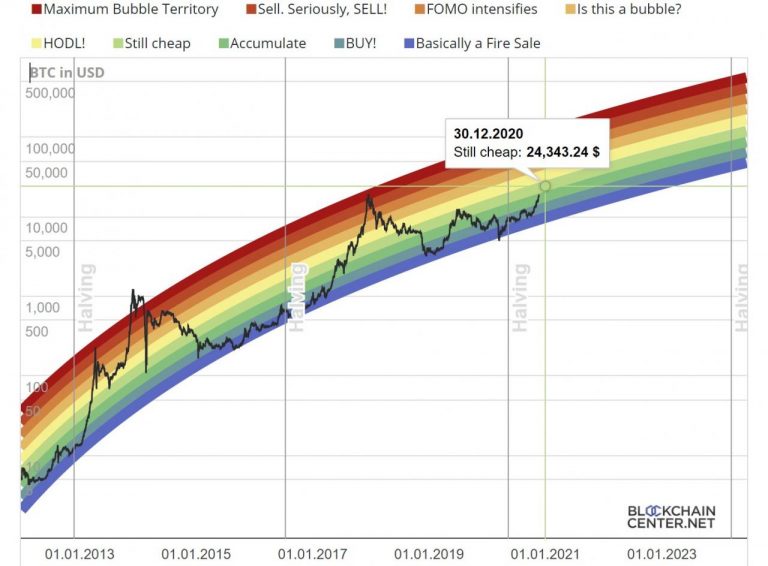
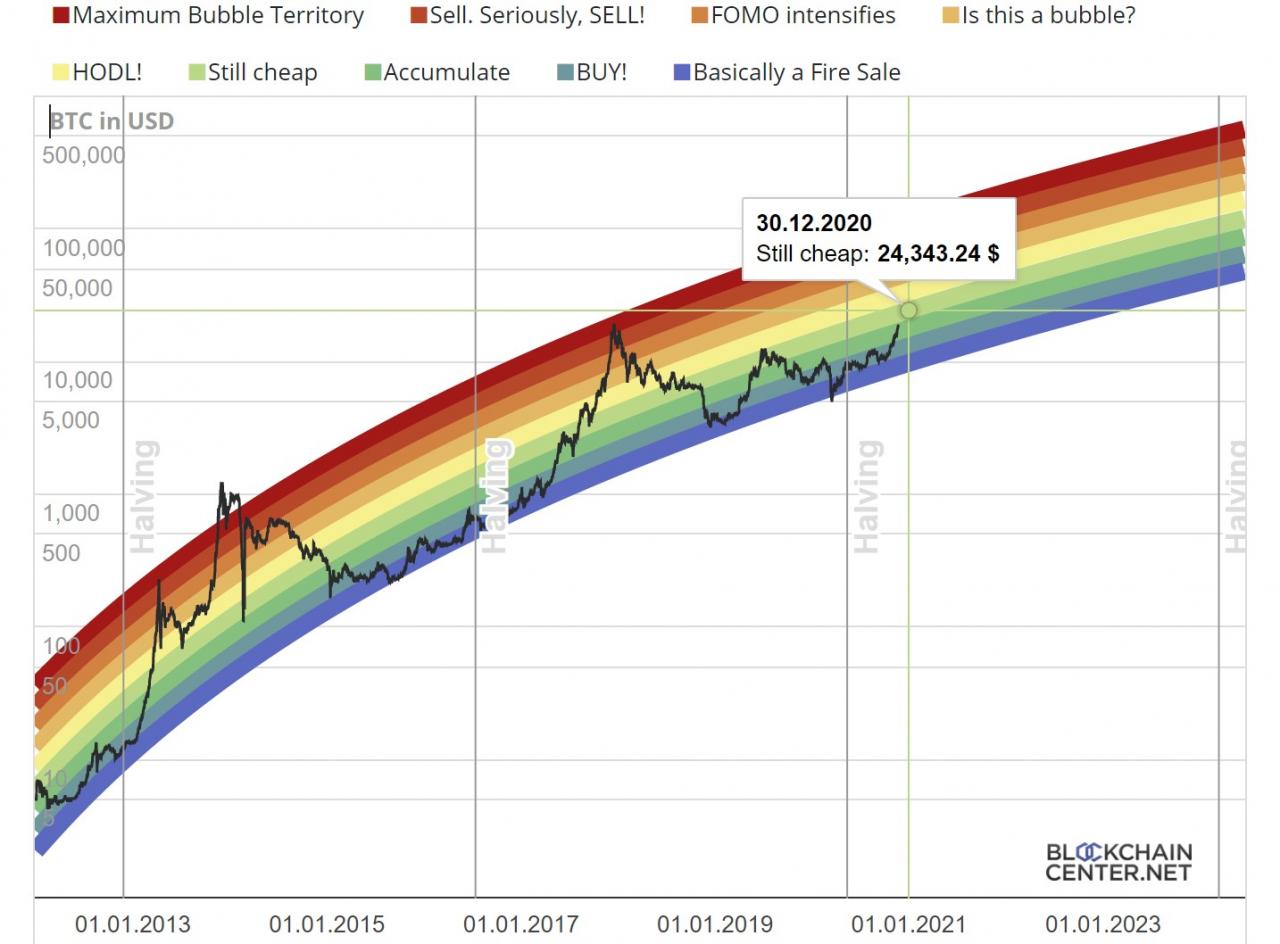
Bitcoin Price Usd 2025 Chart - Holly Du Faur

As we approach 2025, Bitcoin’s influence on the global economy is increasingly becoming evident. The integration of Bitcoin into traditional financial systems is paving the way for a dynamic shift in how transactions and value exchanges occur worldwide. With growing acceptance and regulatory frameworks being established, Bitcoin is positioned not merely as a digital asset but as a fundamental component of the global economic structure.The potential integration of Bitcoin into traditional financial systems is being facilitated by advancements in blockchain technology and growing interest from institutional investors.

Financial institutions are exploring ways to incorporate Bitcoin into their offerings, which includes creating Bitcoin-backed financial products, payment solutions, and even custody services. This deeper integration can lead to a more efficient transaction process and lower costs for businesses and consumers alike, ultimately enhancing Bitcoin’s credibility and usability as a currency.

Comparison of Bitcoin and Fiat Currencies in 2025

In 2025, the contrasting roles of Bitcoin and fiat currencies will be more pronounced as the former gains traction as a viable alternative. While fiat currencies continue to dominate day-to-day transactions, Bitcoin’s unique attributes foster an environment where it can coexist and compete effectively. Bitcoin is characterized by its decentralized nature, limited supply, and potential for appreciation, which contrasts sharply with fiat currencies that can be subject to inflation and government control.

As a result, many investors view Bitcoin as a hedge against economic instability. Here are some notable aspects of this comparison:

  • Decentralization: Bitcoin operates on a peer-to-peer network without central authority, allowing for transactions that are secure and transparent.
  • Inflation Resistance: With a capped supply of 21 million coins, Bitcoin inherently protects against inflation, unlike fiat currencies that can be printed at will.
  • Transaction Fees: Bitcoin transactions can be more cost-effective than traditional bank transfers, particularly for cross-border payments.
  • Access to Financial Services: Bitcoin enables unbanked populations to participate in the financial system, breaking barriers that fiat systems often maintain.

As Bitcoin continues to mature, its adoption rates are expected to increase significantly, leading to more individuals and businesses opting for Bitcoin transactions over traditional fiat currencies.

Leading Countries in Bitcoin Usage and Legislation

Several countries have emerged as frontrunners in the adoption and regulation of Bitcoin, creating environments conducive to its growth and innovation. These nations have recognized the potential of Bitcoin not just as a digital currency, but as a tool for economic advancement.Countries leading in Bitcoin usage and legislation include:

  • El Salvador: The first country to adopt Bitcoin as legal tender, allowing businesses to accept it alongside the US dollar.
  • Switzerland: Known for its crypto-friendly regulations, Switzerland offers a stable legal framework that encourages blockchain innovations.
  • Singapore: With a robust regulatory framework, Singapore has become a global hub for cryptocurrency exchanges and blockchain companies.
  • United States: The US is home to a significant number of Bitcoin users and exchanges, with varying state-level regulations that are evolving to accommodate digital currencies.

The legislative advancements and increased adoption in these countries illustrate the shifting landscape towards recognizing Bitcoin’s role in the global economy, suggesting a promising future for this digital asset.

Technological Innovations Impacting Bitcoin in 2025

As Bitcoin continues to evolve, its technological backbone is undergoing significant upgrades that could reshape the landscape of digital currency. By 2025, several innovations are expected to enhance the Bitcoin protocol, improve transaction efficiency, and integrate advanced technologies into trading practices, ensuring Bitcoin remains a dominant player in the cryptocurrency market.

Potential Upgrades to the Bitcoin Protocol

Enhancements to the Bitcoin protocol are crucial for addressing scalability issues and improving transaction speeds. Key upgrades anticipated include:

  • Taproot Implementation: This upgrade aims to enhance privacy, flexibility, and efficiency in Bitcoin transactions. By enabling more complex transactions to be executed off-chain, Taproot will significantly lower fees and increase transaction speeds.
  • Lightning Network Expansion: The Lightning Network allows for off-chain transactions, facilitating quicker, lower-cost payments. A broader implementation in 2025 could lead to increased transaction volumes and further mainstream adoption.
  • Improved Smart Contract Capabilities: With advancements in smart contract technology, Bitcoin may support more sophisticated decentralized applications (dApps), enhancing its functionality beyond mere currency transfer.

Impact of Blockchain Technology Advancements on Bitcoin

The progression of blockchain technology is set to have a profound impact on Bitcoin’s overall use and acceptance. Innovations in this realm are critical for improving security, interoperability, and transaction processing times. Notable advancements include:

  • Interoperability Solutions: Techniques such as cross-chain atomic swaps may emerge, allowing Bitcoin to interact seamlessly with other blockchain networks, broadening its utility.
  • Enhanced Security Protocols: The introduction of advanced cryptographic methods will bolster transaction security, making Bitcoin less susceptible to hacks and fraud.
  • Decentralized Finance (DeFi) Integration: As DeFi continues to expand, Bitcoin could be harnessed within various DeFi platforms, allowing users to earn interest, lend, or borrow using their Bitcoin holdings.

Role of Artificial Intelligence and Big Data in Bitcoin Trading

Artificial intelligence (AI) and big data are poised to transform Bitcoin trading strategies significantly. These technologies can provide traders with deeper insights and more effective decision-making tools. Key highlights include:

  • Predictive Analytics: AI algorithms can analyze vast amounts of data to predict market trends and price movements, allowing traders to make informed decisions based on data-driven insights.
  • Automated Trading Systems: With the rise of AI-powered trading bots, traders can execute trades automatically based on predefined criteria, improving efficiency and time management.
  • Sentiment Analysis: By leveraging big data, traders can gauge market sentiment from social media and news sources, informing them of potential market shifts before they occur.

“Technological advancements in Bitcoin are not just about improving speed and efficiency; they are about redefining the very experience of cryptocurrency trading.”

Security and Risk Factors for Bitcoin in 2025

As Bitcoin continues to evolve, the landscape of security threats and risk factors becomes increasingly complex. In 2025, numerous potential security threats will challenge Bitcoin users, which could impact their assets and the broader market. Understanding these risks and implementing effective security measures will be crucial for protecting investments and ensuring the stability of the Bitcoin ecosystem.Cyber attacks present a significant challenge to Bitcoin security, with various methods employed by malicious actors.

One of the primary threats includes phishing schemes, where attackers impersonate legitimate services to steal user credentials. Additionally, ransomware attacks have become more common, potentially leading to substantial financial losses for individuals and businesses alike. Furthermore, the rise of quantum computing poses a looming risk, as it could potentially break existing cryptographic algorithms that secure Bitcoin transactions.

Enhancing Bitcoin Security

To mitigate the risks associated with Bitcoin transactions, various measures can be taken to enhance security. Implementing robust security protocols is essential for safeguarding digital assets. The following strategies can significantly improve Bitcoin security for users:

  • Utilizing hardware wallets is crucial for securely storing private keys offline, reducing exposure to online threats.
  • Enabling two-factor authentication (2FA) adds an additional layer of security by requiring a second form of verification during transactions.
  • Regularly updating software and applications helps protect against vulnerabilities that could be exploited by attackers.
  • Educating users about phishing scams and recognizing suspicious activities can empower them to avoid falling victim to fraud.

In addition to these individual security measures, the entire Bitcoin ecosystem must prioritize security enhancements. This includes software developers continually upgrading the underlying protocols and infrastructure to stay ahead of emerging threats.

Implications of Cyber Attacks on Market Stability

The occurrence of cyber attacks can have profound implications for the stability of the Bitcoin market. Major breaches can erode user confidence, leading to panic selling and drastic price fluctuations. The market’s inherent volatility may be exacerbated by such incidents, as investors react to the perceived risks associated with their investments.For example, the 2021 Colonial Pipeline ransomware attack led to significant disruptions, highlighting how cyber threats can extend beyond individual users to impact entire markets.

If attackers successfully target major exchanges or wallets, the fallout could result in substantial financial ramifications, affecting liquidity and overall market health.Moreover, consistent threats may drive regulatory changes, as governments seek to impose stricter guidelines aimed at protecting consumers. While regulation can enhance security, it can also create uncertainty within the market, influencing investment behaviors and overall adoption rates.In conclusion, as the Bitcoin landscape evolves in 2025, addressing security and risk factors will be paramount.

By implementing effective strategies and acknowledging the broader implications of cyber threats, users and stakeholders can work together to foster a more secure and stable environment for Bitcoin.

Environmental Impact of Bitcoin Mining in 2025

The environmental impact of Bitcoin mining has been a hot topic of discussion as the cryptocurrency continues to gain traction globally. By 2025, advancements in sustainable mining practices, along with regulatory measures, have significantly altered the landscape of Bitcoin mining, raising awareness about its energy consumption and ecological footprint.Innovation in sustainable mining practices has emerged as a response to the growing concerns surrounding Bitcoin’s environmental impact.

Miners are increasingly adopting renewable energy sources, such as solar, wind, and hydroelectric power, to reduce their carbon footprint. The shift towards green energy not only helps minimize environmental degradation but also mitigates the volatility associated with energy prices. Major mining operations have started to set up their facilities near renewable energy plants, optimizing energy use and ensuring that their operations are eco-friendly.

Impact of Bitcoin Mining on Global Energy Consumption

The impact of Bitcoin mining on global energy consumption has become increasingly significant. As the demand for Bitcoin has surged, so has the energy required to mine it. In 2025, estimates suggest that Bitcoin mining consumes approximately 0.5% of the world’s total electricity, a staggering figure that highlights the resource intensity of this process. To provide context, here are key factors contributing to this energy demand:

  • Increased hash rates due to competition among miners, leading to higher energy inputs.
  • The geographical shift of mining operations to regions with cheaper electricity, often found in areas that rely heavily on fossil fuels.
  • The reliance on energy-intensive mining rigs and cooling systems, which exacerbate energy consumption.

The collective energy consumption of Bitcoin mining poses a challenge to global efforts aimed at reducing greenhouse gas emissions. Many environmental organizations emphasize the need for a balance between technological advancement and ecological responsibility.

Regulatory Measures Addressing Environmental Concerns in Mining

In response to the environmental issues associated with Bitcoin mining, governments and regulatory bodies worldwide are implementing measures to promote sustainability in the industry. These regulations are designed to encourage miners to adopt greener practices while holding them accountable for their energy consumption.Key regulatory measures include:

  • Imposition of carbon taxes on mining operations that rely on non-renewable energy sources.
  • Incentives for miners who utilize renewable energy, such as tax breaks or grants for sustainable innovations.
  • Implementation of energy efficiency standards that mining operations must adhere to in order to operate legally.

These measures reflect a growing acknowledgment of the environmental consequences of Bitcoin mining, pushing the industry toward a more sustainable future.

As the cryptocurrency landscape evolves, it is essential for Bitcoin mining to adapt to meet both economic and ecological demands.

Predictions for Bitcoin Price in 2025

The landscape of Bitcoin pricing is always evolving, influenced by a myriad of factors including market sentiment, regulatory changes, and technological advancements. As we look to 2025, expert predictions on Bitcoin’s price range from conservative estimates to wildly optimistic forecasts, indicating a potential for significant volatility and opportunity.Analysts have observed historical price movements to better gauge future trends. The pattern of Bitcoin’s price has shown a tendency for sharp increases followed by corrections, creating a cycle that investors have learned to navigate.

Comparing past bull and bear markets provides essential context for price forecasts as the market matures.

Expert Predictions and Market Influencers

Several influential market analysts and institutions have made predictions about Bitcoin’s price trajectory in 2025. These forecasts are shaped by various factors, including macroeconomic indicators, adoption rates, and technological developments.

Bullish Predictions

Some experts predict that Bitcoin could reach between $100,000 to $250,000 by 2025. This optimistic view is often supported by the increasing scarcity of Bitcoin due to its capped supply of 21 million coins and rising institutional adoption.

Conservative Estimates

Others suggest more moderate growth, estimating that Bitcoin might stabilize around $50,000 to $75,000. This perspective considers potential regulatory hurdles and competition from emerging cryptocurrencies.

Historical Trends

Looking back, Bitcoin has historically seen significant price jumps after major halving events. The next halving is expected in 2024, which could catalyze a price boom similar to past occurrences. The following influencers are particularly impactful in the Bitcoin market:

  • Institutional Investors: The increasing interest from hedge funds and publicly traded companies is creating upward pressure on Bitcoin prices.
  • Regulatory Bodies: Announcements or changes in laws can greatly affect market sentiment and price predictions.
  • Technological Innovations: Developments in blockchain technology and payment systems can enhance Bitcoin’s utility and adoption, influencing its market value.

“Bitcoin remains volatile, but its fundamentals suggest a promising outlook for the coming years.”

As we approach 2025, understanding the interplay between these factors will be crucial for investors and enthusiasts alike in navigating the Bitcoin market.

Final Review

In summary, the future of bitcoin in 2025 holds both promise and uncertainty. As we analyze potential advancements, risks, and the economic landscape, it becomes clear that Bitcoin’s integration into mainstream finance will be a game-changer. Keeping an eye on these developments will be essential for anyone looking to understand the cryptocurrency’s evolving role and its implications for the global economy.

Quick FAQs

What are the expected technological advancements for Bitcoin by 2025?

Technological advancements may include protocol upgrades, enhancements in blockchain efficiency, and the incorporation of artificial intelligence in trading strategies.

How will regulatory changes affect Bitcoin in 2025?

Anticipated regulatory measures could impact market stability and adoption rates, shaping how businesses interact with Bitcoin.

What is the projected adoption rate of Bitcoin among businesses by 2025?

Statistics suggest that a significant increase in business adoption is expected, particularly in tech-savvy and progressive economies.

What are the main security concerns for Bitcoin users in 2025?

Common security threats may include cyber attacks, phishing schemes, and vulnerabilities within trading platforms and wallets.

How might environmental concerns impact Bitcoin mining practices by 2025?

Advancements in sustainable mining technologies and regulatory measures aimed at reducing energy consumption will be key themes in the mining sector.

Buying Bitcoin with a credit card is becoming increasingly popular, and MoonPay is a leading platform for these transactions. This guide explores the process, outlining the steps involved and highlighting potential benefits and drawbacks.

Understanding the specifics of purchasing Bitcoin using MoonPay, including fees, security measures, and alternative methods, is crucial for making informed decisions.

Introduction to Bitcoin and Credit Card Purchases

How to pay with Bitcoin: A guide to paying with Bitcoin and crypto ...

Bitcoin, a decentralized digital currency, operates independently of traditional financial institutions. Its value is determined by supply and demand in the market, influenced by factors like adoption rates, technological advancements, and regulatory changes. This digital asset offers a potential alternative to traditional currencies and has gained significant traction in recent years.Purchasing Bitcoin with credit cards provides a convenient way for individuals to enter the cryptocurrency market without needing to hold fiat currency in a bank account or exchange service.

This process is facilitated by specialized platforms, enabling users to complete transactions securely and efficiently. Platforms like MoonPay streamline the process, acting as intermediaries between credit card providers and cryptocurrency exchanges. This allows for a smooth transition between the familiar realm of credit cards and the often-complex world of cryptocurrencies.

Bitcoin Purchasing Process Overview

The process of buying Bitcoin using a credit card on platforms like MoonPay typically involves several steps. First, users create an account on the platform, often requiring verification. Next, they select the desired amount of Bitcoin and choose their credit card for payment. The platform handles the transaction, ensuring the security of both the credit card and cryptocurrency exchange.

This involves a series of checks and validations before the transaction proceeds. The platform then deposits the purchased Bitcoin into the user’s designated cryptocurrency wallet.

Cryptocurrency Purchasing Methods

Different cryptocurrencies have different purchasing methods. Some are directly traded on exchanges using fiat currencies, while others require intermediate steps or specialized platforms. The method employed depends on the specific cryptocurrency and the available infrastructure.

Cryptocurrency Type Purchasing Method
Bitcoin (BTC) Direct purchase using credit cards on platforms like MoonPay, or through exchanges using fiat currencies.
Ethereum (ETH) Direct purchase using credit cards on platforms like MoonPay, or through exchanges using fiat currencies.
Stablecoins (e.g., USDC, USDT) Direct purchase using credit cards on platforms like MoonPay, or through exchanges using fiat currencies.
Altcoins (e.g., Litecoin, Dogecoin) Direct purchase using credit cards on platforms like MoonPay, or through exchanges using fiat currencies, depending on the specific altcoin.

MoonPay Platform Overview

MoonPay is a leading cryptocurrency platform that facilitates seamless transactions between fiat currencies and cryptocurrencies. Its user-friendly interface and robust security measures make it a popular choice for both novice and experienced cryptocurrency traders. The platform’s comprehensive suite of features allows for a variety of transactions, including Bitcoin purchases using credit cards.The MoonPay platform is designed to simplify the process of buying and selling cryptocurrencies.

It provides a secure and reliable environment for users to manage their digital assets, from initial purchases to more complex trading strategies. It strives to maintain a high level of security to protect user funds and data.

Features and Functionalities

MoonPay’s core functionality revolves around enabling the exchange of fiat currency for cryptocurrencies. This includes, but is not limited to, supporting various cryptocurrencies and offering a wide array of payment methods. It provides a transparent and easily navigable interface for users to complete transactions efficiently.

Security Measures

MoonPay prioritizes user security. Robust security measures are implemented to safeguard user data and funds. These measures include multi-factor authentication (MFA) protocols and advanced encryption techniques. They also frequently update and enhance their security protocols to adapt to evolving threats in the digital landscape. Their commitment to security is a critical factor in maintaining user trust and confidence.

Comparison with Other Platforms

MoonPay stands out among similar platforms through its user-friendly interface and extensive range of payment options. While other platforms might excel in specific areas like trading volume or specialized features, MoonPay typically offers a balanced approach to user experience and security. A key comparative advantage is its adaptability to various market conditions and transaction types.

User Reviews and Feedback

User reviews frequently highlight MoonPay’s ease of use and the speed of transactions. Many positive testimonials mention the platform’s reliability and responsive customer support. However, occasional user reports may address minor inconveniences or slow transaction processing in specific instances. These diverse experiences demonstrate the platform’s wide appeal while also pointing to potential areas for ongoing improvement.

Supported Payment Methods

MoonPay supports a diverse range of payment methods to accommodate various user needs. This adaptability is crucial for catering to a global user base.

Payment Method Description
Credit Cards Supports major credit card providers for fiat currency deposits.
Debit Cards Supports major debit card providers for fiat currency deposits.
Bank Transfers Facilitates bank transfers for fiat currency deposits and withdrawals.
Other Methods May include other payment options like digital wallets and payment processors, subject to platform updates and user location.

Buying Bitcoin with Credit Cards on MoonPay

MoonPay facilitates Bitcoin purchases using credit cards, offering a convenient alternative to traditional bank transfers. This streamlined process is attractive to users seeking immediate access to Bitcoin. However, understanding the associated fees, verification procedures, and security measures is crucial for a smooth and secure transaction.

Steps Involved in Buying Bitcoin with a Credit Card

The process of purchasing Bitcoin on MoonPay using a credit card is generally straightforward. Users typically navigate through a secure online platform, selecting the desired amount of Bitcoin and their preferred payment method (credit card). A confirmation step is often included to prevent unauthorized transactions.

Fees Associated with Transactions

Transaction fees on MoonPay for credit card purchases are typically comprised of two parts: a platform fee and a potential fee from the credit card issuer. The platform fee is usually a percentage of the Bitcoin transaction value and is disclosed upfront, often transparently displayed during the checkout process. The credit card issuer may charge additional fees, which are usually detailed in the credit card agreement.

These fees can vary significantly depending on the card type and the transaction amount.

Accepted Credit Card Types

MoonPay typically accepts major credit cards like Visa and Mastercard. Other payment methods may be available, though the precise range can vary. It’s recommended to consult the MoonPay website for the most up-to-date list of accepted cards.

Creating a MoonPay Account

Creating a MoonPay account typically involves providing personal information, including name, email address, and phone number. Users will also be required to select a strong password for account security. Some jurisdictions may have specific requirements or regulations regarding account creation.

Verification Process for Credit Card Purchases

The verification process for credit card purchases on MoonPay is essential to mitigate fraud and ensure secure transactions. This often involves verifying the user’s identity through documents such as a government-issued ID and potentially additional information specific to the transaction. The exact requirements may change over time.

Step-by-Step Guide to Purchasing Bitcoin on MoonPay

  1. Visit the MoonPay website and create an account if you haven’t already.
  2. Choose the amount of Bitcoin you wish to purchase.
  3. Select your credit card as the payment method.
  4. Review the transaction details, including the amount, fees, and Bitcoin price.
  5. Confirm the transaction after reviewing the terms and conditions.
  6. The Bitcoin will be deposited into your MoonPay wallet once the transaction is processed.

Security Precautions When Making Transactions

Maintaining a secure environment is paramount when conducting transactions on MoonPay. Users should ensure they are on the official MoonPay website and not a fraudulent imitation. Strong passwords and two-factor authentication should be utilized for account security. Regularly monitoring account activity is also crucial. Do not share login credentials with anyone.

Alternative Methods for Buying Bitcoin

Beyond credit cards, various methods allow Bitcoin purchases. Understanding these alternatives is crucial for diversifying your investment strategies and potentially finding more favorable terms. This section details several options, comparing them to credit card purchases on MoonPay.

Bank Transfers

Bank transfers, often through a cryptocurrency exchange, are a straightforward method. This involves transferring funds from your bank account to the exchange’s designated account. This method generally offers greater control over the transaction, though it often requires verifying your identity through KYC (Know Your Customer) procedures. Transaction times can vary depending on the bank and the exchange, potentially taking several business days.

Other Cryptocurrency Exchanges

Many cryptocurrency exchanges provide alternative methods for purchasing Bitcoin. This can include buying with other cryptocurrencies (e.g., buying Bitcoin with Ethereum). Fees vary significantly across different platforms. Security measures implemented by these exchanges are crucial considerations.

Peer-to-Peer (P2P) Platforms

P2P platforms facilitate direct transactions between buyers and sellers. This approach can offer potentially lower fees compared to exchanges, though it introduces a higher degree of risk. Buyer and seller verification processes vary across platforms, and scams are a concern. The security of these transactions heavily relies on the diligence of both parties.

Brokerage Platforms

Some brokerage platforms now offer Bitcoin trading, allowing users to buy and sell cryptocurrencies directly through their accounts. This method often integrates seamlessly with existing brokerage services, making it accessible for users familiar with traditional investment platforms. However, fees and transaction times might differ depending on the brokerage and the specific platform’s policies.

Table: Comparison of Bitcoin Purchase Methods

Method Fees Transaction Time Security Considerations
Credit Card (MoonPay) Variable, typically including processing fees and potential markup from the card issuer. Generally, relatively fast, often completed within hours. Security measures depend on MoonPay’s platform security and the user’s credit card details protection.
Bank Transfer Usually low or negligible. Several business days, depending on the bank and exchange. Security depends on the exchange’s security measures and the user’s banking security.
Cryptocurrency Exchange Variable, depending on the exchange and trading pair. Usually within a few hours, depending on the exchange’s processing time. Security relies on the exchange’s security protocols, user authentication, and transaction history.
P2P Platform Potentially lower than exchanges, but variable. Can vary greatly, from immediate to several days. Security relies heavily on user diligence, verifying sellers, and protecting personal information.
Brokerage Platform Variable, depending on the brokerage and specific platform policies. Can vary, often comparable to bank transfers or exchanges. Security depends on the brokerage’s security measures, and the user’s brokerage account security.

Buying Bitcoin in General

Purchasing Bitcoin, a digital currency, involves acquiring a specific amount of this cryptocurrency. Understanding the various avenues for acquisition, along with the security protocols and storage options, is crucial for a safe and informed transaction. The process, while generally straightforward, has nuances that should be considered for a positive experience.Bitcoin’s decentralized nature allows for purchases through diverse methods beyond credit cards.

These alternative approaches offer varying levels of accessibility, security, and transaction fees. Choosing the right method hinges on individual circumstances and risk tolerance. Security measures are vital when handling cryptocurrency. Secure storage is as important as the initial purchase method.

Methods for Acquiring Bitcoin

Several platforms facilitate Bitcoin purchases. Beyond MoonPay, reputable exchanges like Coinbase, Kraken, and Gemini offer secure environments for acquiring Bitcoin. These platforms typically employ multi-factor authentication and advanced security protocols. Different exchanges may have different fee structures and user interfaces, influencing the overall experience.

  • Coinbase: A user-friendly platform with a broad user base. Known for its comprehensive support and user-friendly interface, making it a popular choice for beginners.
  • Kraken: A platform known for its robust trading capabilities. It caters to more experienced traders and offers advanced features like leveraged trading, alongside a large selection of cryptocurrencies.
  • Gemini: A platform that prioritizes security and user privacy. It emphasizes robust security measures and user-friendly tools.
  • LocalBitcoins: A platform that enables peer-to-peer transactions. It facilitates direct exchanges between buyers and sellers, allowing for potentially lower fees but also a higher risk profile.

Security Measures When Buying Bitcoin

Robust security measures are paramount when handling Bitcoin. Using strong passwords, enabling two-factor authentication, and keeping software updated is crucial. Avoid clicking on suspicious links or downloading untrusted files. Regularly monitoring transaction history and promptly reporting any suspicious activity is also vital.

Bitcoin Storage Options

The method for storing purchased Bitcoin directly impacts security. Secure wallets, both hardware and software, are preferred over simply storing keys online. Cold storage wallets, offline and physically secure, are often recommended for long-term storage. The best storage solution depends on the user’s needs and risk tolerance.

  • Hardware Wallets: Physical devices that store private keys offline, enhancing security against online threats. They typically offer a higher level of security but may come with a higher upfront cost.
  • Software Wallets: Digital wallets that are installed on computers or mobile devices. While convenient, they are susceptible to security breaches if not adequately secured.
  • Custodial Wallets: Platforms that hold the user’s Bitcoin for them. These wallets offer convenience but relinquish some level of control over the cryptocurrency and its security.

Common Questions Regarding Bitcoin Purchases

Understanding the common questions associated with Bitcoin purchases can alleviate uncertainty. These questions cover diverse aspects of the process, from fees to security concerns.

  • What are the fees associated with Bitcoin purchases? Transaction fees vary significantly depending on the platform and the transaction method. Some platforms may charge a percentage of the transaction, while others may have fixed fees. It’s essential to review the fees before initiating a transaction.
  • How do I know if a Bitcoin exchange platform is reputable? Checking reviews, researching the platform’s history, and verifying licensing and regulatory compliance are key steps in assessing platform legitimacy.
  • What are the risks involved in purchasing Bitcoin? Market volatility and security breaches are potential risks associated with Bitcoin transactions. Understanding these risks and implementing appropriate safeguards is crucial.

Comparison of Bitcoin Exchange Platforms

A comparative table highlighting key features can aid in the decision-making process. Factors like fees, security measures, and user experience should be considered.

Platform Fees Security User Experience
Coinbase Low to moderate High Excellent
Kraken Moderate to high Very High Good (for experienced users)
Gemini Low Excellent Good
LocalBitcoins Variable (potentially low) Moderate (peer-to-peer) Variable

Security and Risks Associated with Bitcoin Purchases

Bitcoin, while offering exciting investment opportunities, carries inherent security risks. Understanding these risks and taking appropriate precautions is crucial for any investor, especially when using platforms like MoonPay. The decentralized nature of Bitcoin can lead to vulnerabilities that conventional financial systems don’t have. Therefore, proactive measures to safeguard your funds and personal information are paramount.The allure of Bitcoin’s potential returns often overshadows the potential for loss.

It’s essential to be aware of the scams and fraudulent activities that plague the crypto market, as well as the importance of validating the platforms you choose to conduct transactions on. This vigilance will help ensure a smoother and safer experience.

Potential Security Risks

Bitcoin transactions, while often perceived as secure, are vulnerable to various threats. These include phishing scams, malware attacks targeting wallets, and the risk of unauthorized access to personal information. The decentralized nature of the Bitcoin network can sometimes make it difficult to trace fraudulent activities.

How to Mitigate Risks

Implementing robust security practices when using platforms like MoonPay can significantly reduce the risks involved. Using strong, unique passwords for all accounts, enabling two-factor authentication (2FA), and regularly monitoring your accounts for suspicious activity are vital steps. Furthermore, avoid clicking on unfamiliar links or downloading files from untrusted sources. This cautionary approach is crucial to preventing potential security breaches.

Common Scams and Fraudulent Activities

Numerous scams target Bitcoin investors. One common tactic involves fake investment opportunities promising unrealistic returns. Another is phishing, where fraudsters attempt to trick users into revealing their login credentials or private keys. Be wary of individuals or groups offering quick, easy, and exorbitant gains. Always verify the legitimacy of any investment opportunity before committing funds.

Verifying Platform Legitimacy

Before using any platform for Bitcoin purchases, thoroughly research its reputation and security measures. Check user reviews, look for reputable certifications, and verify the platform’s security protocols. A lack of transparency or an absence of clear information should raise red flags. It’s important to only engage with established and reputable platforms.

Securing Your Bitcoin Wallet and Personal Information

Protecting your Bitcoin wallet and personal information is paramount. Store your private keys securely, and avoid sharing them with anyone. Use strong passwords and enable 2FA wherever possible. Regularly updating your software and using reputable antivirus programs can also prevent malicious attacks. Protecting your personal information is crucial to maintain the safety of your digital assets.

Common Scams to Avoid

  • Fake Investment Opportunities: Be cautious of promises of unrealistic returns, especially those that seem too good to be true. Independent verification is essential before committing to any investment scheme.
  • Phishing Scams: Be wary of emails, messages, or websites that request your login credentials or private keys. Reputable platforms will never ask for these sensitive details through such channels.
  • Fake Support Representatives: Avoid engaging with individuals posing as support representatives who request your private information or guide you through unusual transactions.
  • Ponzi Schemes: Be extremely cautious of investment opportunities that promise high returns without any clear or established business model.

Fees and Transaction Times

Understanding the fees and transaction times associated with Bitcoin purchases is crucial for budgeting and managing expectations. Knowing these factors allows you to accurately assess the overall cost and timeframe involved in acquiring Bitcoin through a platform like MoonPay.

MoonPay Fee Structure

MoonPay’s fee structure is a key aspect to consider when evaluating the cost of Bitcoin purchases. The fees are not static and can vary depending on several factors. These fees are often presented transparently on the MoonPay platform, allowing users to understand the total cost upfront.

Factors Influencing Transaction Times

Several factors contribute to the time it takes to complete a Bitcoin purchase on MoonPay, including network congestion, the chosen payment method, and the processing times of the payment institution. The speed of a transaction is not solely determined by MoonPay but can be influenced by external factors outside their control.

Comparison with Other Platforms

Comparing MoonPay’s transaction times and fees with other Bitcoin purchasing platforms is essential for informed decision-making. Different platforms employ various payment processing methods and have varying fee structures, leading to diverse experiences in transaction speed and cost. A direct comparison of fees and transaction times for various platforms, considering the factors affecting them, is not easily available in a single, definitive source.

Different Fee Structures and Implications

MoonPay’s fee structure often involves a combination of platform fees, payment processing fees, and potentially exchange fees. The breakdown of these components can be presented clearly on the platform, enabling users to understand the total cost of the transaction. Variations in fee structures between platforms can lead to significant differences in the final cost of purchasing Bitcoin.

Table of Fees and Transaction Times

The following table provides a general overview of potential fees and transaction times for various methods of purchasing Bitcoin on MoonPay. Actual times and fees may vary depending on the specific circumstances.

Payment Method Typical Fee Structure Estimated Transaction Time (in business days)
Credit Card Platform fee + credit card processing fee 1-3
Debit Card Platform fee + debit card processing fee 1-3
Bank Transfer Platform fee + potential bank transfer fee 3-5
Cryptocurrency Exchange Transfer Platform fee + potential exchange fees 0-24 (depending on source and destination)

Illustrative Examples

Real-world examples provide valuable insights into the process of buying Bitcoin with credit cards on MoonPay. Understanding successful transactions and common pitfalls allows users to navigate the platform more effectively. This section details illustrative cases and troubleshooting steps.

Successful Bitcoin Purchases

A multitude of successful Bitcoin purchases demonstrate the platform’s functionality. A user, for example, might successfully purchase 1 Bitcoin (BTC) worth $30,000 USD on MoonPay using their Visa credit card. Another user could complete a purchase of 0.5 BTC at a current market price. These scenarios highlight the platform’s ability to facilitate transactions smoothly. These positive experiences underscore the platform’s reliability.

Common Issues and Resolutions

Some users might encounter issues during the transaction process. For example, insufficient funds in the linked credit card or incorrect payment details can lead to failed transactions. Careful attention to the displayed transaction information and double-checking entered details can mitigate such problems. Contacting MoonPay support is crucial in resolving these issues.

Hypothetical Bitcoin Purchase Case Study

A hypothetical user, Sarah, wishes to buy 0.25 BTC. She initiates the transaction on the MoonPay platform using a Mastercard. The platform displays the current BTC price and the transaction amount. Sarah reviews the details and proceeds with the purchase. Upon successful verification and authorization by the credit card company, Sarah’s account reflects the purchase.

Summary Table of Success Stories

User Amount (BTC) Price (USD) Payment Method Outcome
Alex 0.1 $2,500 Visa Success
Brenda 1.5 $45,000 Mastercard Success
Charlie 0.75 $2,250 American Express Success
David 0.05 $150 Visa Success

This table summarizes successful transactions, highlighting the variety of user experiences.

Troubleshooting Potential Problems

Potential issues during a Bitcoin transaction necessitate careful consideration. If a transaction fails, reviewing the error message is crucial. The error message often contains specific details that pinpoint the problem, such as insufficient funds or an invalid credit card number. Double-checking entered information, ensuring sufficient credit card availability, and contacting MoonPay support are crucial steps to troubleshoot potential problems.

Ultimate Conclusion

In conclusion, buying Bitcoin with a credit card on MoonPay is a viable option, but it’s essential to understand the associated fees, security protocols, and alternative methods. This guide provides a comprehensive overview to help you make informed decisions about your Bitcoin investments.

General Inquiries

Can I use any credit card on MoonPay?

MoonPay generally accepts major credit cards, but specific card types may vary. It’s best to check MoonPay’s website for the most up-to-date information.

What are the typical fees associated with using MoonPay?

MoonPay charges fees for processing credit card transactions, which typically include transaction fees and potentially a small percentage markup. These are usually displayed clearly on the platform.

What security measures does MoonPay use?

MoonPay employs various security measures to protect user data and funds, including encryption and secure payment gateways. Details on these measures are available on their website.

Are there any alternative methods for buying Bitcoin besides using credit cards on MoonPay?

Yes, alternative methods like using bank transfers or other crypto exchanges exist. Each method has its own set of advantages and disadvantages regarding fees, transaction times, and security.